Ever scrambled to find the perfect insurance policy only to realize it doesn’t cover winter shoots? Yeah, we’ve been there too.
Film production is unpredictable—weather delays, equipment mishaps, and last-minute rewrites are all part of the gig. But what about your film production insurance? Does it adapt with the seasons, or is it stuck on autopilot? In this article, you’ll learn how seasonal adjustments can save your production from financial chaos (and headaches).
Here’s what we’ll cover:
Table of Contents
- Key Takeaways
- Why Seasonal Adjustments Matter for Film Production Insurance
- How to Adjust Your Coverage Step-by-Step
- Best Practices for Navigating Seasonal Insurance Changes
- Real-Life Examples of Seasonal Hiccups in Film Production
- FAQs About Seasonal Adjustments and Film Production Insurance
Key Takeaways
- Seasonal adjustments ensure your film production insurance adapts to changing risks throughout the year.
- Policies must account for extreme weather, holiday scheduling conflicts, and seasonal gear usage.
- Neglecting seasonal updates could leave your production uninsured during critical moments.
- Consult with brokers regularly to tweak coverage without overpaying.
Why Seasonal Adjustments Matter for Film Production Insurance
Film productions face unique challenges depending on the time of year. A summer beach shoot has vastly different risks than a snowy mountain scene in January. Yet many filmmakers overlook one crucial detail: their insurance policies often don’t align with these seasonal shifts.
The Problem: Most standard insurance plans are static—they’re designed for predictability. But filmmaking? Not so much. Imagine filming an outdoor action sequence in December without realizing your liability policy excludes snow-related injuries. That’s when things get ugly—and expensive.

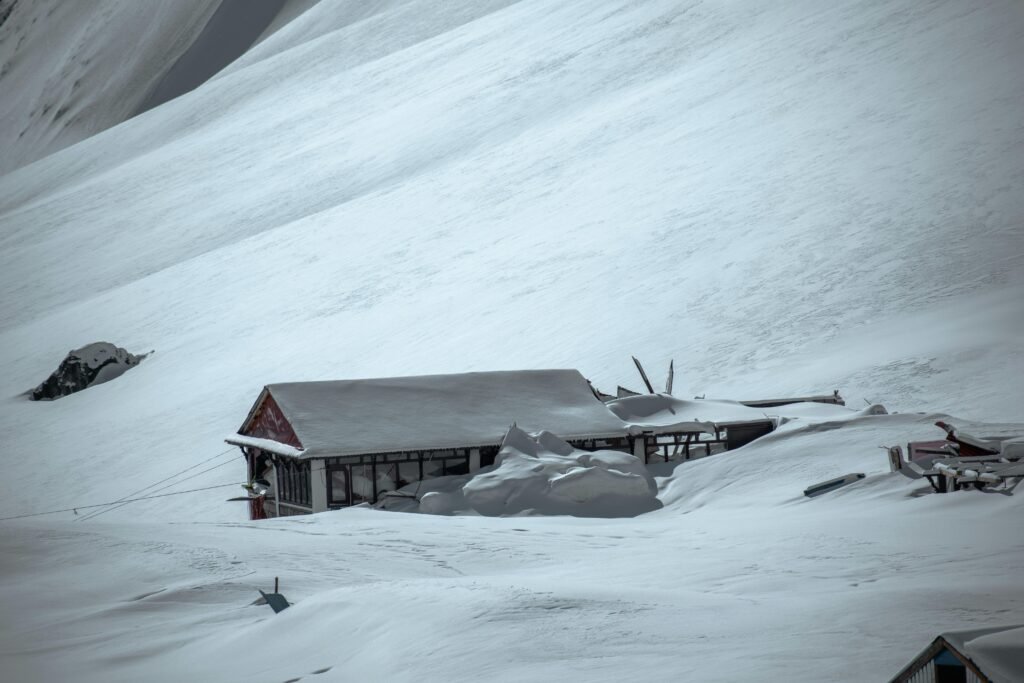
Image 1: Outdoor shoots in winter require specialized coverage for snow-related risks.
*Optimist You:* “Our base policy covers everything!”
Grumpy You:** “Sure… until someone slips on ice and sues us.”*
How to Adjust Your Coverage Step-by-Step
Adjusting your film production insurance isn’t rocket science—but it does require some planning ahead. Here’s how to stay covered through every season:
Step 1: Review Current Policies Before Each Season
Sit down with your insurer (or better yet, a seasoned broker) before each major shift. Spring showers mean flood risks; winter storms call for frostbite prevention measures. Make sure your policy reflects those realities.
Step 2: Analyze Historical Data
Look at past projects. Were certain months more accident-prone due to specific conditions? Use this info to anticipate future needs.
Step 3: Update Equipment Lists
If you’re swapping out drones for snowmobile rigs come December, update your inventory lists accordingly. This ensures damaged or lost gear gets replaced under warranty.
Step 4: Schedule Regular Check-Ins
Set calendar reminders to revisit your insurance plan quarterly. Think of it as oil changes for your car—if ignored, small issues become big problems fast.
Best Practices for Navigating Seasonal Insurance Changes
- Audit Annually: Conduct a full review of your policy once a year to catch gaps.
- Communicate Clearly: Share detailed schedules with insurers so they understand potential risks tied to location and timing.
- Budget Wisely: Don’t skimp on premiums if higher coverage offers peace of mind during busy periods.
- Avoid This Terrible Tip: Skipping consultations because “it costs too much.” *Spoiler alert:* It costs way more to fix uninsured disasters later!

Image 2: Keeping track of policies helps avoid costly mistakes during seasonal transitions.
Real-Life Examples of Seasonal Hiccups in Film Production
Case Study #1: Winter Woes
A low-budget indie crew planned a holiday-themed short film set entirely outdoors. Despite warnings about cold weather, they skipped updating their insurance. When heavy snow caused equipment damage and delayed shooting, they were left footing thousands in repair bills—not exactly merry.
Case Study #2: Summer Surprises
Another team failed to adjust their liability limits during a July heatwave shoot. An actor suffered heatstroke, leading to legal disputes that strained resources. Lesson learned? Always prep for peak-season scenarios.
FAQs About Seasonal Adjustments and Film Production Insurance
Q: Do I really need to adjust my insurance seasonally?
Absolutely! Ignoring seasonal adjustments can lead to gaps in coverage when you least expect them.
Q: How do I know which changes to make?
Work closely with your insurer or broker. They’ll help identify areas where tweaks are necessary based on your upcoming projects.
Q: Is this process expensive?
It doesn’t have to be! Often, adjusting limits or adding riders costs less than paying out-of-pocket after incidents occur.
Conclusion
Filmmaking may be chaotic, but managing your film production insurance doesn’t have to be. By implementing seasonal adjustments, you protect your team, assets, and sanity from unforeseen circumstances. So grab that coffee, sit down with your insurance broker, and prepare for whatever Mother Nature throws your way.
And hey, remember: Like a Tamagotchi, your insurance needs daily care—or else it dies dramatically.