Ever been on set when something goes wrong—like a light stand falls and damages expensive equipment or someone trips over a cable? Yeah, it’s not just awkward; it can also lead to lawsuits, fines, and massive stress. That’s why understanding liability coverage as part of your film production insurance is crucial if you want to protect your project (and sanity).
This post dives deep into everything you need to know about liability coverage in film production insurance—from what it is and why it matters to how you can make sure you’re covered without breaking the bank. We’ll cover key takeaways, actionable tips, real-world examples, and even bust some myths along the way.
Table of Contents
- The Problem with Ignoring Liability Coverage
- How to Choose the Right Film Production Insurance Plan
- Top Tips for Maximizing Your Liability Coverage Benefits
- Case Study: When Liability Coverage Saved the Day
- Common Questions About Liability Coverage in Film Production
Key Takeaways
- Liability Coverage: Protects against third-party claims like injuries, property damage, and legal fees.
- Why It Matters: Without proper coverage, one accident could tank your entire production budget.
- Action Steps: Compare policies, check exclusions, and work with an agent who specializes in entertainment risks.
- Bonus Insight: Always review contracts carefully—it’s where many filmmakers get tripped up!
What Happens When You Don’t Have Liability Coverage?
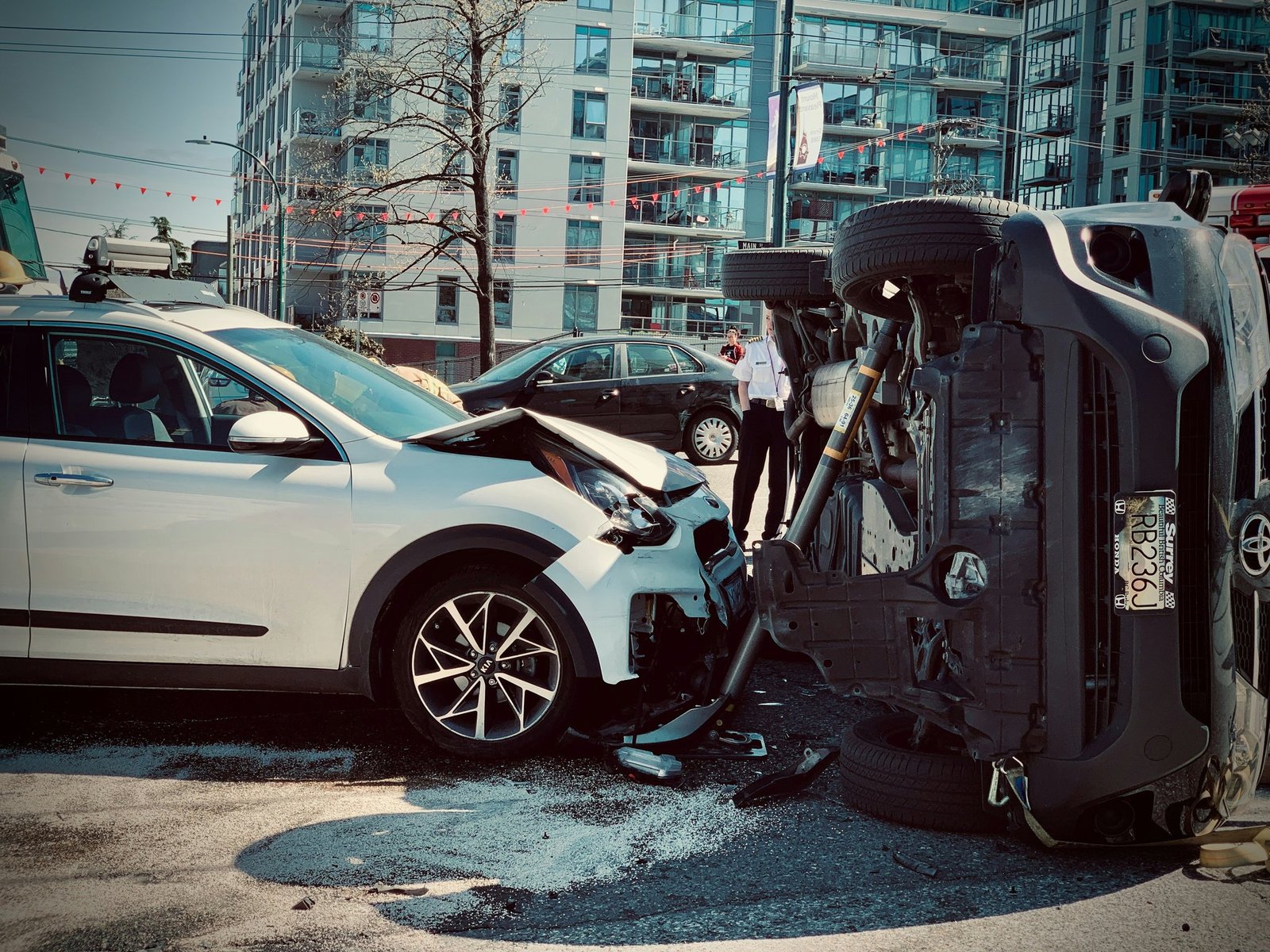
Picture this: During principal photography, a cast member slips on wet flooring and gets injured. The medical bills pile up, they sue your production company, and suddenly, you’re drowning in legal fees. Meanwhile, your camera operator accidentally knocks over a priceless antique prop—a $50,000 mistake that wasn’t budgeted for.
Grumpy Optimist Dialogue:
Optimist You: “No one expects accidents!”
Grumpy You: “Exactly. That’s why ‘hope’ isn’t a strategy.”
Without adequate liability coverage, these scenarios can cost you thousands—or worse, shut down your production entirely. Even smaller claims add up quickly, making insurance non-negotiable. Plus, most locations require proof of insurance before granting permits.
How to Secure Proper Liability Coverage for Your Film Project
- Assess Your Risks: List potential hazards unique to your shoot (stunts, outdoor locations, etc.). This helps tailor coverage to fit your needs.
- Shop Around: Contact multiple insurers specializing in entertainment. Don’t settle for generic business policies—they often exclude industry-specific risks.
- Understand Limits & Exclusions: Every policy has fine print. For example, does yours exclude pyrotechnics? What’s the cap on accidental damage payouts?
- Work With a Broker: An experienced broker simplifies finding the right plan by matching your requirements to available options.
- Review Contracts Carefully: Whether hiring crew members or renting gear, ensure all agreements align with your liability terms.
Confessional Fail Time: I once skipped reading my own rental agreement because “who reads those?” Big oops. Turns out, I missed a clause stating *I’d* be liable for damages beyond standard wear-and-tear. Lesson learned.
Tips for Getting the Most Out of Your Liability Coverage
- Bundle Policies: Combine general liability, equipment insurance, and workers’ comp into one package for savings.
- Avoid Underinsuring: Cheap premiums may save money upfront but leave you exposed later.
- Document Everything: Keep records of incidents, repairs, and communications with insurers.
- Train Your Crew: Educate everyone on safety protocols to minimize risk.
- Double-Check Location Requirements: Some venues demand higher coverage limits than others.
Niche Swearing Alert: If your producer says, “Let’s wing it,” about insurance, show them this article pronto.
Case Study: How Liability Coverage Saved Indie Filmmaker Sarah
Sarah was wrapping up her indie feature when disaster struck—a drone crashed onto a parked car during aerial shots. Total damage? $8,000. Fortunately, Sarah had invested in robust liability coverage, which paid for repairs and avoided any legal action from the car owner.
“Honestly, I thought insurance was overkill,” she admitted later. “But now, I swear by it. It kept us in business.”
FAQs About Liability Coverage in Film Production Insurance
Q: Can I use regular small-business insurance instead of specialized film policies?
Short answer: No. Regular policies rarely address unique film-related risks like special effects explosions or celebrity endorsements gone wrong.
Q: Does liability coverage include personal injury to actors?
Nope—it covers third-party claims only. Actors fall under workers’ compensation.
Q: Are weather delays covered under liability policies?
Usually not. Look into separate event cancellation insurance for such cases.
Conclusion
Liability coverage might feel like another line item eating into your already tight budget—but trust me, it’s worth every penny. From safeguarding against costly lawsuits to ensuring smooth location shooting, having the right insurance makes all the difference.
To recap, assess your risks, shop wisely, avoid cutting corners, and always read the fine print. Remember, hope isn’t a strategy—but preparation is.
“Like a Tamagotchi, your SEO needs daily care.” 🐉 Kudos to anyone still reading!