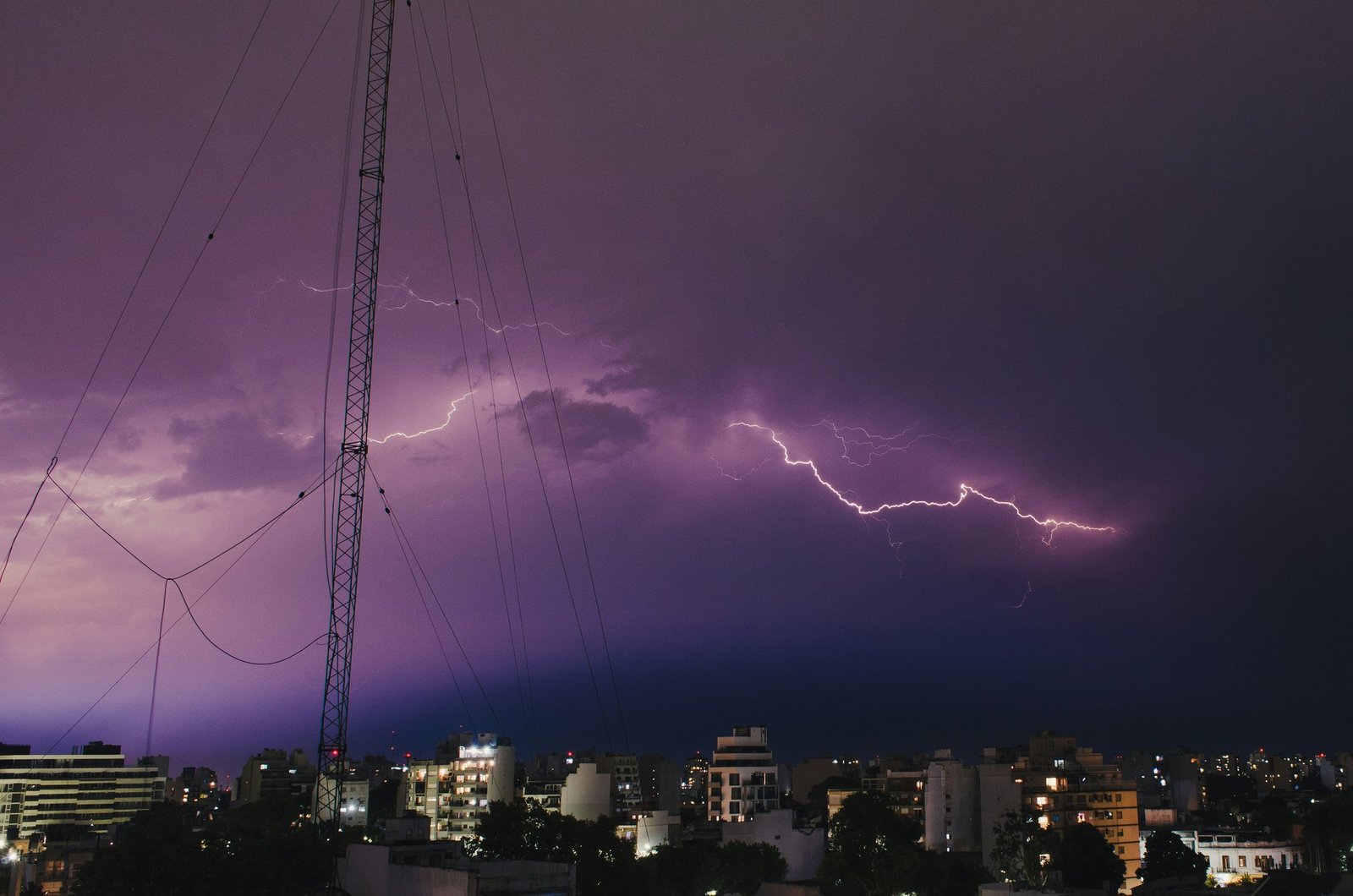
Ever stared at a cloudy sky, praying your shoot wouldn’t get rained out? Yeah, us too. Whether it’s an unexpected storm or a relentless heatwave, weather delays are the bane of every filmmaker’s existence—and they don’t just mess with schedules; they hit budgets hard. For productions relying on tight timelines and limited resources, understanding how weather delays intersect with film production insurance is crucial.
In this post, we’ll explore everything you need to know about mitigating risks caused by bad weather, from choosing the right insurance policy to navigating claims when disaster strikes. You’ll also discover actionable tips, real-world examples, and answers to FAQs—all tailored specifically for filmmakers like you. Let’s dive in!
Table of Contents
- Introduction to Weather Delays in Film Production
- The Problem with Weather Delays (and Why It Matters)
- Steps to Protect Your Production Against Weather Delays
- Pro Tips for Choosing Film Production Insurance
- Real-World Examples: How Others Handled Weather Delays
- Frequently Asked Questions About Weather Delays & Insurance
- Conclusion: Stay Prepared, Rain or Shine
Key Takeaways
- Weather delays can derail even the best-laid plans, costing time and money.
- Film production insurance often includes coverage for weather-related interruptions.
- Careful planning and proactive risk management minimize financial impacts.
- Understanding your policy is key to avoiding costly mistakes during claims.
Introduction to Weather Delays in Film Production
Imagine spending months planning a shoot only to have Mother Nature throw a wrench into your carefully crafted schedule. Rain, snow, hurricanes—you name it—can cause chaos on set. But here’s the thing: while you can’t control the weather, you *can* prepare for its unpredictability.
Optimist You: “Let’s just hope for clear skies!”
Grumpy You: “Yeah, because hoping has worked so well before…”
This guide will walk you through why addressing weather delays proactively matters more than crossing fingers.
The Problem with Weather Delays (and Why It Matters)
Why Weather Delays Are Such a Pain Point
Picture this: The cast and crew arrive on location at 6 AM, ready to nail that pivotal sunrise scene. Suddenly, dark clouds roll in, followed by torrential rain. Hours tick away as everyone waits for conditions to improve—or worse, the day gets scrubbed entirely. That’s not just frustrating—it’s expensive.
- Daily rental fees for equipment pile up.
- Rescheduling shoots disrupts the entire production timeline.
- Crew members may expect overtime pay if delays extend their hours.
Without proper planning, these costs add up fast.
Confessional Fail: The Time I Ignored Weather Warnings
I once ignored a forecast predicting scattered showers because—get this—the app said there was only a 40% chance of rain. Rookie mistake! Not only did it pour all day, but we hadn’t accounted for any contingencies in our budget. Spoiler alert: nobody was happy, least of all my wallet.
Steps to Protect Your Production Against Weather Delays
Step 1: Assess Risk Early
Start by analyzing historical weather patterns for your filming locations. Tools like AccuWeather or local meteorological data provide insights into seasonal trends. Knowing what to expect helps you plan accordingly and anticipate potential issues.
Step 2: Choose Comprehensive Coverage
Not all film production insurance policies cover weather delays equally. Be sure to ask insurers specific questions:
- What constitutes a “weather delay” under this policy?
- Are there limits to the number of days covered annually?
- Does the policy require documentation proving weather impact?
Step 3: Build Flexibility Into Schedules
Buffer days aren’t wasted—they’re lifesavers! Include extra shooting days in your schedule to accommodate unforeseen disruptions without derailing the entire project.
Pro Tips for Choosing Film Production Insurance
Tip #1: Look Beyond Cost
Cheaper isn’t always better. Some low-cost providers skimp on coverage details or have restrictive terms. Prioritize comprehensive protection over saving pennies upfront.
(Terrible Tip Alert!) Skip Reading Fine Print
Bad advice: Who needs fine print? Just sign where the arrow points and call it a day! (SPOILER ALERT: This approach usually ends badly.) Always review contracts thoroughly—better yet, consult a professional familiar with entertainment industry insurance.
Real-World Examples: How Others Handled Weather Delays
Example #1: Indie Director Saves Big with Weather Coverage
One indie director faced multiple rainouts during her debut feature film. Thanks to meticulous record-keeping and solid insurance coverage, she successfully filed claims totaling $50k—enough to keep her project alive despite setbacks.
Frequently Asked Questions About Weather Delays & Insurance
Q: What qualifies as a weather delay?
A: Typically, events such as heavy rain, high winds, extreme cold/heat, or other uncontrollable conditions preventing safe operation.
Q: Does every policy include weather delays?
A: Nope. Policies vary widely, so confirm specifics with your insurer.
Q: Can I claim losses retroactively after purchasing insurance?
A: Generally, no. Claims must align with dates and incidents outlined in active policies.
Conclusion: Stay Prepared, Rain or Shine
While dodging weather delays might seem impossible, the right preparation makes all the difference. From investing in robust film production insurance to building flexible schedules, savvy filmmakers keep their projects rolling, no matter the forecast.
Remember: Like a Tamagotchi, your peace of mind needs daily care. So stay informed, stay flexible, and maybe keep a lucky mug nearby (just in case).