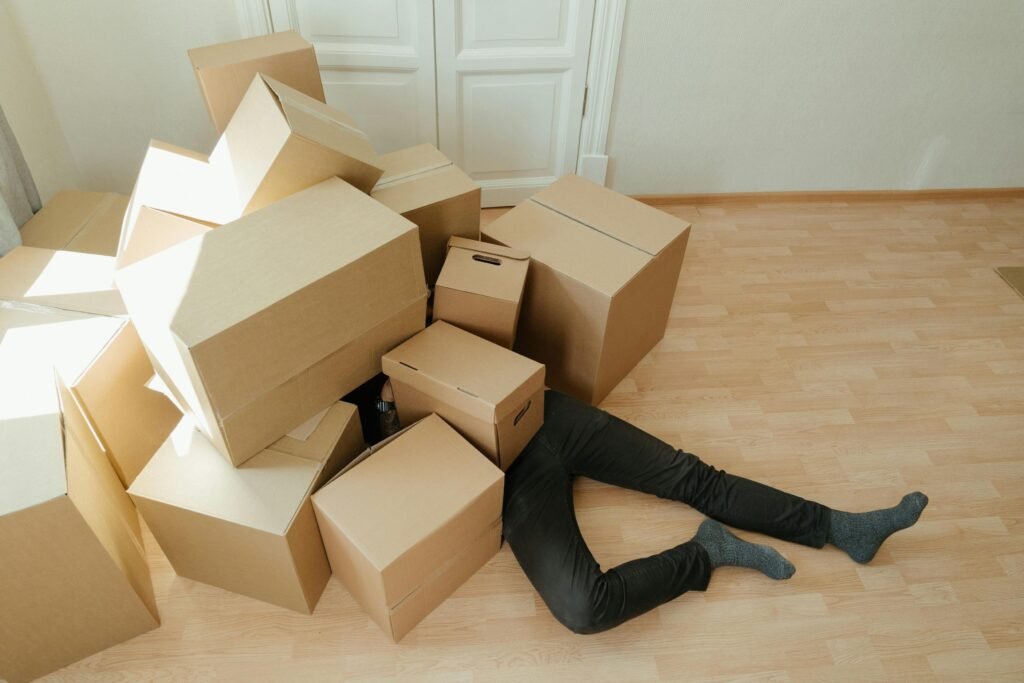
Ever filmed on location and realized mid-scene that someone’s antique vase just shattered due to a rogue light stand? That’s third party liability in action—or rather, inaction. Mishaps happen more often than you’d think in film production. Whether it’s damaging property, injuring a bystander, or even causing delays that impact neighboring businesses, these incidents can quickly spiral into costly lawsuits if you’re uninsured.
In this post, we’ll unpack everything about third party liability within the realm of film production insurance. By the end, you’ll understand why coverage is non-negotiable for filmmakers, how to select the right policy, and what tips seasoned pros swear by to avoid claims (yes, there *is* a wrong way to handle gear transport).
Table of Contents
- What Exactly Is Third Party Liability?
- Why Film Production Needs This Coverage
- How to Choose the Right Insurance Plan
- Pro Tips for Minimizing Claims
- Real World Case Studies
- FAQs About Third Party Liability Insurance
Key Takeaways
- Third party liability protects producers from financial ruin caused by accidents involving others.
- Film sets are high-risk environments where mishaps can easily occur—insurance safeguards your project.
- Selecting tailored coverage prevents underinsurance headaches down the line.
- Preventative measures like proper planning reduce claim risks.
What Exactly Is Third Party Liability?
Picture this: You’re wrapping up an intense day of shooting inside a rented historic mansion when one of your crew members accidentally knocks over a chandelier worth $20k. Who pays? If you have third party liability insurance as part of your film production plan, the insurer covers the damages instead of leaving you scrambling to cover costs yourself.
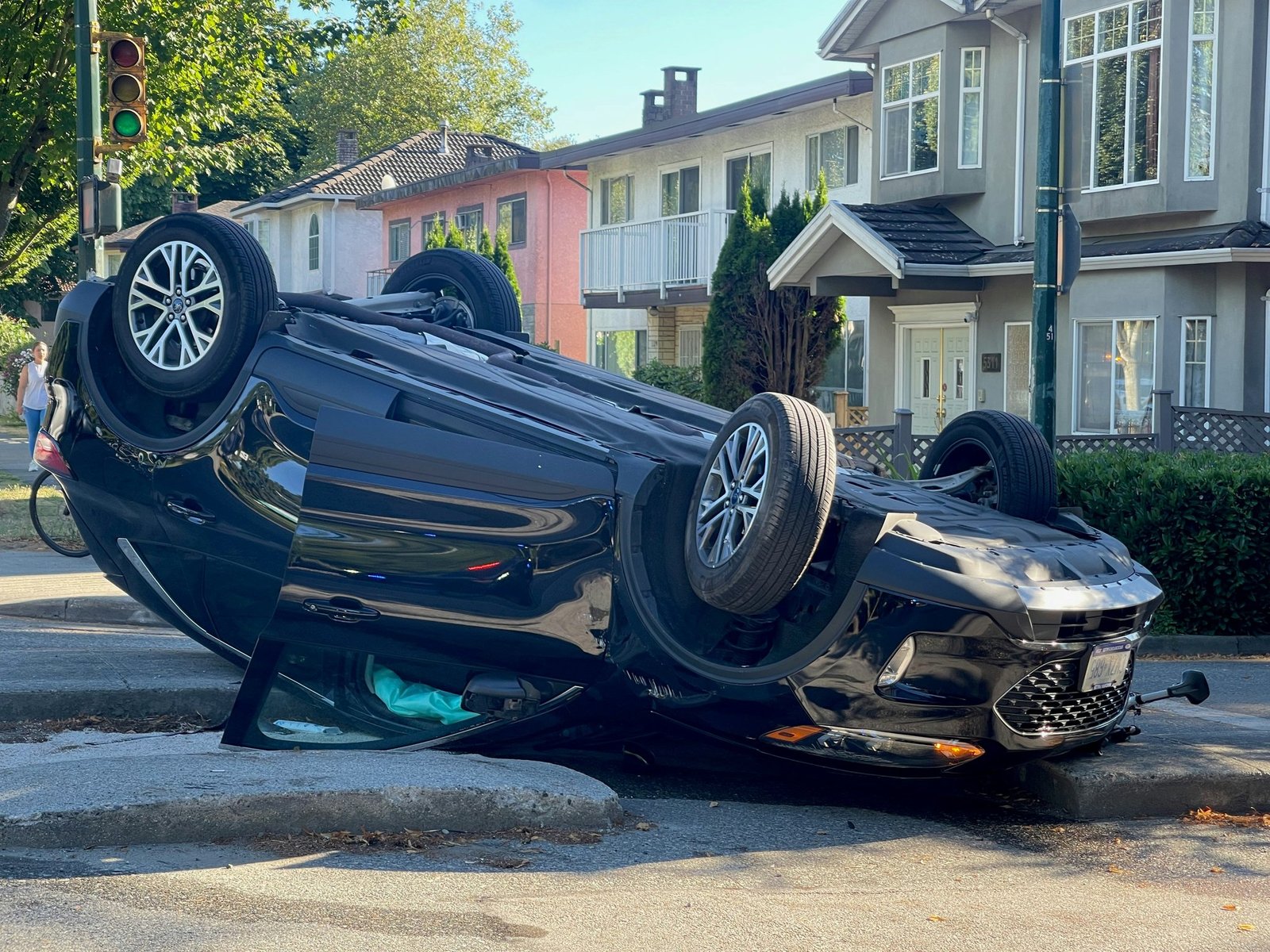
This type of insurance isn’t only limited to property damage; it also extends to bodily injuries inflicted on people not directly involved in your shoot—think passersby, clients visiting the set, or venue staff. In essence, “third party” refers to anyone outside your immediate team.
Why Film Production Needs This Coverage
The chaos of filmmaking makes third party liability a must-have:
“Optimist You:” “It won’t happen to us!”
“Grumpy You:” “Oh yeah? Tell that to the director whose drone crashed through a café window last month.”
Here are some sobering truths:
- Safety First: Filming often involves heavy equipment, vehicles, drones, pyrotechnics—you name it—all posing potential risk.
- Legal Compliance: Many locations demand proof of insurance before granting access.
- Reputation Management: Accidents without proper indemnity tarnish brand trust and relationships.
How to Choose the Right Insurance Plan
Picking the perfect third party liability package requires precision. Here’s a step-by-step guide:
Step 1: Assess Risk Levels
Are you working with minimal setups indoors or sprawling outdoor shoots filled with explosives? Be honest about what kinds of hazards might arise during filming.
Step 2: Check Policy Limits
Look at both per-incident limits AND aggregate caps. For example, if a single accident exceeds your max payout, you could still be liable for remaining amounts.
Step 3: Compare Providers
Not all insurers offer equal terms tailored specifically toward creative industries. Seek out specialists who get the nuances of film work.
Pro Tips for Minimizing Claims
- Conduct Pre-Shoot Audits: Walkthrough sites beforehand identifying fragile items or risky zones.
- Train Your Team: Everyone should know safety protocols and emergency procedures cold.
- Use Signage Wisely: Clearly mark restricted areas to avoid trespassing claims.
- (Terrible Tip Alert!)
Rely Solely On Cheaper Policies Without Reading Fine Print.
A Rant on Cheap Sketchy Plans
I cannot stress enough how important it is NOT to skimp here. I once worked with a newbie filmmaker who opted for bargain-bin coverage. When their camera rig toppled onto a neighbor’s car, they discovered their cheapo plan excluded ‘accidental’ damages altogether. Moral of the story? Pay now—or potentially pay MUCH later.
Real World Case Studies
Take Tom’s tale: During principal photography for his indie horror flick, a freak gust sent a C-stand flying straight into a storefront window across the street. Thankfully, his comprehensive plan kicked in, covering repair costs entirely while sparing him any legal headache.
FAQs About Third Party Liability Insurance
Is Third Party Liability Different From General Liability?
Yes! While general liability includes broader protections such as advertising injury, third party focuses explicitly on external parties affected during operations.
Can Freelancers Get Covered Too?
Absolutely. Individual contributors benefit immensely since they often collaborate across multiple projects requiring distinct coverage needs.
Conclusion
Remember when I talked about breaking grandma’s porcelain tea set back in grade school? Lesson learned then applies doubly today: Always ensure you’ve got backup! Third party liability insurance ensures peace of mind so you can focus solely on crafting cinematic magic.
So go ahead, secure that sweet policy but promise me one thing—don’t forget coffee breaks along the journey because let’s face it—they fuel creativity almost as much as solid storytelling 😉.
“Lights fade, credits roll,
Yet memories linger bold…
Protect them well.”
— Cinematic Haiku