Ever had to halt filming because an actor tripped over a cable? Or worse, your set got damaged and no one wanted to take responsibility? If you’ve ever worked in film production, you know how unpredictable things can get. That’s why having proper film liability cover isn’t just optional—it’s essential.
In this post, we’ll break down everything you need to know about securing the best protection for your next project, including:
- Why film liability cover matters more than you think.
- A step-by-step guide to finding coverage that fits your needs.
- Tips on avoiding common mistakes while choosing insurance policies.
- Real-life examples from filmmakers who learned the hard way.
Table of Contents
- Key Takeaways
- Why Film Liability Cover Is Non-Negotiable
- How to Choose the Right Film Liability Cover
- Best Practices for Managing Insurance Coverage
- Case Study: When Things Go Wrong Without Proper Cover
- Frequently Asked Questions About Film Liability Cover
- Conclusion: Protect Your Project Today
Key Takeaways
- Film liability cover protects against accidents, damages, and legal claims during production.
- Choosing the wrong policy can leave you exposed—know what’s covered before signing.
- Many independent filmmakers overlook insurance until it’s too late.
Why Film Liability Cover Is Non-Negotiable
Let me tell you something embarrassing. A few years back, I helped produce a low-budget short film. We were so focused on getting the perfect shot that we forgot one critical detail: insurance. Long story short—a passerby slipped near our equipment zone and sued us for medical expenses. Ouch.
That was my wake-up call. Here’s why film liability cover should be at the top of every filmmaker’s checklist:
- Risk Management: Whether it’s injuries on set or accidental property damage, risks are everywhere in film production.
- Legal Protection: Lawsuits happen, even if it feels like Hollywood drama. Liability cover helps shield you from costly court battles.
- Client Requirements: Many studios or sponsors require proof of insurance before approving collaborations. No insurance? No deal.

How to Choose the Right Film Liability Cover
Alright, here comes the fun part—but don’t worry, I’ll keep it snappy. Follow these steps to find the perfect fit:
Step 1: Assess Your Needs
“Optimist You:” *’We only need basic coverage! Simple, right?’*
“Grumpy Me:” *’Wrong! Different projects demand different levels of protection.’*
Consider factors like crew size, location type (indoor vs. outdoor), stunts, pyrotechnics, and whether animals are involved. For example, filming in a public park will have vastly different requirements than shooting indoors.
Step 2: Compare Policies
Not all policies are created equal. Some might focus on general liability, while others extend to equipment breakdown or cyber liability. Make a list of potential insurers and compare their offerings side by side.
Step 3: Read the Fine Print
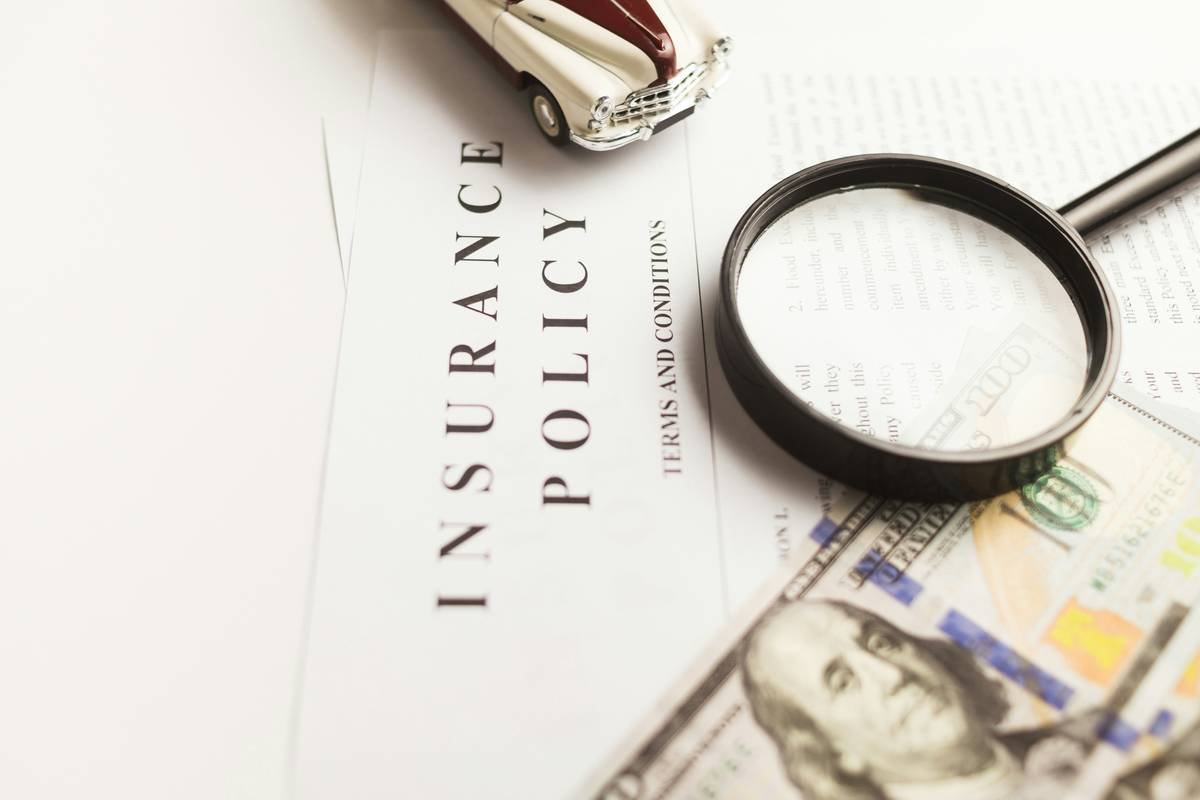
Here’s where people mess up. Don’t just skim through terms—read them thoroughly. Check exclusions, deductibles, and maximum payouts. You’d hate to discover mid-crisis that “Acts of God” aren’t covered when a storm wrecks your set.
Best Practices for Managing Insurance Coverage
To ensure smooth sailing, follow these golden rules:
- Start Early: Insurance applications take time. Apply weeks ahead of pre-production.
- Keep Records: Document everything—from permits to safety protocols.
- Avoid Cutting Corners: Opting for cheap, bare-bones plans often costs more in the long run.
Case Study: When Things Go Wrong Without Proper Cover
Remember the indie flick Burned Out? Probably not—it never made it past post-production. Their fire scene went awry, burning down part of a rented warehouse. Without insurance, the directors ended up footing a $500,000 repair bill themselves.
This disaster could’ve been avoided with comprehensive film liability cover. Lesson learned? Always prioritize protection over budget cuts.
Frequently Asked Questions About Film Liability Cover
What exactly does film liability cover include?
Most policies cover bodily injury, third-party property damage, and personal/advertising injury claims. Additional endorsements may add extras like equipment theft.
Can I use regular business insurance instead?
Briefly put, no. Standard policies rarely account for unique filmmaking hazards like special effects or location-based risks.
Is film liability cover expensive?
Depends. Rates vary based on scope, duration, and specifics of your shoot. Typically, expect anywhere from $500 to several thousand dollars per project.
Conclusion: Protect Your Project Today
Filmmaking is inherently risky, but smart planning minimizes those risks significantly. Invest in robust film liability cover, read contracts carefully, and never underestimate Murphy’s Law (“anything that can go wrong, will”).
Like a vintage camera reel spinning endlessly, your film deserves flawless backup. Stay safe out there.
And now for some old-school wisdom:
Night falls,
Scenes blur fast.
Insurance lasts.
(Yep, a haiku about film liability cover. Cheesy, but true.)