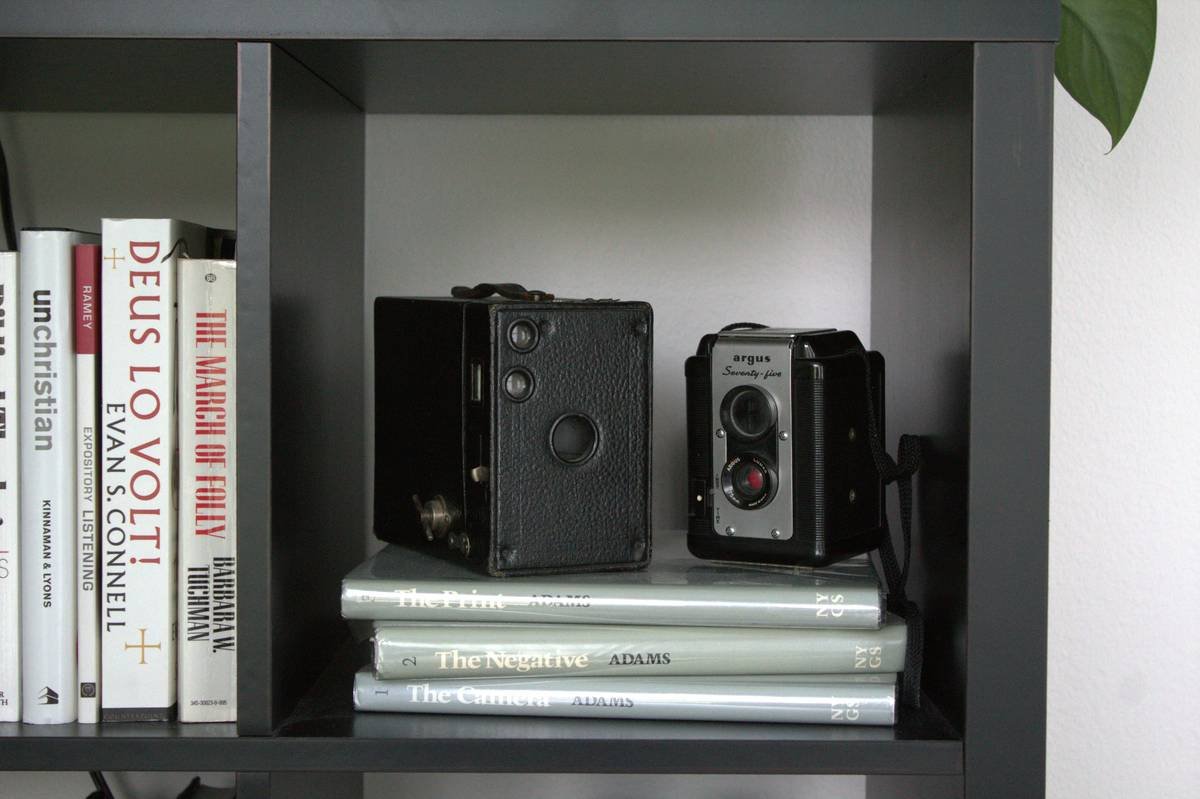
Ever had a $50,000 camera rig crash to the ground during your dream shoot? Spoiler alert: It doesn’t end well.
Filmmaking is all about storytelling, creativity, and bringing visions to life. But behind every cinematic masterpiece lies a harsh truth: accidents happen. From shattered lenses to flooded sets, unexpected disasters can derail your production faster than you can yell “cut!” That’s where film production insurance with robust damage coverage comes in. In this post, we’ll dive into why damage coverage matters, how to choose the right policy, actionable strategies for safeguarding your gear, real-world examples of costly mistakes, and—yes—even one terrible tip you should absolutely ignore. Buckle up; it’s about to get informative.
You’ll learn:
- Why damage coverage isn’t optional anymore.
- A step-by-step guide to finding the perfect policy.
- Tips from seasoned filmmakers who’ve been there (and survived).
- A cringe-worthy example of what *not* to do.
Table of Contents
- Why Damage Coverage Matters More Than You Think
- How to Pick the Right Film Production Insurance Policy
- 7 Tips for Maximizing Your Damage Coverage Benefit
- Real-Life Examples: When Damage Coverage Saved the Day
- Frequently Asked Questions About Film Production Insurance
Key Takeaways
- Damages on set are unpredictable but preventable with the right insurance.
- Film production insurance policies often include equipment breakdown, liability, and weather-related damages.
- Not having adequate damage coverage could bankrupt your entire project.
- Work closely with insurers to understand exclusions and limitations.
Why Damage Coverage Matters More Than You Think
Here’s a confession: Early in my career, I thought film production insurance was just another annoying expense. Then came the day our lighting rig collapsed mid-shoot, smashing thousands of dollars’ worth of props and nearly injuring an actor. Suddenly, those “annoying expenses” became my financial lifeline. Lesson learned? Never skimp on damage coverage.
Imagine this: A tropical storm sweeps through your outdoor location, flooding equipment boxes left unprotected overnight. Or worse—your drone operator accidentally flies into power lines, causing catastrophic damage. These scenarios aren’t rare; they’re part of the gig. Without proper insurance, these incidents could leave you drowning in debt. According to industry stats, over 60% of independent filmmakers face unexpected costs due to unforeseen damages. Scared yet? You should be.
How to Pick the Right Film Production Insurance Policy
Optimist You: “Let’s pick the cheapest option and hope nothing goes wrong.”
Grumpy Me: “Ugh, fine—but let’s at least make sure coffee’s nearby while we figure out the details.”
Buying film production insurance isn’t as straightforward as grabbing the first quote you see online. Here’s how to navigate the process:
- Assess Your Needs: Make a list of everything you need to insure—cameras, tripods, laptops, even catering supplies if necessary.
- Research Providers: Look for companies specializing in entertainment or media coverage (e.g., Front Row, Fireman’s Fund).
- Review Coverage Limits: Ensure your policy covers high-value items like RED cameras and drones.
- Check Exclusions Carefully: Some policies won’t cover wear-and-tear or natural disasters unless specified.
- Get Quotes: Compare prices across multiple providers. Pro tip: Add 10% buffer room for overlooked areas.
- Negotiate Terms: Ask your agent for bundled discounts or custom riders depending on your risk profile.
- Double-Check Policies: Confirm that the fine print matches your expectations before signing.
Sounds like trying to decode your DSLR manual after five cups of espresso, right? Exactly.
7 Tips for Maximizing Your Damage Coverage Benefit
To help you avoid rookie mistakes, here are seven best practices for making the most of your film production insurance:
- Document Everything: Take photos and videos of all equipment before and after shoots.
- Create Inventory Lists: Include serial numbers, purchase dates, and estimated values.
- Secure Storage: Invest in waterproof cases and lockable storage areas.
- Train Your Team: Educate crew members on handling expensive gear safely.
- Inspect Equipment Regularly: Identify potential issues before they become claims.
- Communicate with Insurers: Keep them updated on any changes to your shooting plans.
- Review Annually: Update your coverage based on new acquisitions or risks.
Rant Alert: Stop treating your insurance paperwork like a dusty old screenplay nobody reads! Actually review it—seriously.
Real-Life Examples: When Damage Coverage Saved the Day
Consider Indie Producer Sarah T., whose indie flick faced disaster when her lead actress tripped over cables, destroying both herself (thankfully recoverable!) and several top-of-the-line microphones ($15k gone!). Thanks to her comprehensive policy covering accidental damage, Sarah avoided bankruptcy and kept her project afloat.
Conversely, Pete D.—another filmmaker—decided against paying extra for severe weather coverage. Fast forward to Hurricane Season, and guess whose budget took a direct hit? Yep, Pete learned the hard way.

Frequently Asked Questions About Film Production Insurance
What does damage coverage typically include?
Most policies cover physical harm to equipment caused by accidents, theft, vandalism, and sometimes natural disasters. Check specific terms!
Is film production insurance tax-deductible?
Yes, premiums may qualify as business expenses under IRS guidelines. Consult your accountant for details.
Do I need separate liability insurance?
Short answer: Yes. Liability protects against third-party injuries/lawsuits, which standard damage policies might not fully address.
Conclusion
In the wild world of filmmaking, damage coverage is your unsung hero. It safeguards your budget, protects your team, and ensures that minor mishaps don’t spiral into major catastrophes. So next time someone tells you insurance is boring, remind them: The boring stuff saves the big-budget moments.
Like a Tamagotchi, your insurance requires daily care—or at least annual reviews. Don’t neglect it.