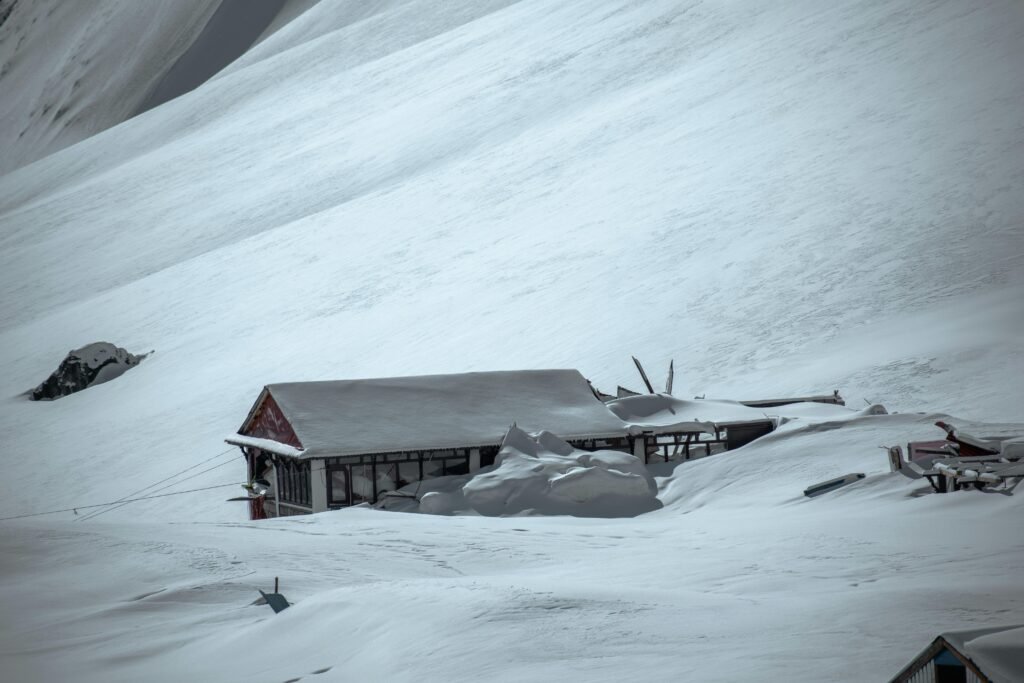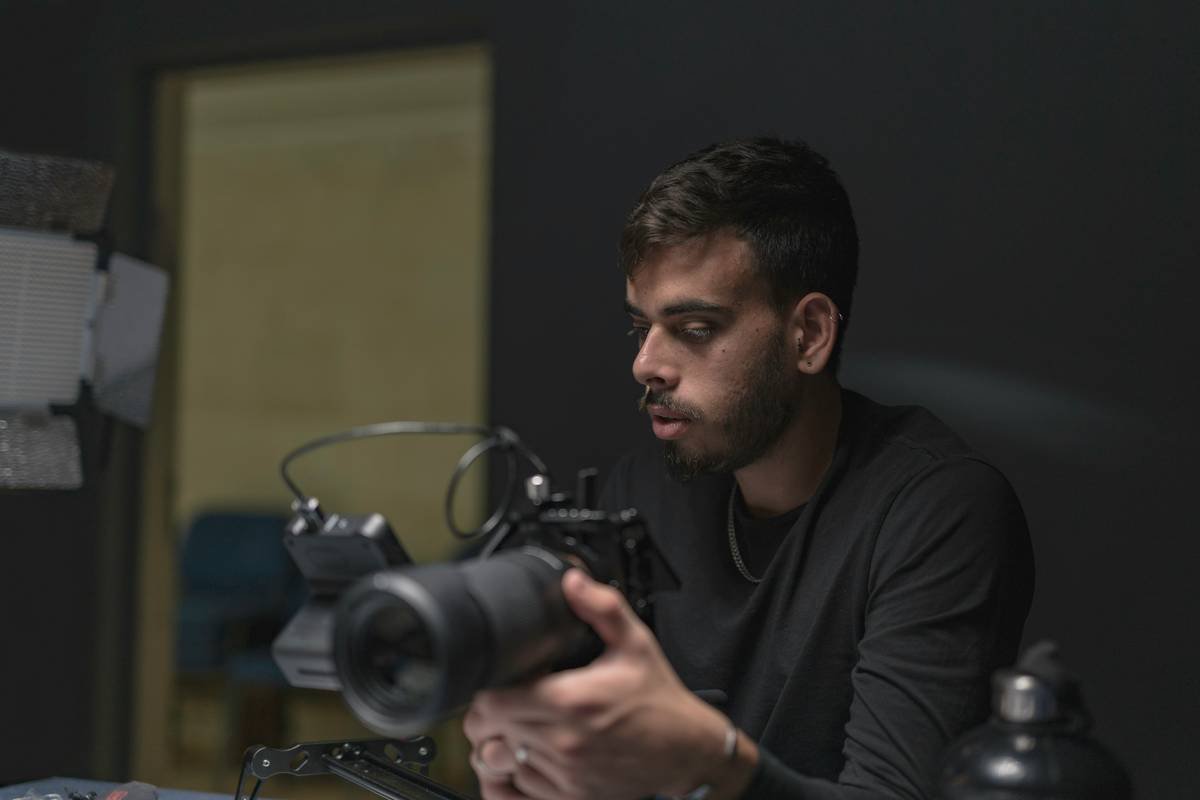
Ever had your film production grind to a screeching halt because of unforeseen delays? Maybe it was bad weather, equipment failure, or that one actor who decided they needed an extra week in Bali. Film delays are like the annoying gremlins of production—they show up uninvited and wreak havoc on your schedule and budget. But what if I told you there’s a way to protect yourself from these curveballs? Enter: film delay insurance. Sounds boring at first glance, right? Stick around, and you’ll learn why this is actually a game-changer.
In this post, we’ll dive deep into how film delay impacts filmmakers financially, why traditional credit cards and personal savings aren’t enough, and how specialized insurance can save your day—and wallet. You’ll also uncover actionable steps for choosing the perfect policy, explore real-world examples, and laugh along as we spill some tea about common industry fails.
Table of Contents
- What Is Film Delay Insurance?
- The Costly Consequences of Delays
- Step-by-Step Guide to Getting Insured
- Tips for Picking the Right Policy
- Real-Life Case Studies
- Common Questions About Film Delay Insurance
Key Takeaways
- Film delays cost more than just time—they drain budgets and disrupt entire projects.
- Traditional credit cards won’t cut it when production hiccups strike.
- Film delay insurance acts as a safety net for unexpected costs caused by delays.
- Picking the wrong policy could leave you high and dry—so choose wisely.
What Is Film Delay Insurance?
Let’s get down to brass tacks. Film delay insurance is exactly what it sounds like: coverage designed to mitigate financial losses when your shoot gets postponed due to circumstances beyond your control. Think of it as a protective bubble wrap for your movie-making dreams.

“But wait,” says Optimist You, “isn’t my existing liability insurance enough?”
Grumpy You replies: “Oh sweet summer child, no. Liability insurance covers injuries and property damage—not delays.”
The Costly Consequences of Delays
Let me tell you a not-so-little secret: film delay isn’t just inconvenient—it’s expensive. Remember my buddy Jake? He lost $50K over three days of rain delays because he thought his platinum card would be his savior. Spoiler alert: it wasn’t.
Here’s where things get tricky:
- Lost wages for cast and crew sitting idle.
- Rental fees piling up for equipment you’re not using.
- Potential penalties from studios or distributors for missed deadlines.
- Audience FOMO—if your release gets pushed back too far, buzz dies faster than a Tamagotchi without food.
Trust me, trying to DIY solutions with maxed-out cards or dipping into personal funds is chef’s kiss awful strategy. This is where film delay insurance swoops in like Batman to rescue Gotham.
Step-by-Step Guide to Getting Insured
- Assess Your Risks: Identify potential delay triggers specific to your project (e.g., location-based risks).
- Gather Documentation: Create detailed schedules, budgets, and backup plans. Lenders love organization.
- Contact Brokers: Find brokers specializing in entertainment insurance. Word on the street is Joe Schmo’s All-Purpose Insurance Co. probably won’t know squat about film delay policies.
- Understand Coverage Limits: Make sure your policy aligns with projected expenses during downtime.

Tips for Picking the Right Policy
Now, onto the juicy stuff. Here are five tips that’ll ensure you pick a winner:
- Avoid Cheap Plans: Terrible tip alert! Going bargain basement may seem tempting but remember—you often get what you pay for.
- Check Exclusions: Understand what isn’t covered. Some policies have ridiculous loopholes.
- Look for Customization Options: Every film is unique; your policy should reflect that.
- Ask About Claims Process: Quick payouts = happy filmmakers.
- Talk to Past Clients: Word-of-mouth reviews beat any glossy brochure.
Rant Time!
Ugh, let me vent for a sec. Why do so many filmmakers skip insurance altogether?! It’s like walking through LA traffic blindfolded while juggling flaming swords. Sure, you *might* make it across safely—but seriously, WHY RISK IT?
Real-Life Case Studies
Take Sarah, a director whose indie flick faced multiple delays thanks to hurricanes. Thanks to her rock-solid film delay insurance, she managed to recover nearly 90% of her additional expenses. Compare that to Mike, another filmmaker who skipped coverage entirely, only to face bankruptcy after weeks of halted shooting.

Common Questions About Film Delay Insurance
Q: What qualifies as a “delay” under most policies?
A: Typical causes include weather issues, illness among key personnel, natural disasters, etc. Always check specifics per provider!
Q: Can I bundle other types of protection with film delay insurance?
A: Absolutely! Many insurers offer packages combining errors & omissions, general liability, and even theft coverage.
Q: Is film delay insurance expensive?
A: Not necessarily! Premiums vary based on factors like project size, location, and duration.
Conclusion
Film delays don’t discriminate—they affect everyone from first-time directors to Oscar winners. But arming yourself with the right knowledge—and insurance—can mean the difference between disaster and triumph. From assessing risk levels to navigating claims processes, today’s guide has equipped you to tackle film delay head-on.
Before signing off, here’s a little throwback easter egg for ya: Remember those slap bracelets from the ’90s? Like them, good insurance wraps around your project perfectly, ready whenever needed.