Ever shown up to a shoot only to find your equipment flooded or an actor mysteriously vanished? Yeah, we’ve all been there. When you’re in the trenches of film production, Murphy’s Law reigns supreme—”anything that can go wrong, will.” That’s why understanding film production insurance with a rock-solid contingency plan is your secret weapon for keeping projects alive when chaos strikes.
In this article, we’ll break down how contingency planning ties into film production insurance and why it matters more than you think. Expect actionable advice on creating contingency plans, industry horror stories, and answers to FAQs about protecting your shoots (without burying you in jargon).
Table of Contents:
- Why Contingency Planning Matters in Film Production
- Step-by-Step Guide to Building a Contingency Plan
- Tips for Smart Film Production Insurance
- Real-World Examples: Lessons from On-Set Disasters
- FAQs About Contingency and Film Production Insurance
Key Takeaways:
- A contingency plan ensures your film production continues despite unexpected setbacks.
- Film production insurance covers risks but depends on thorough pre-shoot preparation.
- Industry examples show how inadequate planning leads to costly delays—and even project failure.
Why Contingency Planning Matters in Film Production
Let me tell you about the time I almost lost my entire indie short because… birds. Yes, birds. Our lead actress was allergic, and guess what flew straight through our outdoor set during filming? A flock of pigeons. Pandemonium doesn’t begin to describe it. We had no backup location lined up—it wasn’t “in the budget.” Ugh, rookie move.
This is where contingency planning meets film production insurance. Without a fallback plan, you risk not only delays but also blowing through your funding. Here’s why contingency strategies are non-negotiable:
- Filmmaking involves high stakes—each day costs thousands.
- Unpredictable weather, tech failures, accidents—they happen.
- Insurance providers demand proof that you’ve mitigated known risks before they cover losses.

Step-by-Step Guide to Building a Contingency Plan
Optimist You:
“Don’t worry; everything will go smoothly!”
Grumpy You:
“Ugh, fine. But first, grab a coffee and let’s talk worst-case scenarios.”
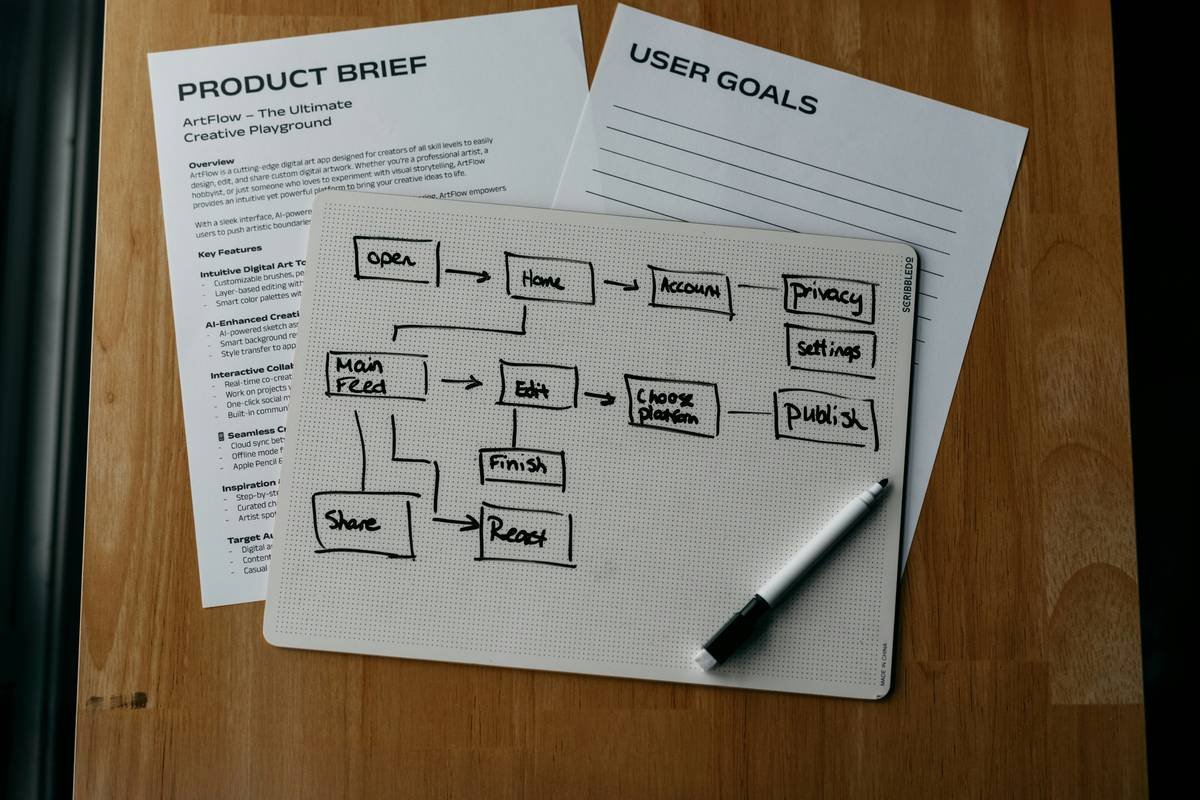
Here’s your step-by-step guide to crafting a contingency plan so solid even Murphy himself would approve:
Step 1: Identify Potential Risks
What could possibly go wrong? Bad weather? Equipment malfunction? Actor injuries? Write them all down—even the ridiculous ones.
Step 2: Prioritize Based on Likelihood & Impact
Focus on high-impact, likely risks first. If there’s a hurricane warning, don’t plan an outdoor beach scene—no matter how epic.
Step 3: Create Backup Solutions
For each risk, brainstorm at least two alternatives. Need an indoor option? Scout locations ahead of time. Losing key crew members? Have contacts ready.
Step 4: Build Extra Time Into Your Schedule
Add buffer days to your shooting schedule for any last-minute reshoots caused by unforeseen problems.
Step 5: Review & Update Regularly
Your contingency plan should evolve as your project grows. Revisit it weekly—or whenever new challenges arise.
Tips for Smart Film Production Insurance
Film production insurance is essential—but smart coverage starts with smart planning. Here are some insider tips:
- Work Closely With Your Broker: They understand nuances specific to filmmaking and help tailor policies to fit your needs.
- Disclose Everything: Don’t hide potential hazards (even minor ones) when applying. Transparency builds trust with insurers.
- Mix Policies Wisely: Combine general liability, workers’ comp, and equipment coverage for comprehensive protection.
- Document Religiously: Keep records of every decision made during prep and shoot phases—it’ll save headaches later if claims arise.
Note: NEVER rely solely on insurance without having a contingency strategy. Trust me, explaining why you didn’t bother preparing may get awkward.
Real-World Examples: Lessons from On-Set Disasters
Rant Alert!
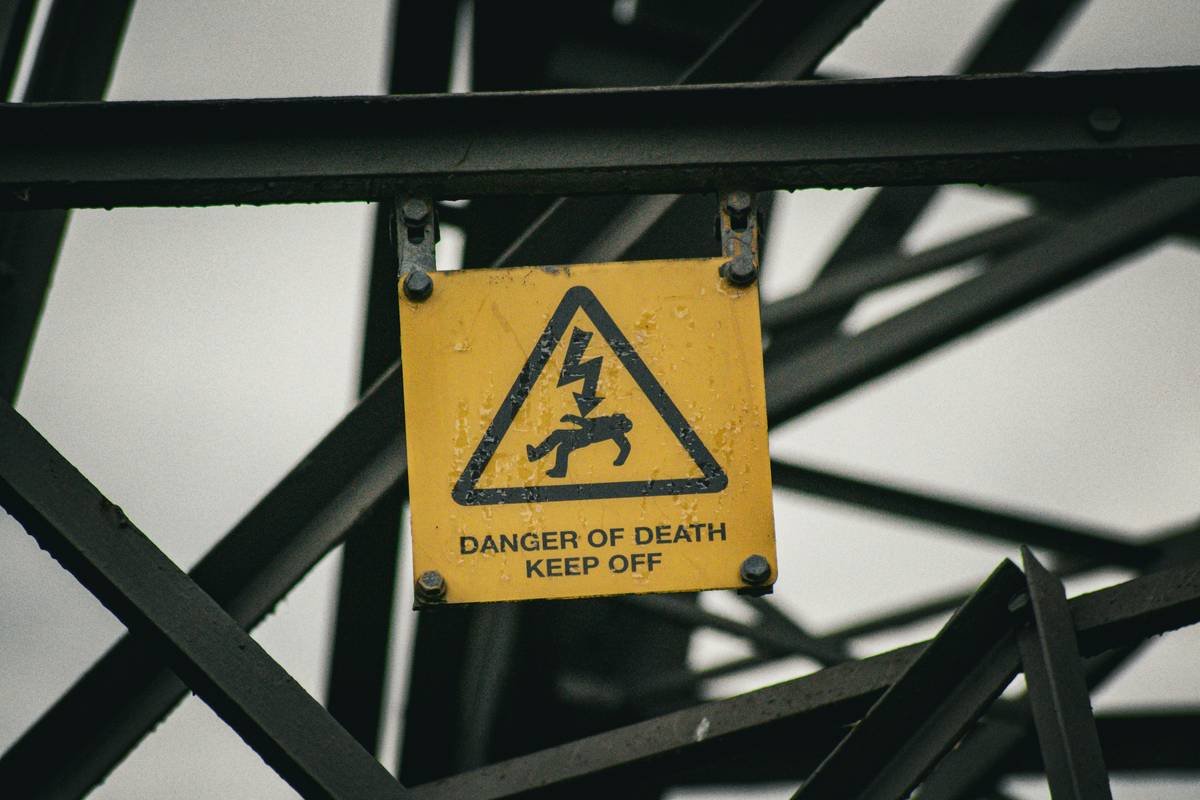
Okay, quick vent: Why do people still ignore basic safety protocols?! There’s nothing worse than seeing talented teams lose months’ worth of work due to preventable mistakes.
Take the infamous case of The Flooded Set Debacle (yes, that’s what insiders call it). During a summer blockbuster shoot in 2019, torrential rains flooded an expensive underwater tank setup. The kicker? No secondary locations were secured, and their policy excluded water damage caused by negligence. Chaos ensued.
Compare that to director Ava DuVernay’s success story while making Selma. She reportedly prepared multiple contingencies for historical reenactments involving large crowds. When one crowd member fell ill mid-scene, her team seamlessly switched to alternate angles shot earlier—all thanks to meticulous pre-planning.
FAQs About Contingency and Film Production Insurance
Q: Is contingency planning required for small productions?
Absolutely. Even low-budget shorts face risks like equipment theft or power outages. Being prepared saves both cash and sanity.
Q: Can I use credit cards instead of traditional financing?
Credit cards might cover some expenses, but interest rates pile up fast. Plus, most insurers prefer documented financial stability over revolving debt.
Q: Does film production insurance cover COVID-19 disruptions?
Pandemic-related halts typically require specialized endorsements added to standard policies. Check with your broker.
Conclusion
If there’s one thing to take away, it’s this: contingency + insurance = peace of mind. Whether you’re dodging natural disasters, technical meltdowns, or human error, proactive planning keeps your vision intact.
So next time someone says, “What’s the worst that could happen?” just smile sweetly and hit them with your killer backup plan. Or better yet, quote Gandalf: “All we have to decide is what to do with the time given us.”
Like trying to manually rewind a VHS tape, life throws curveballs—but with tools like film production insurance and contingency plans, you stay in control.