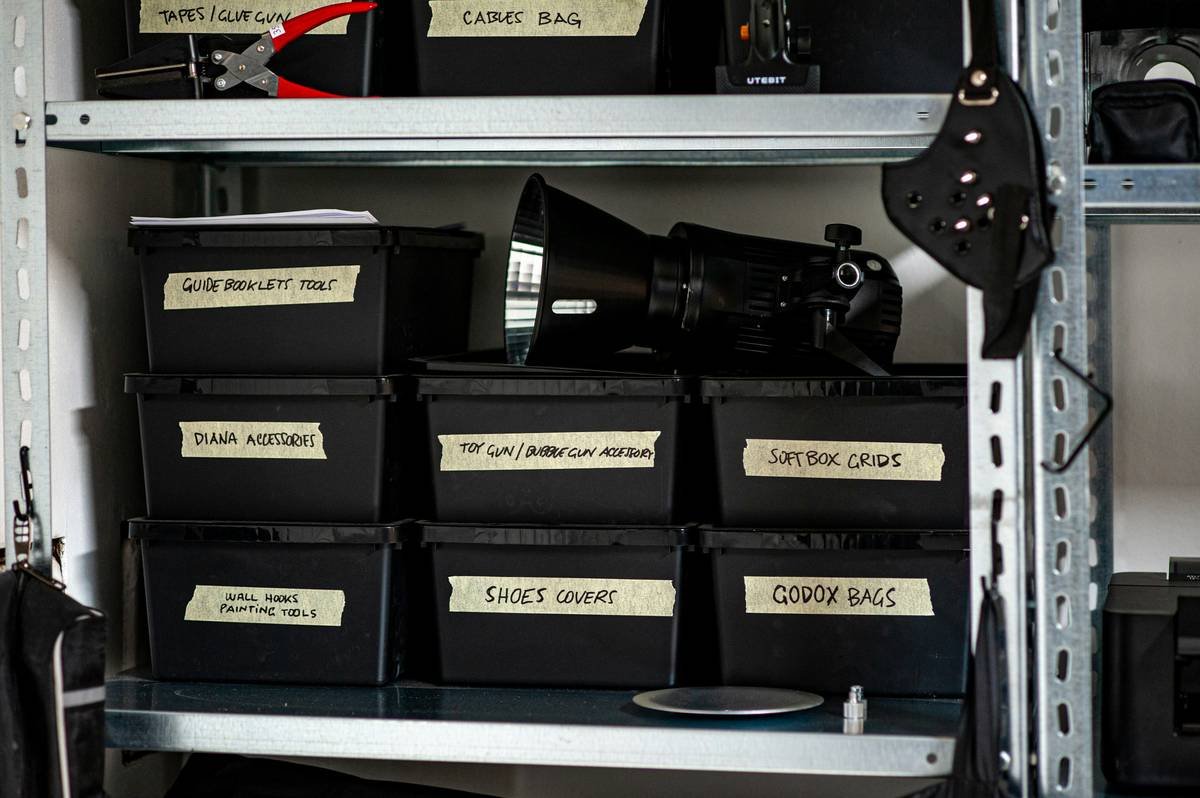
Ever had a $50,000 camera destroyed on set because someone thought “property cover” was just for buildings? Yeah, it hurts.
Filmmaking is an art—but let’s face it, it’s also expensive. Between equipment rentals and location fees, one small accident can wipe out your budget faster than you can yell “Cut!” That’s where film production insurance comes in, especially property cover. But how do you navigate this complex world without losing sleep (or your paycheck)?
In this post, we’ll break down everything you need to know about property cover for filmmakers. You’ll learn the basics, step-by-step guidance to secure coverage, top tips to avoid disasters, and real-life examples of what happens when things go wrong. Let’s dive in.
Table of Contents
- What Exactly Is Property Cover?
- Step-by-Step Guide to Securing Property Cover
- Best Practices for Maximizing Your Coverage
- Real-World Examples of Property Cover Saves
- FAQs About Property Cover for Film Production
Key Takeaways
- Property cover protects physical assets like cameras, lights, and props during film production.
- Not all policies are created equal—read the fine print!
- Preventative measures can save thousands in claims.
- Avoid common mistakes like assuming basic insurance will suffice.
What Exactly Is Property Cover?
“Wait,” *Optimist You* says, “Isn’t property cover only for houses?” Grumpy You replies, “Ugh, nope. In film production, it’s the secret sauce keeping your gear safe.”
Property cover under film production insurance safeguards your tangible assets—the stuff that makes movies happen. Cameras, lenses, lighting rigs, even costumes—are all at risk if something goes sideways. Whether it’s a lighting rig falling over or water damage from unexpected rain, these mishaps can cost big bucks.
Figure 1: A filmmaker surveys damaged equipment—an avoidable disaster with proper property cover.
Step-by-Step Guide to Securing Property Cover
Securing property cover doesn’t have to feel like decoding ancient hieroglyphics. Here’s your roadmap:
Step 1: Assess Your Inventory
Create a detailed inventory of every single piece of gear you own or rent. Be obsessive—include serial numbers, purchase dates, and replacement costs. This list is your lifeline if disaster strikes.
Step 2: Find a Specialist Broker
Don’t skimp here. Work with brokers who specialize in entertainment insurance. They understand the nuances of protecting film productions better than generic insurers.
Step 3: Compare Policy Options
Look for clauses about accidental damage, theft, and natural disasters. Some policies exclude specific perils (cue grumpy rant: why does anyone think hurricanes won’t hit outdoor shoots?!).
Step 4: Understand Exclusions
Read the exclusions carefully. For example, many policies won’t cover items left unattended overnight unless explicitly stated. Terrible Tip Alert: Assuming your buddy’s policy will cover shared gear is a recipe for regret.
Best Practices for Maximizing Your Coverage
- Keep Gear Secure: Lock up equipment when not in use. It sounds simple, but so many losses could’ve been avoided by using locks or safes.
- Document Everything: Take photos of each item before shoots. Sounds tedious, but trust me—it’s chef’s kiss for speeding up claims.
- Train Your Crew: Educate everyone on handling high-value gear. Accidents often stem from ignorance, not malice.
Real-World Examples of Property Cover Saves
A few years back, a crew filming in Iceland faced catastrophic weather conditions. Their drone crashed into icy waters—a total loss worth $10K. Thanks to their robust property cover, they were reimbursed fully within weeks.
On the flip side, another indie team went uninsured during a shoot in Los Angeles. One faulty cable shorted out their entire lighting setup. The repair bill? Over $20,000. Lesson learned the hard way.
Figure 2: Filming in remote locations requires extra precautions—and solid property cover.
FAQs About Property Cover for Film Production
Q: Do I really need property cover if I’m renting equipment?
Absolutely. Rental companies rarely include comprehensive insurance—they expect YOU to handle that. Without property cover, you’re on the hook for replacements.
Q: Can I bundle property cover with other types of insurance?
Yes! Many providers offer packages combining liability, worker’s comp, and property cover. Pro tip: Bundling often saves money.
Q: What happens if my claim gets denied?
Most denials result from unclear documentation or misunderstanding terms. Work closely with your broker to appeal or clarify issues.
Conclusion
Film production insurance—and particularly property cover—isn’t optional; it’s essential. With the right strategy, securing coverage can save you time, stress, and cash. Remember:
- Assess your inventory obsessively.
- Partner with specialists.
- Understand policy exclusions.
And hey, don’t be THAT filmmaker who skips property cover. Learn from others’ mistakes instead of making them yourself.
Now, go forth and create cinematic magic—with peace of mind, thanks to smart property cover planning.
Like finding extra fries at the bottom of the bag, good insurance feels amazing. 🍟✨