Ever had your camera gear stolen right before a big shoot? Or watched as an expensive lens tumbled off a tripod, shattering into pieces? Film production is equal parts art and chaos—and without the right equipment protection, even the smallest mishap can derail your project. That’s where film production insurance comes in.
In this post, we’ll dive deep into how you can safeguard your gear with smart insurance strategies while avoiding rookie mistakes that could cost you dearly. You’ll learn:
- Why equipment protection matters more than ever.
- A step-by-step guide to choosing the perfect policy.
- Tips for maximizing coverage (and what *not* to do).
- Real-life examples of filmmakers who saved their budgets with proper insurance.
Table of Contents
- Key Takeaways
- Why Equipment Protection Matters
- Choosing the Right Insurance Policy
- Best Practices for Film Production Insurance
- Real-World Examples
- FAQs About Equipment Protection
- Conclusion
Key Takeaways
- Film production insurance is essential for protecting costly equipment from theft, damage, or accidents.
- Not all policies are created equal; tailor yours to fit the specific needs of your production.
- Always inventory your gear before purchasing coverage—it’s easier to file claims later.
- Beware of “cheap” plans that leave critical gaps in protection.
Why Equipment Protection Matters
Filmmaking is a high-stakes game, and one wrong move can lead to disaster—literally. A shattered lens might mean missing a key shot, and stolen cameras? Well, say goodbye to days of shooting entirely. Scary stuff, right? I’ll never forget the time my friend Dave lost $30,000 worth of rented lenses when someone broke into his car during pre-production. He didn’t have insurance, and he was stuck footing the bill himself.
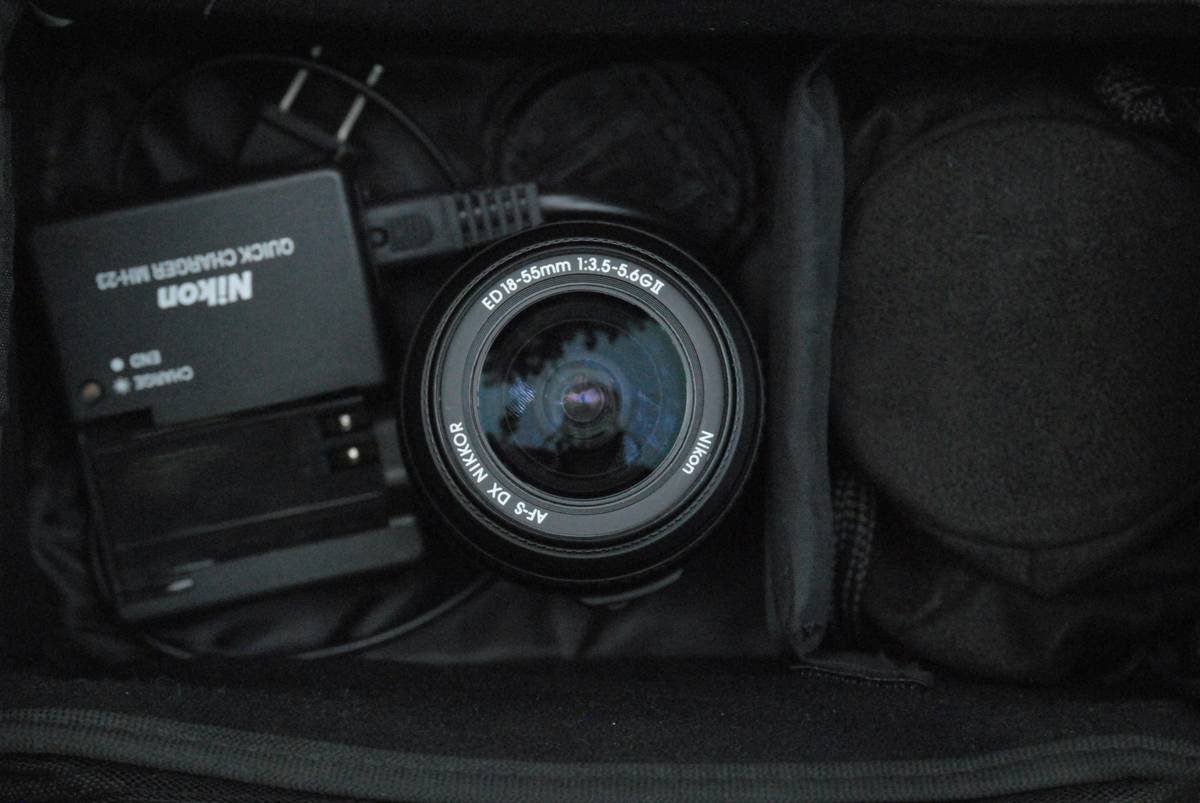
Damaged camera equipment can halt productions—and drain bank accounts.
The good news? Proper film production insurance offers peace of mind by covering these kinds of disasters. Whether it’s accidental drops, weather-related incidents, or malicious acts, robust equipment protection ensures you’re not left holding the bag when things go south.
Choosing the Right Insurance Policy
Optimist You: “Insurance sounds straightforward enough!”
Grumpy You: “Yeah, until you realize there are 50 different types of policies out there.”
To find the best plan, follow these steps:
Step 1: Assess Your Gear Value
Create a detailed list of everything you own or rent. Include specs, serial numbers, and estimated values. This will help insurers provide accurate quotes.
Step 2: Decide Between General Liability vs. Specialized Coverage
General liability covers things like third-party injuries or property damage but often skips over specialized equipment. For true equipment protection, look at Inland Marine Policies designed specifically for filming gear.
Step 3: Compare Multiple Quotes
Don’t settle for the first quote you get. Shop around to compare rates, deductibles, and exclusions. Some companies offer discounts if you bundle policies, so keep that in mind!
Best Practices for Film Production Insurance
- Always Read the Fine Print: Hidden clauses can exclude certain scenarios, like natural disasters or water damage.
- Keep Records: Save receipts, invoices, and maintenance logs for all your gear.
- Review Annually: As your equipment collection grows, make sure your policy keeps up.
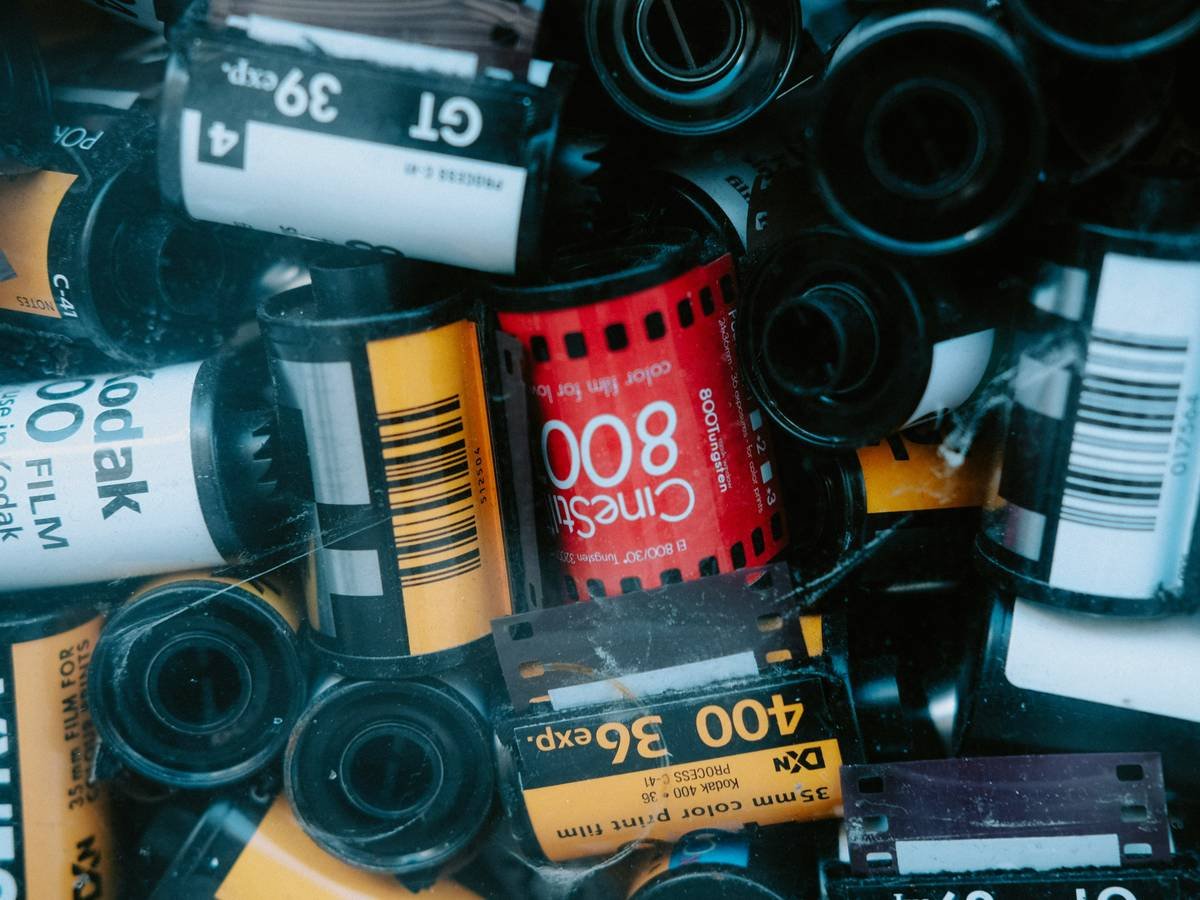
Keeping meticulous records helps streamline claims processes.
Terrific Tip Alert: Don’t Skimp on Deductibles
Sure, lower deductibles seem tempting upfront, but they usually come with sky-high premiums. Find a balance that works for your budget.
Real-World Examples
“Sarah’s Story: Saved By Smart Planning”
Sarah, an indie filmmaker, once faced a catastrophic flood during principal photography. Her cameras, lighting rigs, and sound equipment were submerged—but thanks to her comprehensive insurance policy, she recovered nearly 90% of her losses within weeks. Moral of the story? Always plan for the worst-case scenario.
FAQs About Equipment Protection
What Does Film Production Insurance Typically Cover?
Film production insurance generally includes equipment theft, accidental damage, and even rental reimbursement if something happens to borrowed gear.
How Much Does It Cost?
Premiums vary widely based on factors like equipment value, scope of production, and location. Expect to pay anywhere from hundreds to thousands annually.
Can I Insure Only Specific Items?
Yes! Many insurers allow itemized coverage for individual pieces of high-value gear. Just be prepared to justify its worth.
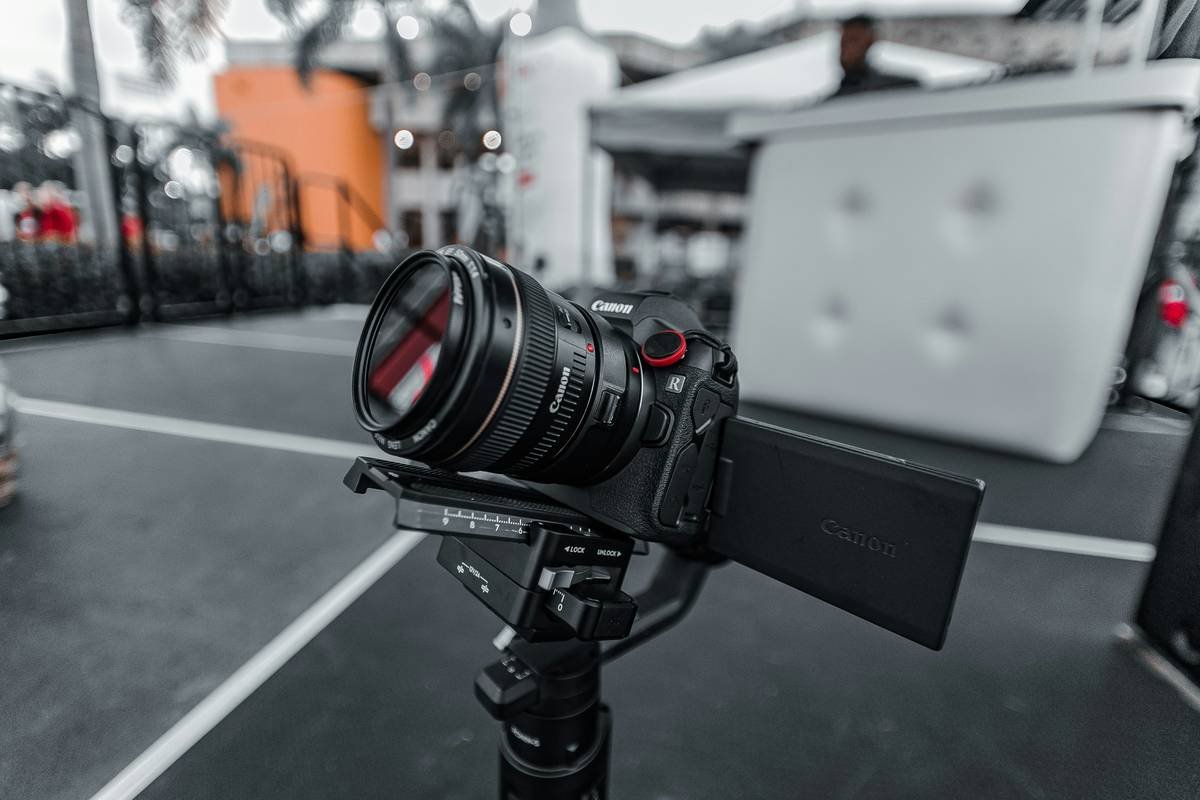
Every piece of equipment plays a role in bringing stories to life.
Conclusion
As much fun as making movies can be, it’s also a risky endeavor—especially when expensive tools are involved. Investing in solid equipment protection through tailored film production insurance isn’t just smart; it’s non-negotiable. From assessing your gear value to dodging sneaky fine print, the tips above should give you confidence moving forward.
So here’s the deal: protect your gear, protect your vision, and let the rest fall into place. Oh, and coffee. Lots of coffee.
(Ugh, fine—but only if it’s cold brew.)
Like a flip phone in 2024,
Your setup needs backup, pronto!