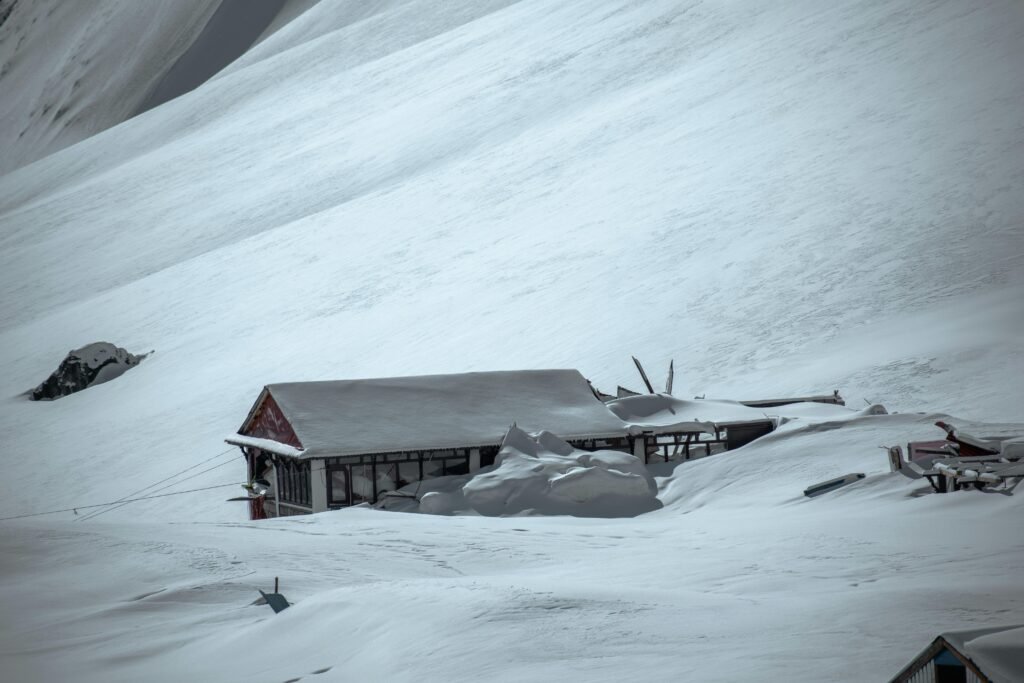
“Ever stood on set at 4 AM, coffee in hand, only to watch a storm roll in and trash your $20,000 shoot? Yeah, us too.”
Filmmaking is hard enough without Mother Nature throwing curveballs. But weather disruption strikes more often than you think—and it’s brutal. Imagine losing days of work because lightning decided your outdoor scene wasn’t worth the risk. That’s where film production insurance steps in as your knight in shining armor.
In this guide, we’ll dive deep into how weather disruption impacts film productions, why having the right credit card perks can soften the blow, and which insurance plans are your best bet. You’ll learn:
- Why weather causes chaos for filmmakers
- Key types of film production insurance coverage
- Actionable tips to minimize losses when storms hit
- Real-world examples of productions saved by smart planning
Table of Contents
- Key Takeaways
- The Problem: Why Weather Disruption Is a Filmmaker’s Nightmare
- Step-by-Step Guide: Choosing the Right Insurance Plan
- Best Practices for Managing Weather Risks
- Case Studies: When Insurance Saved the Shoot
- FAQs About Weather Disruption & Film Insurance
Key Takeaways
- Weather disruptions can cost filmmakers thousands of dollars per day due to delays, reshoots, or equipment damage.
- Film production insurance covers unforeseen weather events but varies by policy type—don’t skimp!
- Credit cards offering travel protection or rental gear reimbursements can complement your insurance strategy.
- Proactive measures like contingency planning reduce financial risks during bad weather.
The Problem: Why Weather Disruption Is a Filmmaker’s Nightmare
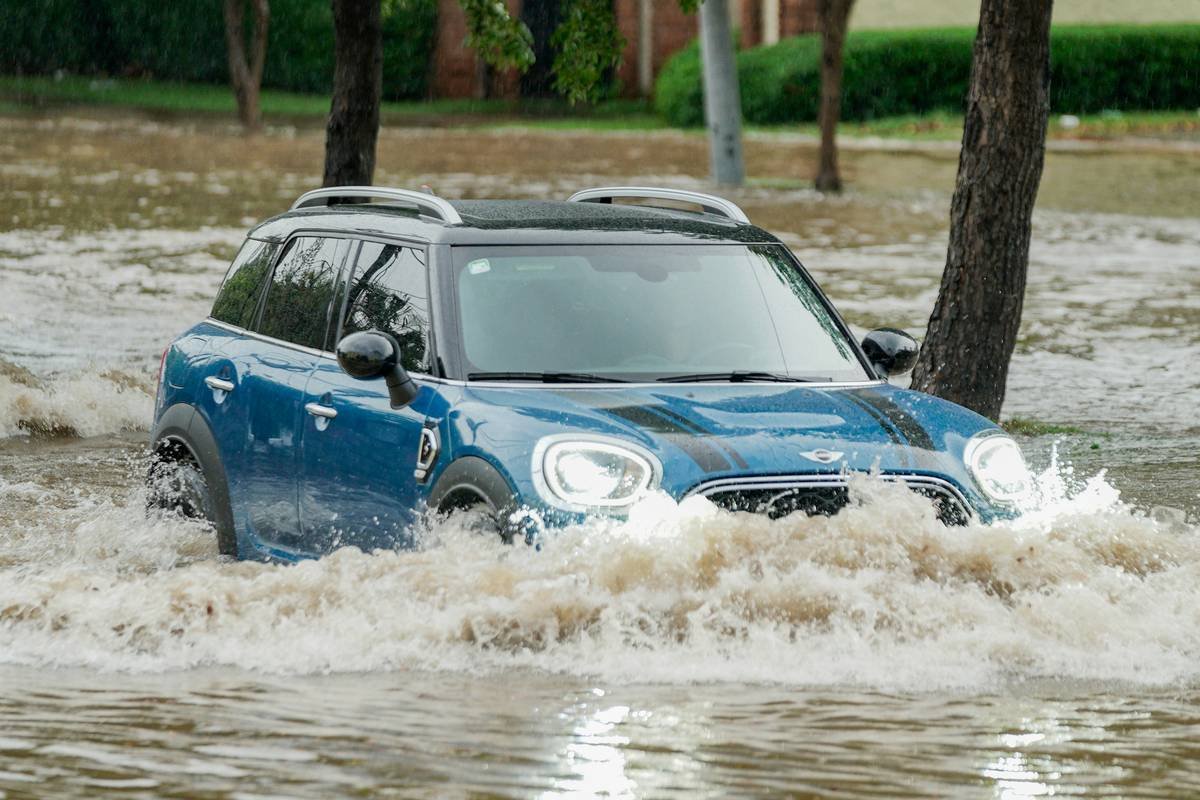
Here’s an ugly truth about filmmaking: 63% of outdoor shoots face unexpected delays due to weather conditions. Whether it’s torrential downpours washing out location permits or gale-force winds knocking over lighting rigs, unpredictability reigns supreme. And let’s not forget the costs:
- Average daily rate for crew and talent can exceed $50,000.
- Rescheduling eats into tight timelines and budgets.
- Equipment damaged by water or wind may require costly repairs.
I once lost an entire weekend shoot thanks to a rogue hailstorm that battered our cameras beyond repair. Lesson learned? Never underestimate nature—or fail to prepare properly.
“Optimist You: ‘We’ve planned everything perfectly!’ Grumpy Me: ‘Yeah, right until that random thundercloud shows up.’”
Step-by-Step Guide: Choosing the Right Insurance Plan
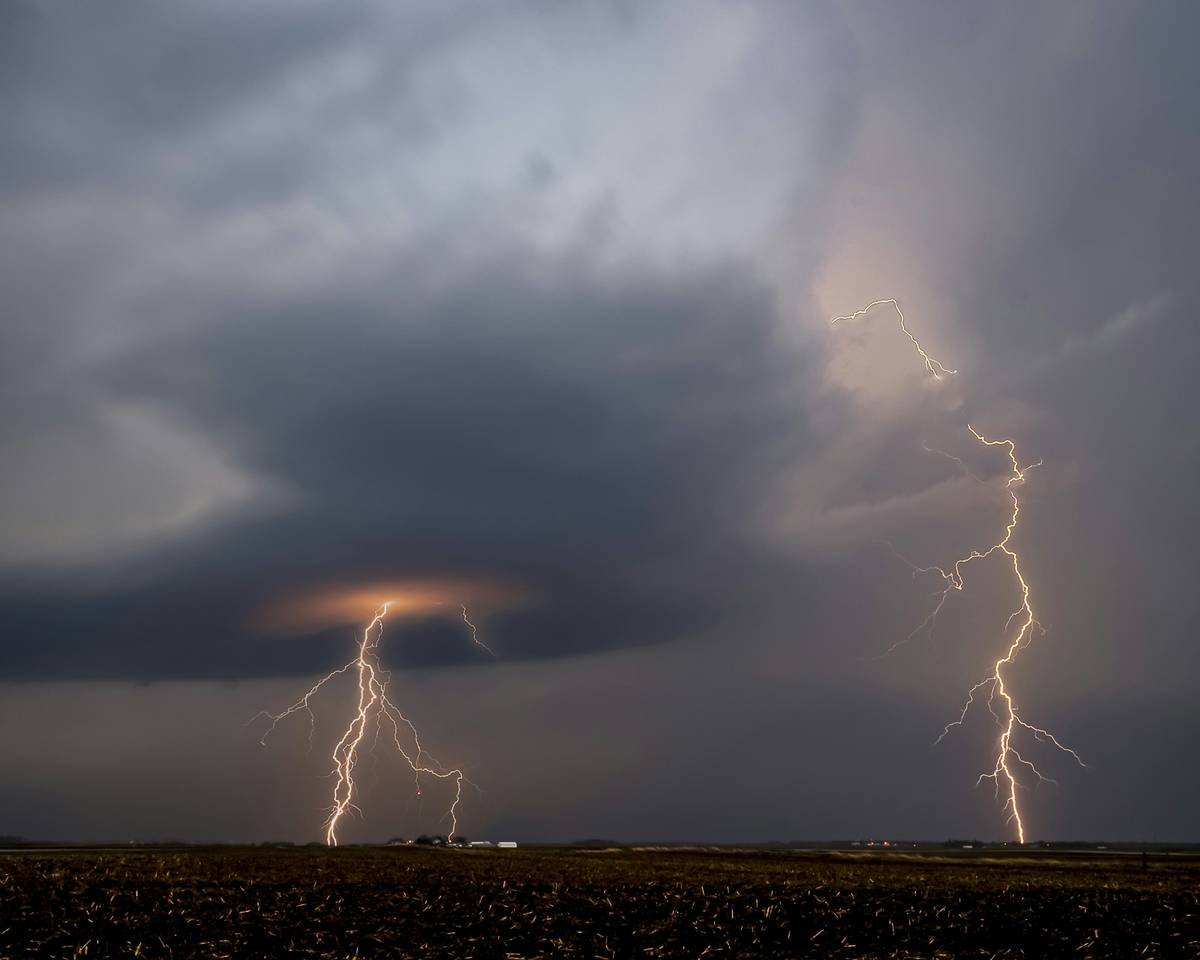
Protecting your project starts with picking the right plan. Here’s how:
Step 1: Understand Coverage Types
Not all film production insurance policies handle weather disruptions equally. Key options include:
- All-Risk Policies: Broadest protection against all perils except exclusions.
- Specific Peril Policies: Covers named risks like floods or hurricanes.
Step 2: Assess Policy Limits
Ensure limits match potential losses. For example:
- Daily production values exceeding $100k? Look for higher payout caps.
- High-end equipment rented? Verify replacement cost terms.
Step 3: Add Riders if Necessary
Riders extend base coverage to address specific needs, such as drone operation liability or international locations prone to extreme climates.
Best Practices for Managing Weather Risks
#1: Monitor Forecasts Religiously
Use apps like AccuWeather Pro to track hyper-local patterns. Set alerts so nothing sneaks up on you.
#2: Include Contingency Funds
Allocate at least 10% of your budget for rainy-day reserves—literally.
TERRIBLE TIP #3: Ignore Backup Locations
(Don’t do this!) Sure, ignoring alternative sites might save prep time upfront, but trust me—it’s a gamble no filmmaker wins long-term.
Case Studies: When Insurance Saved the Shoot
Case Study #1: A low-budget indie production scheduled an open-field sequence near LA. A freak sandstorm destroyed their camera stabilizers mid-shoot. Thanks to comprehensive insurance, they replaced gear and reshot within days, avoiding bankruptcy.
Case Study #2: During filming in Iceland, unseasonal snowfall trapped cast and crew overnight. Evacuation and lodging expenses totaled $85k—but full reimbursement came through from their comprehensive plan.
FAQs About Weather Disruption & Film Insurance
Does Standard Insurance Cover Extreme Weather Events?
Maybe. Review fine print carefully; some exclude “acts of God,” while others have broader scopes.
What If I Use My Personal Credit Card for Rentals?
Many premium cards cover rentals up to $30k, but terms vary wildly. Check yours before relying solely on it.
Is It Worth Paying Extra for All-Risk Policies?
Absolutely—if you value peace of mind and don’t want gaps leaving massive liabilities.
Conclusion
Weather disruption poses real threats to film projects—but preparation paired with robust insurance mitigates those risks effectively. From understanding key policy clauses to leveraging credit card perks for backups, there’s no excuse for being caught off guard. Remember: proactive planning ensures smoother takes despite whatever skies throw your way.
Now go ahead—grab that latte, draft your ideal insurance checklist, and conquer Mother Nature with confidence. Ugh, fine—but only if coffee’s involved.
Haiku Time:
Rain clouds loom above,
Insurance shields fragile dreams—
Lights, camera, action!