Ever had a film set accident spiral into weeks of legal headaches and unexpected costs? You’re not alone. From equipment mishaps to injuries, the stakes are high in film production. But here’s the kicker—most independent filmmakers underestimate one crucial element: legal liability.
In this post, we’ll uncover why film production insurance is more than just a checkbox. We’ll dive into how it protects your project from crippling lawsuits, walk you through choosing the right coverage, and share insider tips to keep your production drama-free. By the end, you’ll know exactly how to shield yourself against unnecessary risks without breaking the bank.
Table of Contents
- Why Legal Liability Matters on Set
- How to Choose the Right Film Production Insurance
- Best Practices for Managing Legal Liability Risks
- Real-Life Examples of Legal Liability Saving the Day
- Frequently Asked Questions About Film Production Insurance
Key Takeaways
- Film production insurance safeguards against lawsuits related to property damage, injuries, and other liabilities.
- Understanding legal liability can save your budget and reputation if something goes wrong on set.
- Poorly chosen policies can cost you more than they protect you—so research thoroughly.
Why Legal Liability Matters on Set
Picture this: You’re shooting a pivotal scene where the hero performs an epic stunt. The crowd gathers around, cameras roll…and then someone trips over a cable, injuring themselves. Cue chaos. This scenario happens more often than you’d think—and without proper film production insurance, that one incident could bankrupt your entire project.
Legal liability, specifically under general liability insurance, steps in as your unsung hero. It covers third-party claims such as bodily injury, property damage, or even reputational harm caused by actions during filming. Without it, you risk facing steep financial penalties and potential lawsuits.
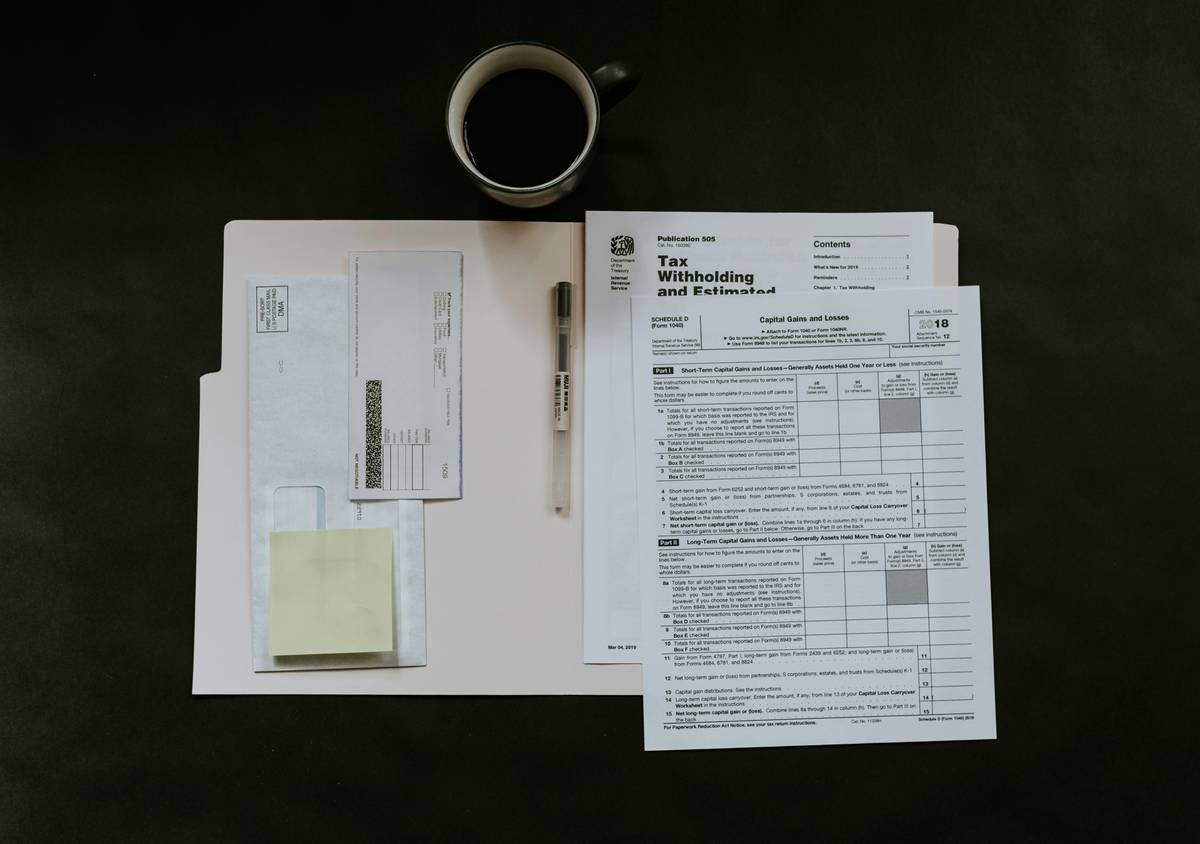
The Cost of Ignoring Liability
I once worked on a low-budget indie film where no one thought about insurance until our boom mic accidentally shattered an antique lamp at the location. Let’s just say “apologies” didn’t cut it when the owner demanded compensation. Lesson learned!
According to industry stats, nearly 40% of productions face some form of legal dispute annually. Those odds aren’t great, but having solid legal liability coverage drastically reduces the fallout.
How to Choose the Right Film Production Insurance
*Optimist You:* “There must be a perfect policy out there!”
*Grumpy You:* “Ugh, fine—but reading these terms feels like solving a Rubik’s Cube blindfolded.”
Choosing the right film production insurance isn’t glamorous, but it’s necessary. Here’s a step-by-step guide:
Step 1: Assess Your Needs
What kind of project are you working on? Is it a high-octane action flick with car chases? Or a cozy rom-com filmed entirely indoors? Different projects demand different levels of coverage.
Step 2: Check Coverage Options
Typically, film production insurance includes:
- General Liability: Covers third-party injuries and damages.
- Equipment Coverage: Protects gear against theft or damage.
- Workers’ Compensation: For injuries sustained by cast and crew.

Step 3: Compare Providers
Not all insurers are created equal. Some specialize in entertainment, offering tailored packages. Others might give vague quotes that leave you scratching your head. Pro tip: Look for reviews or ask peers for recommendations.
Avoid This Terrible Tip:
“Just pick the cheapest option.” Sounds tempting, right? Wrong. Cheap plans often omit critical features, leaving you exposed. Trust me; cutting corners here will bite you later.
Best Practices for Managing Legal Liability Risks
Now let’s talk prevention. Sure, insurance helps after the fact, but mitigating risks upfront saves time, money, and stress. Here are three golden rules:
- Conduct Safety Drills: Before rolling cameras, ensure everyone knows emergency protocols.
- Use Waivers Wisely: Have participants sign waivers acknowledging inherent risks (but consult a lawyer first).
- Inspect Locations Carefully: Avoid hazards like loose wiring or unstable structures before setting up.
A little effort upfront can prevent disasters down the line—and trust me, nobody wants their film’s legacy to include lawsuits instead of Oscars.
Real-Life Examples of Legal Liability Saving the Day
Take *Project Alpha*, a sci-fi short shot last year. During filming, a prop weapon accidentally damaged a rented vehicle. Thanks to their legal liability coverage, the team avoided thousands in repair costs. Meanwhile, another filmmaker I know refused to invest in insurance…until an actor tripped and sued them for medical expenses. That story ended less happily, let me tell ya.
Sounds harsh, but neglecting legal protections makes your dream project vulnerable. Don’t become part of that statistic.
Frequently Asked Questions About Film Production Insurance
Q: What does legal liability cover?
A: Legal liability typically covers third-party bodily injury, property damage, and sometimes personal/advertising injury.
Q: Do I need workers’ comp along with legal liability?
A: Yes, especially if you have a paid cast and crew. Workers’ comp protects employees, while legal liability handles external parties.
Q: Can I add riders to my policy mid-production?
A: Most providers allow modifications, but expect additional fees. Plan ahead to avoid surprises.
Conclusion
Film production is exhilarating—but risky. With the right insurance focusing on legal liability, you can stay protected without sacrificing creativity. Remember to assess your needs, choose wisely, and follow best practices to minimize exposure.
So go ahead, chase those cinematic dreams—not lawsuits. Oh, and grab that coffee before reviewing those policy details; you’ve earned it.
“Like protecting Tamagotchis in 2002, guarding your film requires attention daily.”
—Your Inner Film Producer 😜UIStoryboardSegue