Ever been on set, ready to shoot that epic opening scene, only for Mother Nature to throw you a curveball? We’ve all been there. Rain delays are the bane of every filmmaker’s existence—but they can be catastrophic if you’re unprepared when it comes to your film production insurance. Let’s talk about how rain delays impact your shoot and what you need to know to protect your project.
Table of Contents
- Introduction: Why Rain Delays Matter
- Section 1: The Hidden Costs of Rain Delays in Film Production
- Section 2: Navigating Film Production Insurance During a Rain Delay
- Section 3: Best Practices to Avoid Insurance Nightmares
- Section 4: Real-World Example – How One Filmmaker Turned a Rain Delay Into Success
- Section 5: FAQs About Film Production Insurance and Rain Delays
- Conclusion: Securing Peace of Mind for Your Next Shoot
Key Takeaways
- Film production insurance is essential to cover unexpected events like rain delays.
- A proper understanding of policy terms, including weather clauses, can save you thousands.
- Planning ahead with backup schedules minimizes financial strain from rain delays.
- Real-world examples highlight the importance of having comprehensive coverage.
The Hidden Costs of Rain Delays in Film Production
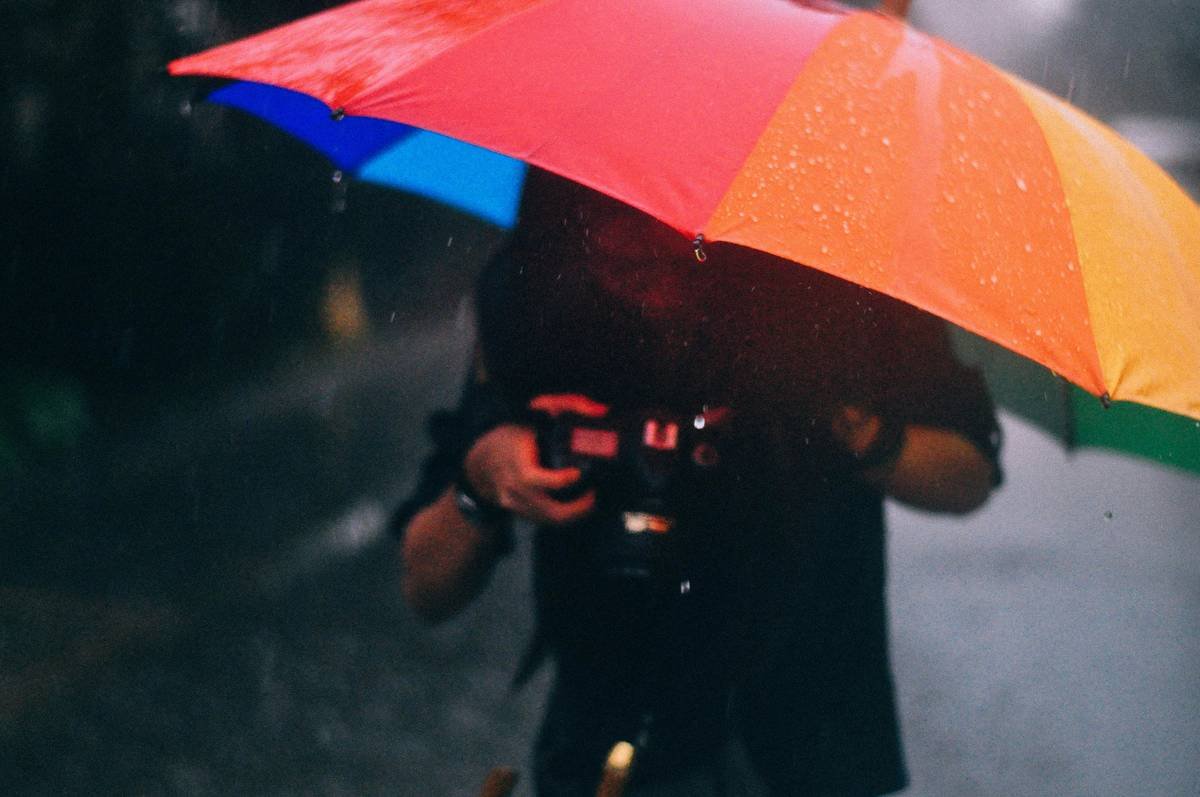
If you think a rain delay is just an inconvenience, think again. When cameras stop rolling because of bad weather, costs pile up faster than waterlogged equipment. Cast members sitting idle, location rentals ticking away, catering services still running—the numbers add up quickly. A single day’s delay could cost anywhere between $50,000 to over $250,000 depending on the scale of your production.
I’ll admit, I underestimated this myself once. Back in my early days as a producer, we didn’t budget properly for potential weather disruptions. One surprise storm left us scrambling—and broke—with no contingency plan. Trust me; it sounds like nails on a chalkboard hearing “We need more funding” after already maxing out our credit cards.
Navigating Film Production Insurance During a Rain Delay
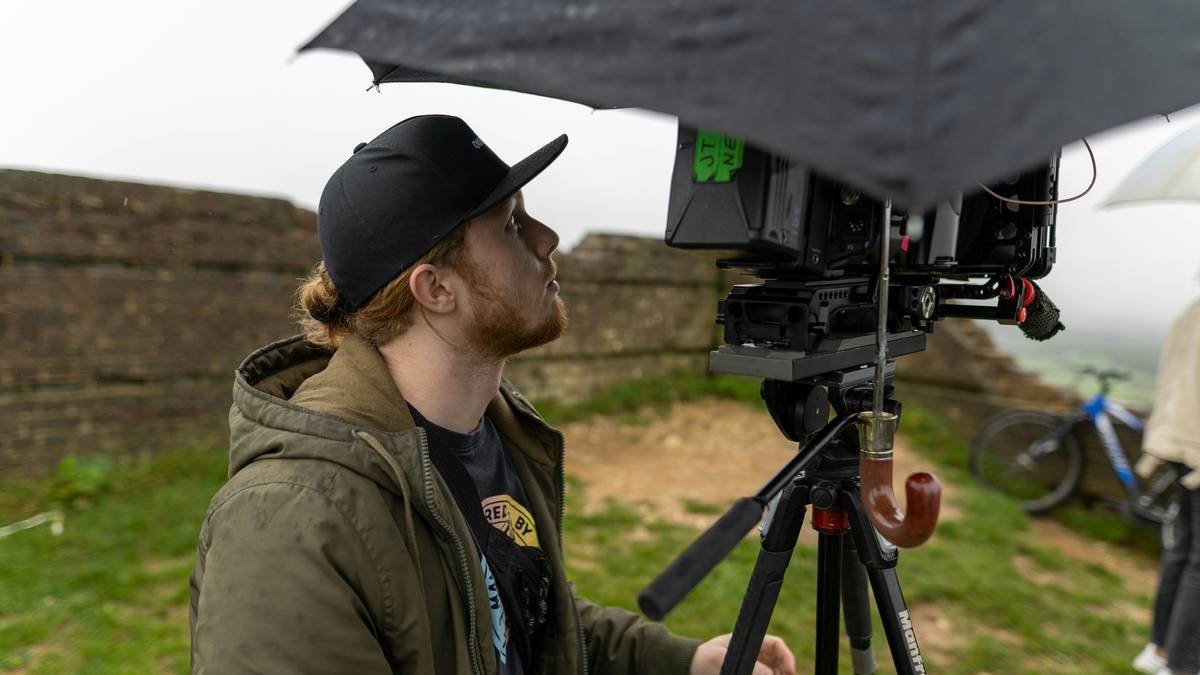
Film production insurance often includes provisions for weather-related delays, but navigating these clauses can feel like deciphering hieroglyphics. Here’s where most people go wrong:
- Poorly Defined Terms: Many policies vaguely mention “weather delays,” leaving producers unsure whether rain qualifies.
- Inadequate Coverage Limits: Some insurers cap payouts at amounts far below actual losses.
- Omitted Add-Ons: Without additional riders or endorsements, certain scenarios might not be covered.
“Optimist You:” ‘As long as I have insurance, everything will work out.’
“Grumpy You:” ‘Ha! Good luck trying to file a claim without reading every last line of fine print.’
Best Practices to Avoid Insurance Nightmares
To ensure smooth sailing (even during storms), follow these steps:
- Work With a Specialist Broker: A broker experienced in entertainment industry risks knows exactly which questions to ask.
- Review Weather Clauses Carefully: Make sure your policy explicitly mentions rain delays and outlines what’s included.
- Schedule Contingency Days: Always include buffer days in your shooting schedule specifically for inclement weather.
- Document Everything: From contracts to daily call sheets, keep meticulous records to support any claims.
Pro Tip That Actually Works: Always confirm that your deductible aligns with your risk tolerance. Too high? You’re stuck footing massive bills upfront.
Disclaimer: Never skip reviewing exclusions—this is the dumbest mistake anyone makes. Like forgetting sunscreen at Coachella. Ouch.
Real-World Example – How One Filmmaker Turned a Rain Delay Into Success
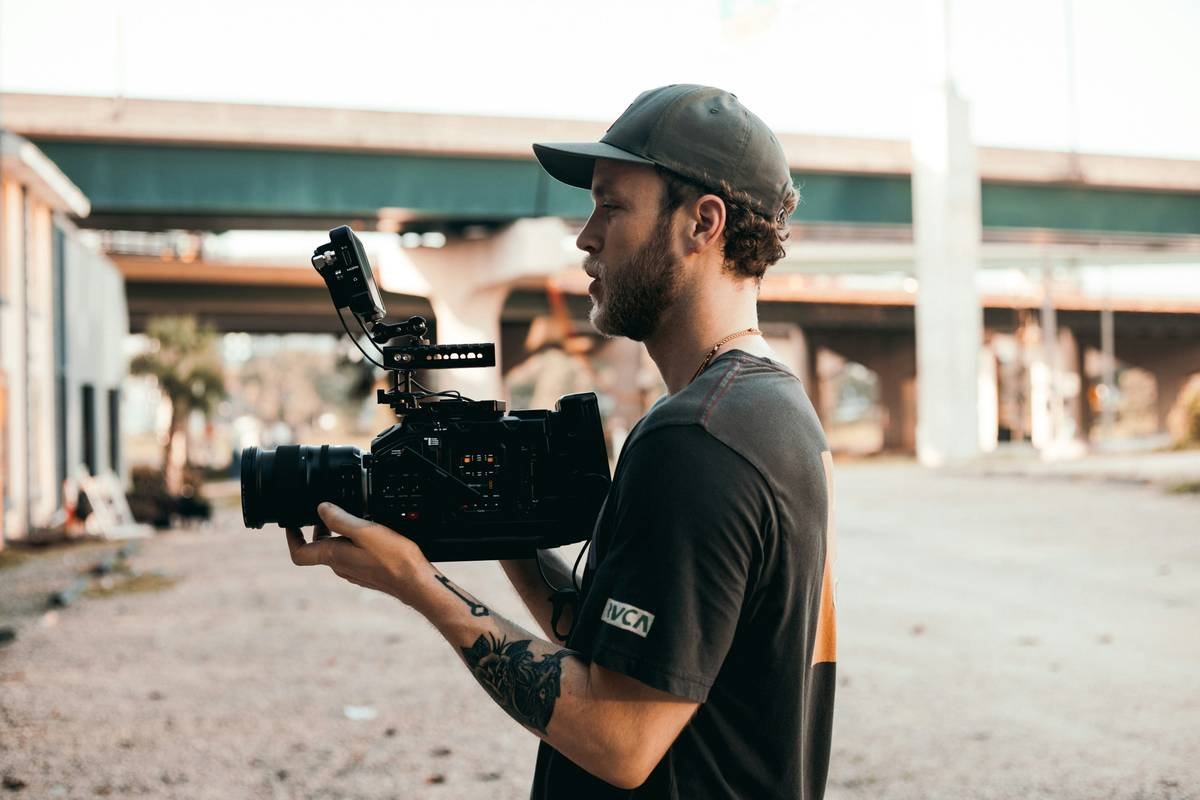
Take Jane Doe, director of the indie hit “Storm Chasers.” On Day 3 of her outdoor-heavy shoot, relentless rain forced her team indoors. Thanks to thorough pre-planning—including securing robust film production insurance—she pivoted seamlessly. Unused locations became indoor scenes, saving time and money. Not only did she finish within budget, but she also won accolades for creativity under pressure.
FAQs About Film Production Insurance and Rain Delays
Does standard insurance cover rain delays?
No, many basic plans lack specific provisions unless explicitly added. Always check your policy!
What documentation is needed for weather-related claims?
Weather reports, crew logs, signed waivers, and expense receipts form the backbone of a solid claim package.
Can I reduce premiums by taking precautions?
Absolutely! Demonstrating proactive measures such as hiring meteorologists or using covered stages may lower rates.
Conclusion: Securing Peace of Mind for Your Next Shoot
Rain delays don’t have to sink your dreams—or your bank account. Armed with the right knowledge, robust film production insurance, and some insider tips, you can tackle even the harshest downpour like a pro. Remember: forewarned is forearmed.
Before you dive into planning your next blockbuster, bookmark this guide for quick reference. And remember, preparation beats panic every time—like wearing flip-flops to a sandcastle-building contest, you gotta stay ready.
Like waiting for WiFi during peak hours, patience pays off. And if life gives you lemons…turn them into mojitos.
Rain falls hard,
Clouds loom close,
But shoots go on!