“Ever lost sleep wondering if your film set is one slip-and-fall away from financial ruin? Yeah, us too.”
When it comes to film production insurance, liability limits are the unsung heroes—or villains—depending on how prepared you are. In this guide, we’ll dive into what liability limits mean in the context of film production, why they matter more than you think, and how to avoid making rookie mistakes that could cost you big time. You’ll learn:
- The basics of liability limits and why they’re crucial.
- How to choose the right coverage for your project.
- Real-world examples of disasters (and near-disasters).
- Tips to maximize protection without breaking the bank.
Table of Contents
- Key Takeaways
- Why Liability Limits Matter in Film Production
- How to Choose Your Coverage Wisely
- Pro Tips to Avoid Common Pitfalls
- Case Study: A Real-Life Disaster Scenario
- FAQs About Liability Limits
Key Takeaways
- Liability limits define the maximum amount an insurer will pay out per claim or occurrence.
- Underestimating these limits can leave filmmakers exposed to crippling lawsuits.
- Tailoring coverage to specific risks (e.g., stunts, equipment damage) is essential for comprehensive protection.
Why Liability Limits Matter in Film Production
Film sets are chaotic places filled with expensive gear, unpredictable weather, and sometimes hundreds of people working under tight deadlines. Sounds like your laptop fan during a 4K render—whirrrr. Add in the unpredictability of human error, and it’s no wonder accidents happen all too often.

Here’s the kicker: If someone gets injured or property gets damaged on set, guess who foots the bill? That’s right—you do. Unless, of course, you’ve got proper film production insurance with adequate liability limits. These limits act as your safety net, covering legal fees, medical expenses, and damages up to a specified cap.
Rant Alert: Nothing drives me crazier than hearing about indie filmmakers skipping insurance altogether because “it’s just a small shoot.” Newsflash: Even small shoots can turn into giant liabilities when things go sideways!
How to Choose Your Coverage Wisely
Optimist You: “Follow these steps, and you’ll nail your insurance game!”
Grumpy You: “Ugh, fine—but only if coffee’s involved.”
Step 1: Assess Your Risks
Different projects come with different risks. Are you shooting in a remote location? Using pyrotechnics? Working with animals? Each scenario requires tailored coverage. For instance:
- Stunt-heavy productions: Need higher bodily injury liability limits.
- Equipment-heavy shoots: Require additional property damage coverage.
Step 2: Understand Industry Standards
In Hollywood, $1 million per occurrence/$2 million aggregate is standard for general liability coverage. But don’t just copy-paste numbers; consider your budget, scope, and potential worst-case scenarios.
Step 3: Consult an Expert
An experienced broker specializing in entertainment insurance can help you navigate complex policies. Trust me, this isn’t the area to DIY unless you enjoy stress dreams featuring attorneys.
Pro Tips to Avoid Common Pitfalls
- Don’t Lowball Your Limits. Saving a few bucks now might cost you thousands later. Remember my buddy Jake? He opted for minimal coverage and ended up paying out-of-pocket after a minor accident turned into a lawsuit.
- Read the Fine Print. Some policies exclude certain activities (like drone usage). Make sure yours aligns with your needs.
- Review Annually. As your projects grow, so should your coverage. Don’t forget to revisit your policy annually!
Case Study: A Real-Life Disaster Scenario
Let’s talk about Sarah, an independent filmmaker whose horror flick went hilariously wrong. During a night shoot involving fake blood, a crew member slipped and broke their wrist. Without sufficient liability limits, Sarah had to cover the hospital bills herself—a lesson learned the hard way.
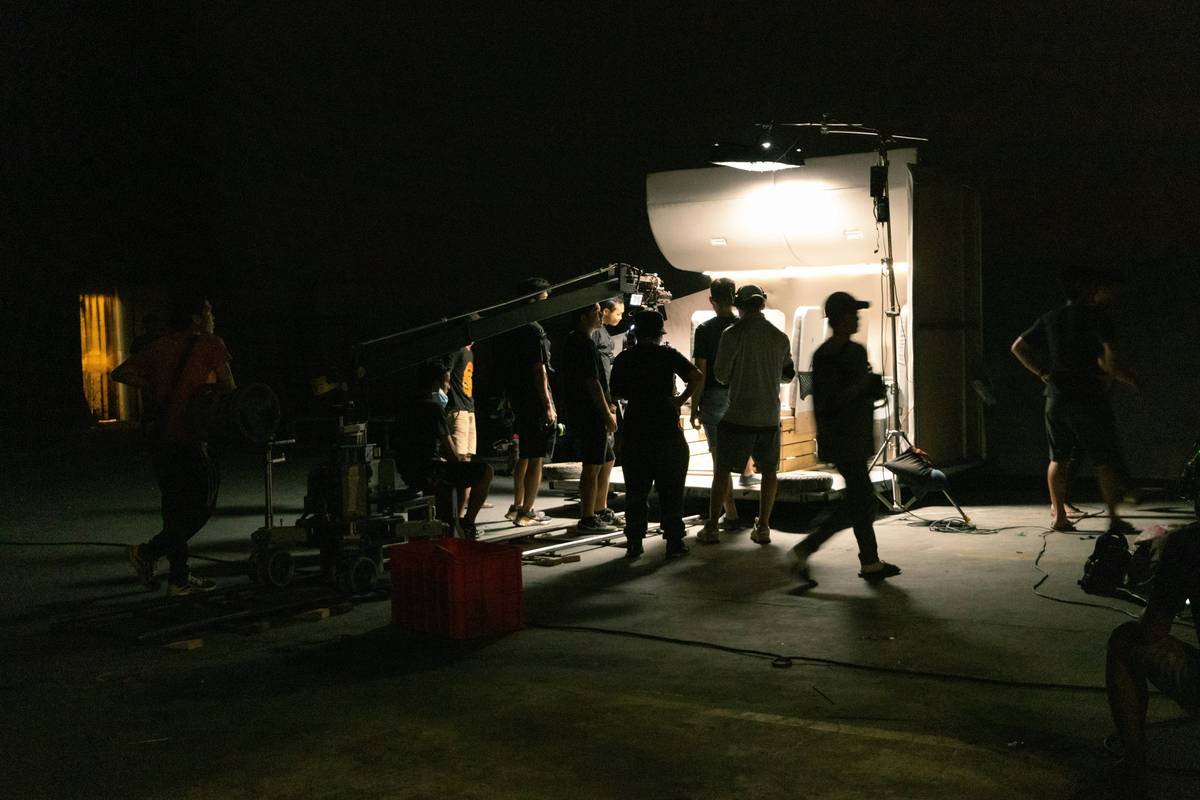
On the flip side, Alex, another filmmaker, invested wisely in robust coverage. When his camera crane malfunctioned, damaging a historic building, his insurer covered the repair costs entirely. Moral of the story? Good insurance pays off.
FAQs About Liability Limits
What Are Liability Limits?
Liability limits refer to the maximum amount an insurer will pay per claim or across multiple claims within a policy period.
How Much Coverage Do I Need?
This depends on factors like project size, location, and risk level. Aim for at least $1 million/$2 million but adjust based on specifics.
Can I Increase My Limits Mid-Project?
Yes, most insurers allow mid-term adjustments, though premiums may increase accordingly.
Conclusion
Film production insurance—and specifically, getting your liability limits right—is non-negotiable. Whether you’re directing blockbusters or short films, adequate coverage ensures peace of mind and protects your wallet from unexpected disasters. So next time you prep for a shoot, remember: Good insurance is chef’s kiss for navigating chaos.
P.S. And if you ever find yourself overwhelmed by terms and conditions, channel your inner 2000s kid: Like a Tamagotchi, your SEO needs daily care.