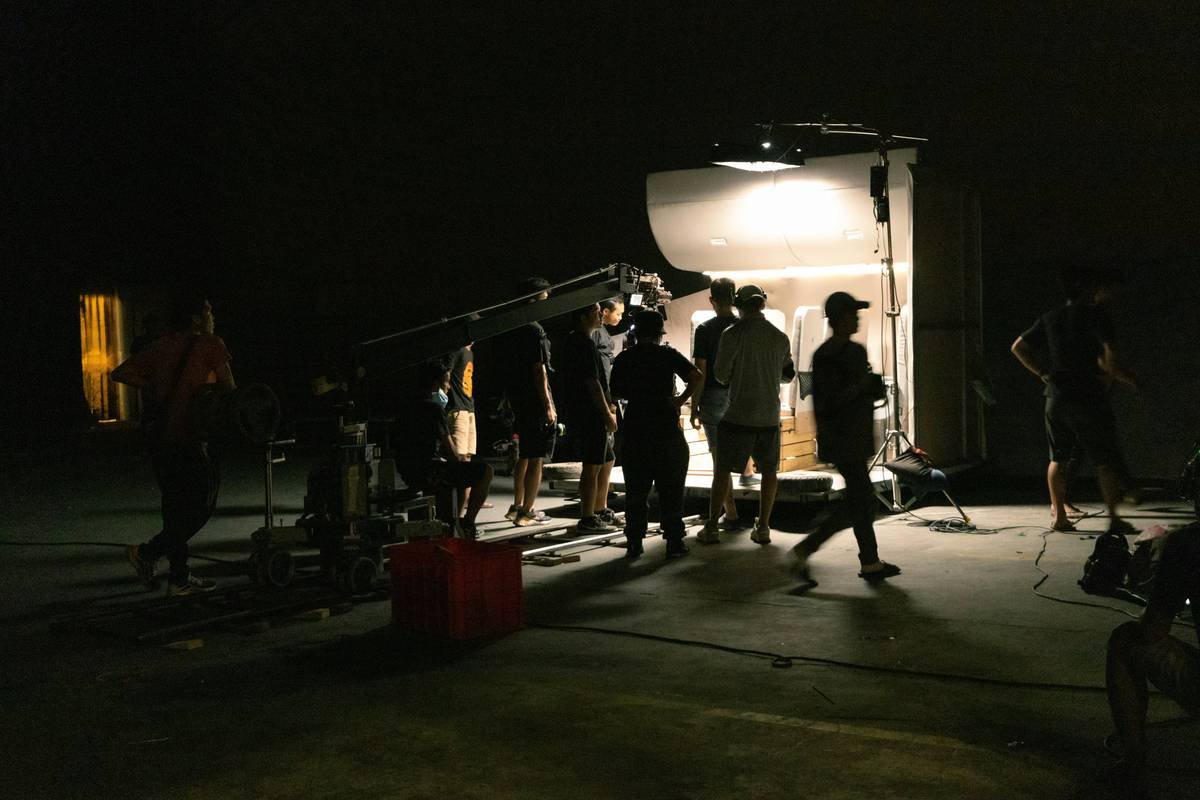
Ever had a film shoot go hilariously wrong because someone tripped over a cable—or worse, the weather decided to unleash chaos? Imagine losing thousands of dollars in equipment, time, and crew labor without any backup plan. Yeah, not fun.
In this post, we’re diving deep into why a solid risk policy for film production insurance is crucial—not just for your creative projects but also for your personal finances. You’ll learn how to identify risks, choose the right coverage, and avoid rookie mistakes that could cost you big-time. Let’s roll!
Table of Contents
- Why Your Film Needs a Risk Policy
- How to Choose the Right Insurance Plan
- Tips for Maximizing Your Coverage
- Real-Life Examples of Insurance Woes (and Wins)
- FAQs About Film Production Insurance
Key Takeaways
- A robust risk policy protects not only your equipment but your financial future as well.
- Not all insurance plans are created equal; tailor them to fit specific filmmaking needs.
- Mistakes happen—don’t compound them by ignoring proper risk management strategies.
Why Your Film Needs a Risk Policy
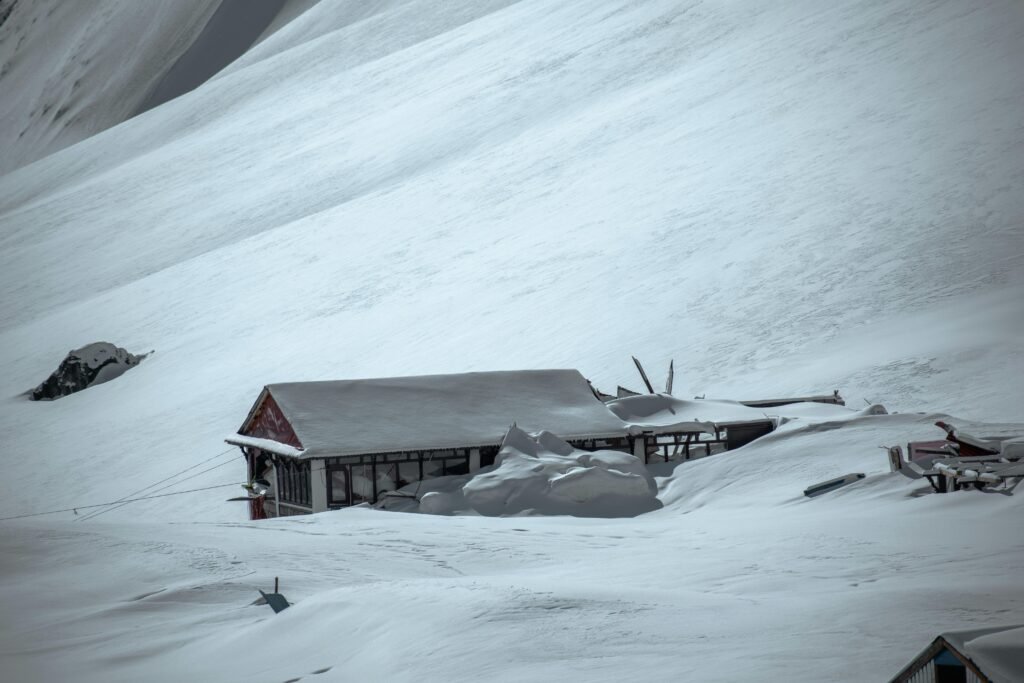
If there’s one thing every filmmaker knows, it’s that Murphy’s Law loves the set. Lights fail, cameras break, actors get sick, and sometimes Mother Nature throws an epic tantrum. Without a comprehensive risk policy in place, these hiccups can turn into costly disasters.
I once worked on a short film where our entire lighting rig fried due to faulty wiring. We didn’t have coverage for accidental damage, so guess who paid out of pocket? Yep. Us. It taught me the hard way that skimping on a solid risk policy is like going skydiving without checking your parachute.
Why Personal Finance Depends on Risk Management
Think about it: if your film project tanks financially, the ripple effects hit your credit cards, savings, and long-term goals. A smart risk policy doesn’t just safeguard equipment—it shields your wallet from unnecessary stress.
How to Choose the Right Insurance Plan
This next part might sound boring, but stick with me—it’s kind of like finding the perfect lens for your next masterpiece. Optimist You: “Follow these steps!” Grumpy You: “Ugh, fine—but only if coffee’s involved.”
Step 1: Assess Your Specific Risks
Do you shoot outdoors? Use expensive gear? Work with large crews? Each factor changes what type of risk policy you need. Start by listing potential risks unique to your projects.
Step 2: Compare Providers
Not all insurers understand the intricacies of filmmaking. Look for companies specializing in entertainment insurance—they know the drill better than general providers.

Step 3: Customize Your Coverage
Don’t settle for generic packages. Tailor your risk policy to include liability, equipment, and even post-production protection. Trust me, editing software crashes too.
The Terrible Tip You Should Avoid
Here’s something dumb people do: opting for the cheapest plan without reading the fine print. I see you nodding. Don’t be “that person.” Cheap often means skimpy coverage when disaster strikes.
Tips for Maximizing Your Coverage
- Document Everything: Take photos of your gear before shoots. Sounds obsessive, but trust me—it helps when filing claims.
- Update Regularly: As your projects grow, adjust your risk policy. Going from indie shorts to feature films? Upgrade accordingly.
- Ask Questions: If terms confuse you (hello, legal jargon), ask your provider until you fully grasp them.
Real-Life Examples of Insurance Woes (and Wins)
Let’s talk about Sarah, a budding filmmaker whose drone crashed mid-shoot. Thankfully, her risk policy covered the loss, saving her thousands. Meanwhile, Tom ignored getting adequate coverage and lost his entire investment after a flood ruined his set. Moral of the story? Be like Sarah.
FAQs About Film Production Insurance
Q: Is film production insurance mandatory?
Absolutely. Many locations and studios won’t let you shoot without proof of a risk policy.
Q: What happens if my insurer denies a claim?
First, cry. Then, review your policy carefully and consult a lawyer specializing in entertainment law.
Q: Can small filmmakers afford good insurance?
Yes! Many providers offer affordable plans tailored to smaller budgets.
Conclusion
Film production insurance isn’t glamorous, but it’s vital for protecting both your creative vision and your bank account. Armed with a solid risk policy, you can focus less on worst-case scenarios and more on making magic happen on screen. Now go forth and create, knowing you’ve got your back covered!
P.S. Speaking of backups, here’s a random haiku for ya:
Rain ruins the set,
Insurance saves your bacon.
Thanks, risk policy!