Ever wondered why your film production insurance quote feels like it was written by a rogue algorithm? Yeah, us too.
Filmmaking is as unpredictable as a plot twist in a thriller—and with great unpredictability comes the need for solid protection. But when you’re staring at an insurance quote that could fund an indie short instead of covering one, it’s easy to feel lost. This post will guide you through navigating film production insurance quotes, so you save money without sacrificing coverage. You’ll learn how to avoid overpaying, decode confusing terms, and secure peace of mind for your next project.
Table of Contents
- Why Does Film Production Insurance Matter?
- 5 Steps to Get Your Perfect Insurance Quote
- Pro Tips for Lower Quotes
- Real-Life Success Stories from Filmmakers
- FAQs About Film Production Insurance
Key Takeaways
- Film production insurance protects against costly risks like equipment damage, accidents on set, or legal liabilities.
- Your insurance quote hinges on factors like shoot locations, cast size, and type of policy.
- Shopping around, bundling policies, and improving safety protocols can lower your premiums significantly.
Why Does Film Production Insurance Matter?
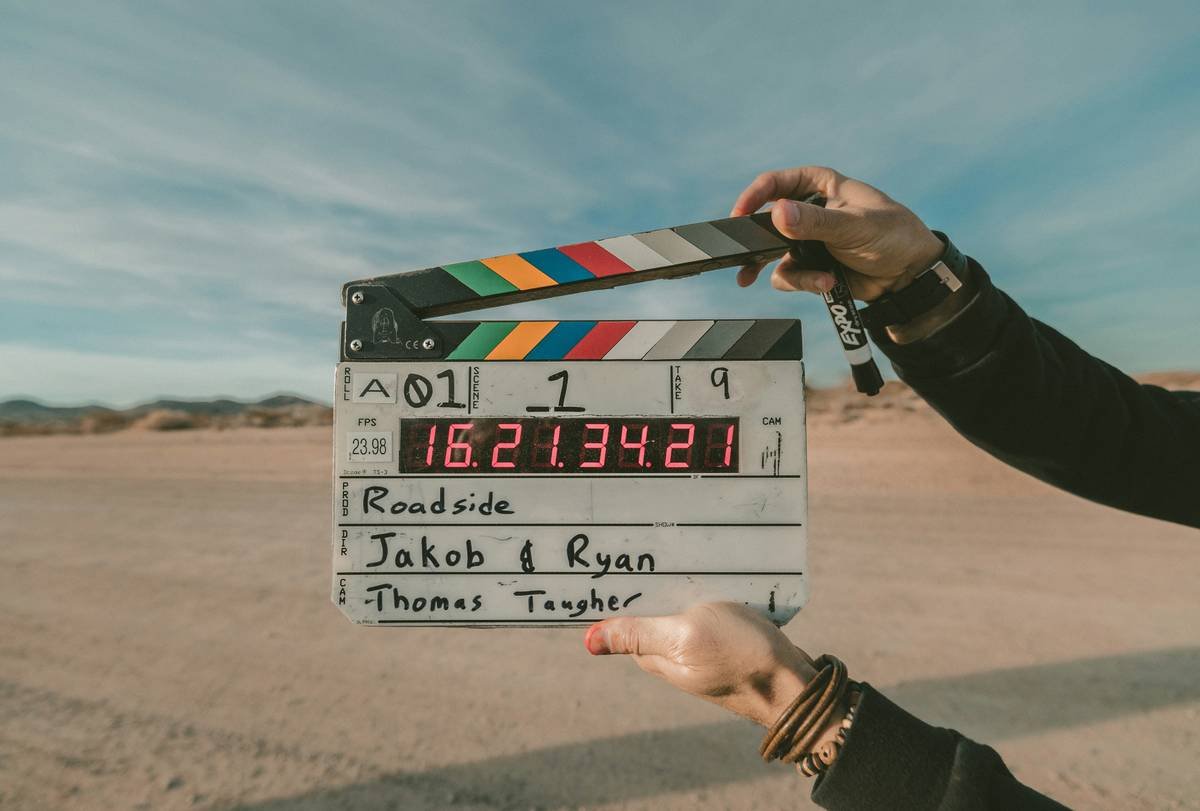
Imagine this: A boom pole slips mid-scene and smashes your lead actor’s phone—or worse, their nose. Suddenly, you’re dealing with medical bills, lawsuits, and a halted production schedule. Sounds fun, right? Not exactly.
Film production insurance isn’t just bureaucratic red tape—it’s a lifeline. From safeguarding expensive cameras to protecting your crew from liability claims, having the right coverage ensures your movie actually gets made. And guess what? The first step in getting protected is nailing down an accurate insurance quote.
Unfortunately, many filmmakers make rookie mistakes early on. I once saw someone insure only the camera but not the lenses (protip: those are pricier than the camera body itself!). Lesson learned? Don’t skimp on understanding your options before signing any dotted lines.
5 Steps to Get Your Perfect Insurance Quote
Optimist You: “Let’s get insured!”
Grumpy You: “Ugh, fine—but only if coffee’s involved.”
Here’s how to navigate the process without losing sleep:
Step 1: Evaluate Your Project Risks
Before even asking for an insurance quote, assess your filming environment. Are you shooting indoors or outdoors? In crowded public spaces or remote areas? More risk = higher premium. Use this cheat sheet:
- Indoor shoots: Cheaper due to fewer variables.
- Remote locations: Riskier because emergency services may take longer to respond.
- Stunts/explosions: Buckle up; these drive costs sky-high.
Step 2: Understand Policy Types
Do you need General Liability, Equipment Coverage, Workers’ Comp, or Errors & Omissions? Each serves a unique purpose:
- General Liability: Covers third-party injuries or property damage.
- Equipment Coverage: Protects gear theft, loss, or malfunction.
- Errors & Omissions: Safeguards against copyright infringement lawsuits.
Step 3: Gather Necessary Documentation
Insurance brokers love paperwork almost as much as directors love calling “cut.” Prepare scripts, budgets, location details, and crew lists to streamline the quoting process.
Step 4: Shop Around
Don’t settle for the first offer—you wouldn’t cast the first actor who auditioned, would you? Compare multiple quotes to find the best rate.
Step 5: Negotiate Like a Pro
This is where being a savvy negotiator pays off. Ask about discounts for bundling policies or implementing robust safety measures.
Pro Tips for Lower Quotes

- Bundling Policies: Combine General Liability and Equipment Coverage into a single package for better rates.
- Safety Protocols: Implementing rigorous safety checks reduces perceived risk, lowering premiums.
- Higher Deductibles: Opt for higher deductibles to reduce monthly payments. Just ensure you can afford them in case of a claim.
- Avoid Overinsuring: Only cover assets worth insuring—don’t waste cash on unnecessary extras.
Warning: One terrible tip floating online suggests skipping formal quotes altogether and relying on verbal agreements. Spoiler alert: That’s a recipe for disaster. Always document everything!
Real-Life Success Stories from Filmmakers
Meet Alex, director of Midnight Run, who saved $500 annually by bundling policies after switching providers. Or Sarah, whose meticulous risk management strategy cut her insurance quote by 20% within six months. These aren’t anomalies—they’re achievable outcomes if you play your cards right.
FAQs About Film Production Insurance
Q1: What Factors Impact My Insurance Quote?
Location, budget, crew size, stunts, and equipment value all influence pricing.
Q2: Should Freelancers Worry About Their Own Coverage?
Absolutely! If freelancing, consider personal liability and gear protection plans.
Q3: How Long Does It Take to Receive a Quote?
Typically 1–3 business days, depending on complexity and documentation provided.
Conclusion
Navigating film production insurance quotes doesn’t have to feel daunting. With the right knowledge and preparation, you can lock in affordable coverage that keeps your creative vision intact. So go ahead—secure that perfect policy and focus on what really matters: making magic happen behind the lens.
P.S.: Like dial-up internet speeds, cheap insurance often leads nowhere fast. Invest wisely, filmmaker friends.
Haiku bonus:
Camera rolls, light flickers,
Insurance covers spills.