
Ever lost an entire day’s shoot because of a freak accident or equipment failure? It happens more often than you’d think. Whether it’s a camera malfunction, stolen gear, or unpredictable weather ruining your set, filmmakers face countless risks every time they step onto location. That’s where asset insurance comes in—a lifesaver that ensures your creativity doesn’t go up in smoke.
In this post, we’ll unpack everything you need to know about asset insurance tailored specifically for film production. You’ll learn why it matters, how to get covered, top tips for maximizing its value, and even some brutal truths about common mistakes (like skimping on coverage just to save a few bucks).
Table of Contents
- Why Asset Insurance Matters in Film Production
- Step-by-Step Guide to Getting Covered
- Tips for Maximizing the Value of Your Coverage
- Real-World Examples of How Asset Insurance Saved Films
- FAQs About Asset Insurance
Key Takeaways
- Asset insurance protects critical investments like cameras, lighting rigs, and props during film production.
- Film-specific policies offer coverage against theft, damage, and unforeseen disasters.
- Mistakes like underinsuring can lead to devastating financial losses—don’t cut corners!
- Real-life case studies prove the importance of proper coverage in high-risk environments.
Why Asset Insurance Matters in Film Production
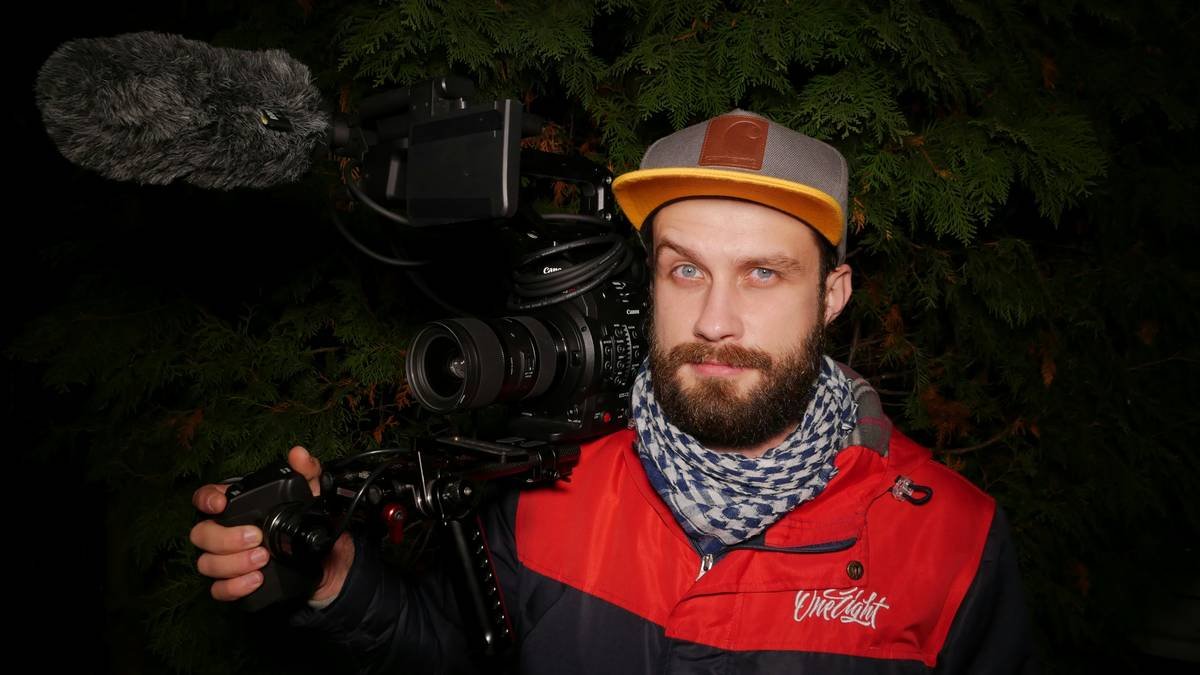
Let me share a personal fail with you—it still stings. Years ago, I worked as a production assistant on a tight-budget indie project. We didn’t have asset insurance, so when one of our lights caught fire mid-shoot (thanks, faulty wiring), we were toast. Literally. Not only did we lose the light rig, but delays cost us thousands. Lesson learned: don’t skip on insurance unless you enjoy stress-induced migraines.
Filmmaking is inherently risky. From expensive cameras worth tens of thousands of dollars to irreplaceable props custom-built for your story, losing these assets could derail your entire project. This isn’t just hypothetical; according to industry reports, over 30% of independent films experience at least one major technical mishap per production cycle.
“Optimist You: ‘Insurance? Nah, nothing bad will happen!’
Grumpy You: ‘Yeah, until your drone crashes into a lake. Then what?’”
Step-by-Step Guide to Getting Covered
Here’s how to lock down comprehensive asset insurance:
Step 1: Assess Your Assets
Create an inventory list of all equipment, including models, serial numbers, and estimated values. Sounds boring, right? But trust me, trying to recall specs after an incident feels like your laptop fan overheating—whirrrr.
Step 2: Research Specialized Policies
Not all insurance plans are created equal. Look for providers specializing in film production insurance. These companies understand unique needs, such as covering rented gear or compensating for reshoots due to damaged materials.
Step 3: Compare Quotes
Don’t settle for the first quote you find! Shop around to ensure competitive pricing without compromising on quality coverage.
Step 4: Review Policy Details Thoroughly
Pay attention to exclusions, deductibles, and claim limits. Ever read fine print that felt longer than War and Peace? Yeah, exactly—don’t skip this part.
Tips for Maximizing the Value of Your Coverage
- Bundle Policies: Combining multiple types of insurance (e.g., liability + asset) can reduce overall costs.
- Regular Updates: Keep your inventory current. Adding new gear? Let your insurer know ASAP.
- Rental Protection: If renting equipment frequently, opt for clauses covering rentals explicitly.
- Terrible Tip Alert: NEVER underpay premiums to save money upfront. Cheaper policies often exclude crucial protections, leaving you exposed when things go sideways.
Real-World Examples of How Asset Insurance Saved Films
Take *Ocean Hearts*, a low-budget drama shot entirely outdoors. Midway through principal photography, a storm destroyed their primary camera and sound equipment. Fortunately, their asset insurance kicked in, replacing everything within days and allowing them to complete filming on schedule.
This example underscores the importance of adequate coverage. Without it, *Ocean Hearts* might’ve ended up as another unfinished passion project gathering dust.
FAQs About Asset Insurance
What Does Asset Insurance Typically Cover?
Equipment, props, wardrobe, sets—basically any physical items used in production.
Is Theft Included in Most Policies?
Yes, most standard policies include theft protection. However, always confirm specific terms with your provider.
Can Independent Filmmakers Afford High-Quality Insurance?
Absolutely! Many insurers offer flexible plans catering to smaller budgets. Just prioritize essential coverages first.
Do I Need Separate Insurance for Rented Gear?
Sometimes. Clarify whether rental items fall under your existing policy or require additional endorsements.
Conclusion
Protecting your creative assets with robust asset insurance isn’t optional—it’s essential. By following the steps outlined above and avoiding rookie mistakes, you’ll safeguard your projects from unexpected setbacks.
“Think of it like a Tamagotchi—your film needs daily care and protection to thrive.”