Ever had your film shoot come to an abrupt halt because a sudden storm rolled in? Yeah, we’ve been there too. Between equipment damage and reshoot costs, storms can leave you scrambling. That’s why “Storm Coverage,” a lifesaver buried deep in film production insurance policies, is something every filmmaker needs to understand.
In this post, we’ll unpack everything related to storm coverage under film production insurance. Whether you’re a seasoned director or a newbie producer, you’ll learn what storm coverage entails, how to secure the best policy, and insider tips for handling those curveballs nature throws your way.
Table of Contents
- Why Storm Coverage Matters for Film Productions
- How to Secure the Best Storm Coverage Policy
- Best Practices for Managing Weather Risks
- Real-Life Examples: Navigating Storm Disruptions
- FAQs About Storm Coverage and Film Production Insurance
Key Takeaways
- Storm coverage protects against unexpected weather delays and damages during film shoots.
- Policies vary; understanding exclusions can save you from financial nightmares.
- Proactive planning combined with proper insurance reduces stress and reshoot chaos.
Why Does Storm Coverage Matter?
When Mother Nature decides it’s time to flex her muscles, filmmakers often take the brunt of it. Let me share a story:
Once upon a time (cue dramatic music), I spent three days setting up cameras on a picturesque beach for an indie short. Day one was golden—perfect lighting, no issues. But day two? BAM. A hurricane warning hit us hard. Not only were we rained out, but salt water also fried $20,000 worth of gear. Spoiler alert: no insurance meant my wallet went MIA faster than the sun behind those clouds.
This confession isn’t just for laughs—it illustrates why securing storm coverage within your film production insurance should be non-negotiable. Without it, minor inconveniences turn into major headaches.
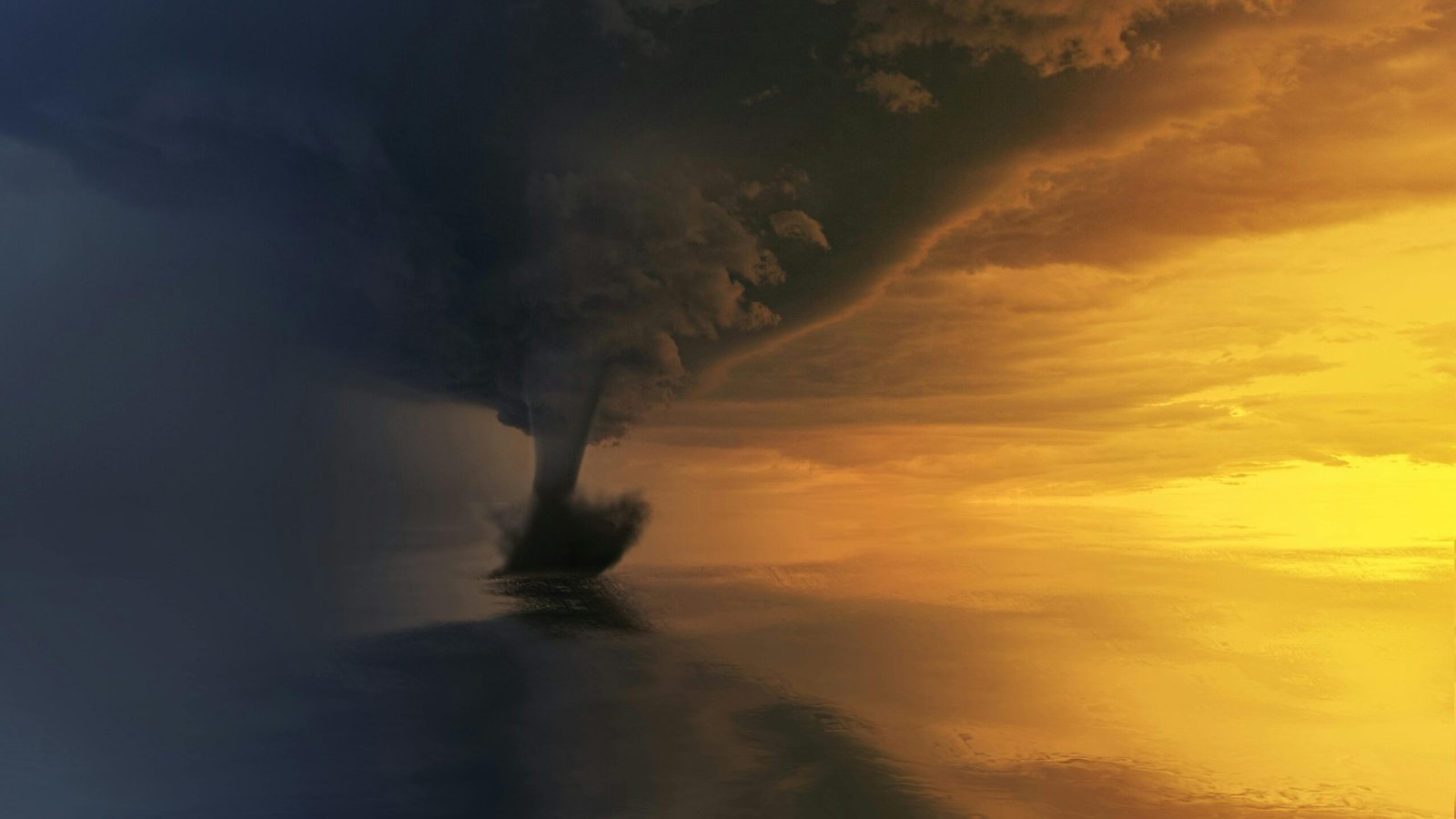
What Exactly Is Storm Coverage?
Storm coverage typically provides compensation for:
- Delayed shoots due to severe weather conditions.
- Damage to equipment caused by high winds, flooding, or lightning strikes.
- Extra expenses required to relocate the production.
Optimist Me: “With storm coverage, you’re prepared for any rainy day scenario!”
Grumpy Me: “Yeah, IF you read the fine print…”
Securing the Right Storm Coverage for Your Project
Getting storm coverage involves more than checking boxes. Here’s a step-by-step guide:
Step 1: Assess Your Project Needs
Carefully evaluate the scale of your project. Are you filming in notoriously unpredictable areas like Florida or coastal zones prone to hurricanes? The riskier the location, the more robust your policy needs to be.
Step 2: Research Insurance Providers
Not all insurers are created equal. Some specialize exclusively in entertainment-related risks while others might consider storm-related claims as secondary coverage. Look for reputable companies experienced in film production insurance.
Step 3: Review Policy Exclusions Carefully
Beware of sneaky loopholes! For example, some policies exclude payouts if storms occur outside a certain radius of your set or fail to meet specific wind speed thresholds.

5 Best Practices for Managing Weather Risks
- Monitor forecasts obsessively. Apps like AccuWeather are your new BFF.
- Create contingency plans for alternative shooting locations.
- Invest in waterproof cases and covers for key equipment.
- Maintain open communication with cast and crew regarding potential disruptions.
- Document EVERYTHING. If disaster strikes, evidence strengthens your claim.
One piece of terrible advice floating online suggests skipping professional insurance altogether since “storms rarely happen.” Ugh. BAD idea. This shortcut could cost thousands later when Mother Nature proves otherwise.
When Storms Strike: Real-Life Case Studies
Let’s dive into two examples that highlight both success and failure stories:
Case Study #1: Indie Hit Saves Big Thanks to Thoughtful Planning
A small indie team secured comprehensive storm coverage before their Appalachian shoot. When unseasonable thunderstorms hit, they received compensation not only for lost footage but also for relocation costs. Result? No budget blowouts.
Case Study #2: Blockbuster Flops Due to Insurance Blindspots
An established studio ignored key clauses in their policy stating that partial refunds applied ONLY after a 48-hour delay. Guess what happened? Twelve hours of rain left them eating their losses WITHOUT reimbursement.

Frequently Asked Questions About Storm Coverage
Q: Will my standard homeowner’s policy suffice for small films?
Nope. Homeowner’s insurance usually doesn’t cover commercial activities like filmmaking. You need specialized coverage tailored specifically for productions.
Q: How much does storm coverage typically cost?
Cost varies based on factors like duration, location, and scope of the project. On average, expect premiums ranging from 2% to 5% of your total budget.
Q: Can I file a claim if storm warnings arrived post-shoot cancellation?
Most policies examine whether actual impacts occurred rather than relying solely on warning systems. Always check your policy language closely!
Conclusion
At the end of the day, storm coverage isn’t just another line item—it’s peace of mind wrapped neatly into a policy form. By understanding its importance, taking actionable steps to secure solid protection, adopting smart practices, and learning from real-world examples, you’ll navigate stormy seas like a pro.
So next time clouds gather, rest assured—you’ve got this. Now go kick off those shoots with confidence. Oh, and don’t forget to grab coffee first. Because…priorities.
Like a Tamagotchi, good film production insurance requires constant care.