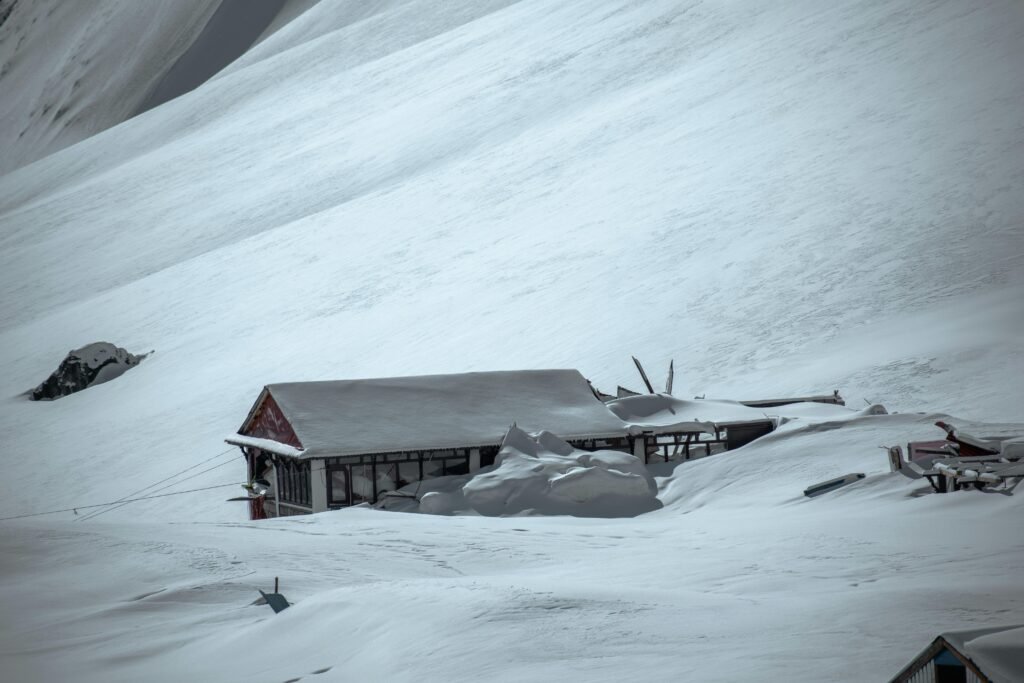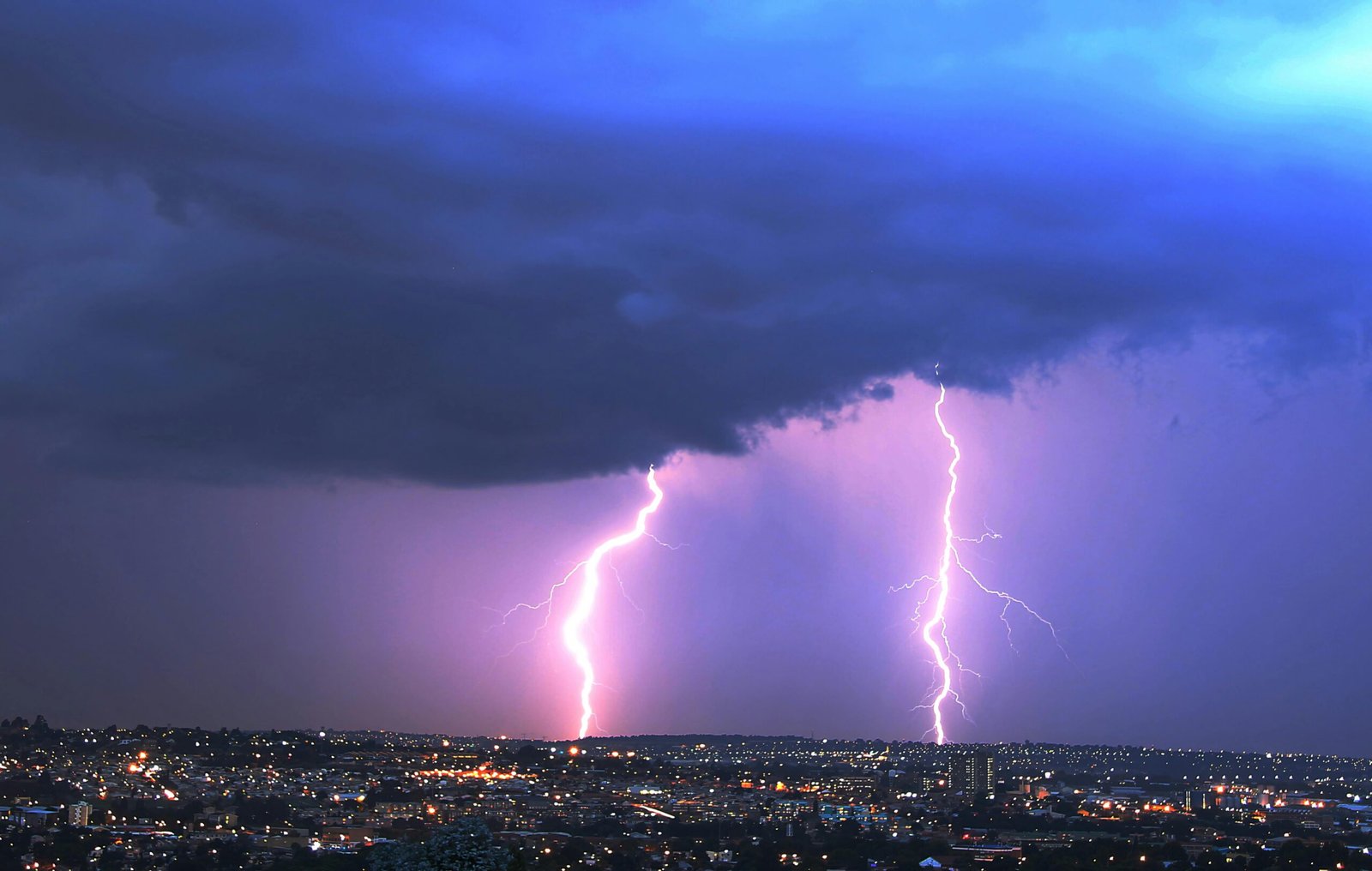
Ever had a multimillion-dollar shoot derailed because of an unexpected rainstorm? Yeah, it’s the stuff of nightmares for any film producer. Weather plays a sneaky villain in the world of production—can you predict its whims before it wreaks havoc? Spoiler alert: You can’t control it, but you sure can prepare for it.
In this article, we’re diving deep into how weather forecasts, combined with smart film production insurance choices, save your budget and sanity. From avoiding “rain day” disasters to understanding policy loopholes, here’s what we’ll cover:
- How unpredictable weather impacts film shoots.
- A step-by-step guide to using weather forecasts effectively.
- Tips on picking the right insurance plan.
- Real-life examples where these tools made all the difference.
- Frequently asked questions about film production risks and coverage.
Key Takeaways
- Reliable weather forecasts are your best friend when scheduling outdoor scenes.
- Film production insurance protects against unforeseen weather interruptions.
- Understanding exclusions saves you from last-minute panic attacks during claims.
Why is Weather Such a Big Deal in Film Production?
“It was supposed to be sunny today,” whispered no producer ever—because optimism rarely works against Mother Nature. Picture this: You’re shooting a pivotal beach scene in Hawaii for your summer blockbuster. The forecast predicts partly cloudy skies. Then, out of nowhere, torrential rain hits, turning your sandy paradise into a muddy mess.
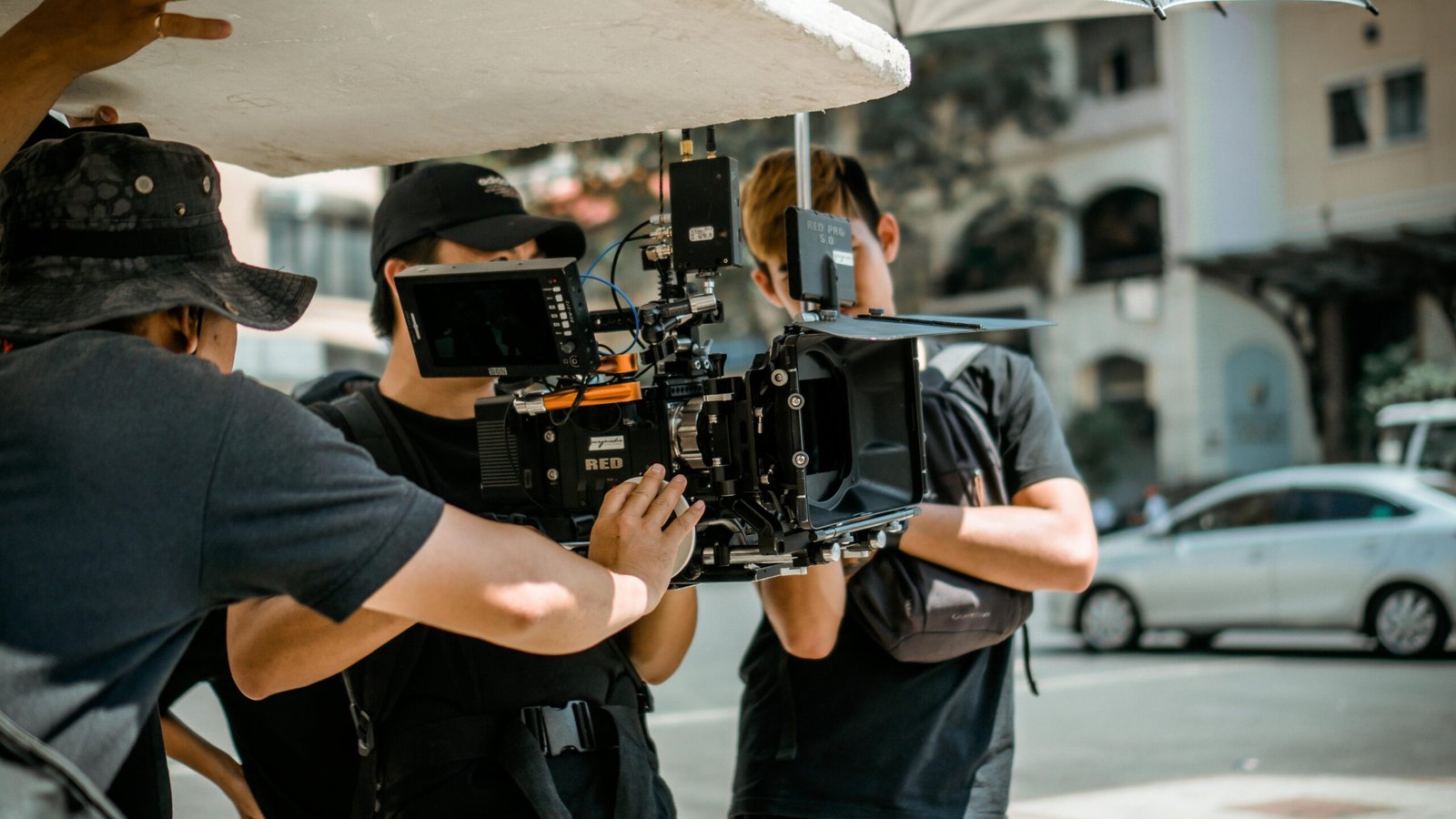
A production crew battling sudden rainfall while securing their gear
This isn’t just inconvenient—it’s expensive! Rescheduling actors, crew, permits, and locations costs thousands (or millions). Now imagine if you didn’t have tailored film production insurance covering weather risks—yikes!
Side note confession: I once ignored the “10% chance of storms” warning because I thought, “Pfft, that’s practically zero.” Guess who lost $20k worth of drone footage thanks to lightning? Lesson learned—the hard way.
Step-by-Step Guide: Using Weather Forecasts Effectively
Sure, checking the weather forecast sounds basic, but mastering it separates amateurs from pros. Here’s how to leverage those predictions:
Step 1: Start Early and Check Multiple Sources
Don’t rely on one app or website. Cross-reference platforms like AccuWeather, Weather.com, and local meteorologists’ updates. Producers swear by hourly services for hyper-localized accuracy.
Step 2: Plan Buffer Days
Optimist You:* Let’s stick to the original calendar; everything will go smoothly.
Grumpy You:* Ugh, fine—but only if you’ve booked backup days!
Always schedule buffer days between key scenes. If the sun gods decide not to cooperate, having extra time ensures minimal disruption.
Step 3: Monitor Weather Patterns Daily
The closer you get to D-day, the more granular your checks should be. Hourly updates help refine call times and even modify scene orders based on conditions.
Top Tips for Choosing Film Production Insurance
Insurance might seem boring compared to storyboards, but trust me, it’s *chef’s kiss* necessary. Here are some tips:
- Know Your Coverage Needs: Does your policy cover equipment damage due to wind? Storm-related delays? Ask these questions upfront.
- Check Exclusions Carefully: Many policies exclude freak events like hurricanes unless specifically added. Don’t skip the fine print.
- Work With Specialists: A general insurance agent won’t understand the nuances of filmmaking. Find brokers experienced in entertainment coverage.

Chart comparing features of three popular production insurance plans
Case Studies: When Weather Predictions Saved the Day
Take the example of indie filmmaker Alex, who used advanced forecasting tools to avoid disaster. Shooting near a river, his team noticed rising water levels hours before shooting started. Thanks to flexible scheduling and robust insurance, they relocated the entire set without missing deadlines.
Another success story involves a Hollywood blockbuster halted mid-shoot by wildfire smoke. Their insurer covered relocation expenses after verifying air quality reports—an unexpected win considering wildfires weren’t part of their initial risk assessment.
FAQs About Weather, Insurance, and Film Production
Q: How far ahead should I check the weather?
A: Begin reviewing patterns at least two weeks out. Zero in on specifics five days prior to filming.
Q: What if my shoot gets delayed despite accurate forecasting?
A: This happens more than anyone likes to admit. Having clear communication channels with cast and crew helps manage expectations, while insurance minimizes financial stress.
Q: Can I insure against extreme weather?
A: Yes, though such clauses often require additional premiums. Discuss customized riders with your provider.
Conclusion
Weather may be unpredictable, but preparation doesn’t need to be. By combining reliable weather forecasts with rock-solid film production insurance, you’ll navigate nature’s chaos like a pro.
Remember: Even superheroes carry capes for emergencies. Keep yours ready.
Like a Tamagotchi, your planning needs daily attention—or else it dies.