Ever thought about what happens if your film shoot gets rained out—or worse, someone gets injured on set? It’s not just a “what if” scenario; it’s a reality many filmmakers face. In fact, over 40% of independent productions experience unexpected setbacks due to unforeseen circumstances. That’s where film production cover comes in—a lifesaver for creatives who need to focus on their craft without worrying about worst-case scenarios.
In this guide, we’ll break down everything you need to know about securing reliable insurance for your projects. You’ll learn why film production cover is essential, how to get the best coverage, and tips to avoid common pitfalls. Let’s dive in!
Table of Contents
- Why You Need Film Production Cover
- Step-by-Step Guide to Getting Insurance
- Top Tips for Choosing the Right Policy
- Real-Life Examples of Film Production Cover in Action
- FAQs About Film Production Cover
Key Takeaways
- Film production cover protects against financial losses from accidents, delays, or damages during shoots.
- Choosing the right policy requires understanding specific risks tied to your project.
- Avoid cheap policies that lack comprehensive protection—they’re often more trouble than they’re worth.
Why You Need Film Production Cover
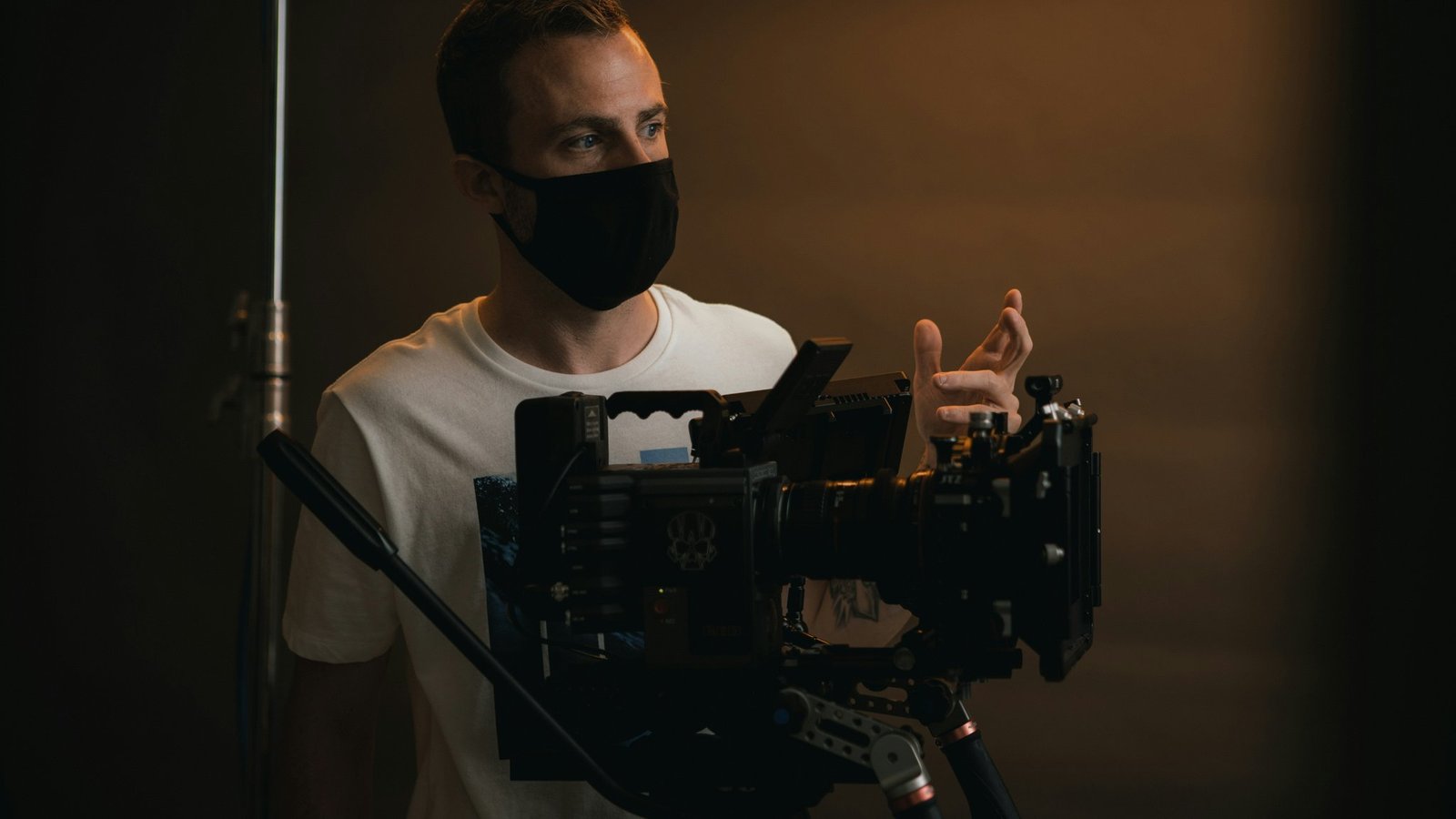
I’ll never forget the time I worked on an indie project where a drone crashed mid-flight, shattering expensive gear. Oops. Thankfully, the team had adequate film production cover. Without it, we’d have been staring at thousands of dollars in repairs—and probably scrapping half the film.
“Optimist You: ‘Insurance sounds boring but necessary.’
Grumpy You: ‘Ugh, yeah—but better than losing sleep over every little mishap.'”*
Film production isn’t just art—it’s business. Accidents happen: weather wreaks havoc, actors cancel last-minute, props disappear. Each hiccup can derail your schedule and budget. A solid film production cover ensures these hiccups don’t become catastrophic disasters.
Step-by-Step Guide to Getting Insurance
Step 1: Assess Your Risks
Ask yourself: What could go wrong? Consider locations, cast size, equipment value, and special effects. High-risk activities (like stunts) require specialized coverage.
Step 2: Research Providers
Not all insurers are created equal. Look for companies specializing in entertainment or media production. Check reviews and ask peers for recommendations.
Step 3: Customize Your Plan
Tailor your plan based on your unique needs. For instance, international shoots demand travel and location-specific coverages. Don’t skimp here!
Top Tips for Choosing the Right Policy
- Vet Your Broker: Ensure your broker understands the nuances of film production. If they suggest a generic business policy, run far away.
- Read Fine Print Carefully: Know exactly what’s covered—and what’s not. Some policies exclude natural disasters or cyber theft.
- Budget Wisely: While cutting costs is tempting, remember: “cheap” doesn’t mean “good.” Paying slightly more upfront saves headaches later.
Pro Tip: Avoid bundled plans unless explicitly tailored to films. They’re often cookie-cutter solutions lacking depth.
Real-Life Examples of Film Production Cover in Action
Case Study: Saved By Coverage
An indie director once shared how their film was saved by insurance after a sudden storm flooded their primary shooting location. Thanks to film production cover, they relocated within days and even upgraded part of their cast housing—all covered under relocation expenses.
Rant Alert: Why Generic Policies Suck
Seriously, why do people think generic policies work for film? Last year, I heard horror stories from a friend whose entire post-production storage drive crashed mid-edit. Their standard plan refused to reimburse data recovery fees. Lesson learned? Always double-check exclusions.
FAQs About Film Production Cover
What Does Film Production Cover Include?
Typically, it includes liability, equipment damage, cast injuries, and weather-related delays. However, specifics vary by provider.
How Much Does It Cost?
Pricing depends on project scale and scope. Expect anywhere from $1,000 to tens of thousands per project.
Is It Mandatory?
For most professional projects, yes. Many studios, distributors, and unions require proof of insurance before signing contracts.
Conclusion
Film production cover might seem like another expense, but it’s actually peace of mind wrapped in a policy. Whether it’s protecting against Mother Nature’s tantrums or covering unexpected medical bills, having the right coverage keeps your creative vision alive.
So next time you prep for a shoot, remember: Your camera may capture frames, but good insurance captures dreams.
Like dial-up internet, bad decisions take forever to recover from—invest wisely in your film production cover today! 🎥✨
“Scenes unfold, cameras roll, yet troubles lie ahead.
Film production cover shields the sparks while you thread.”
– A haiku ode to staying prepared.