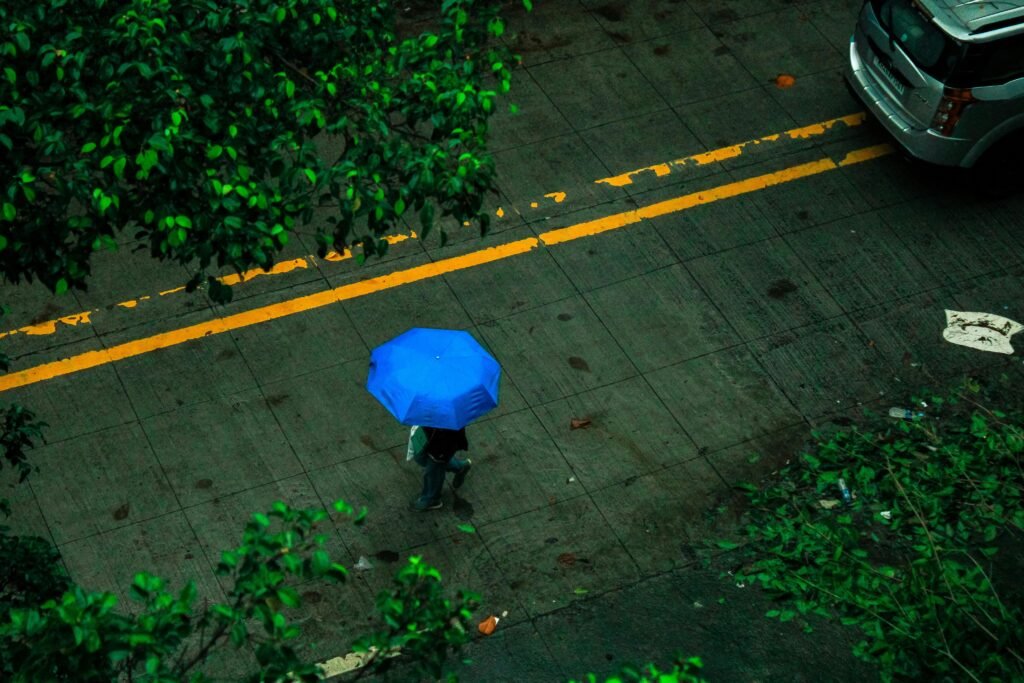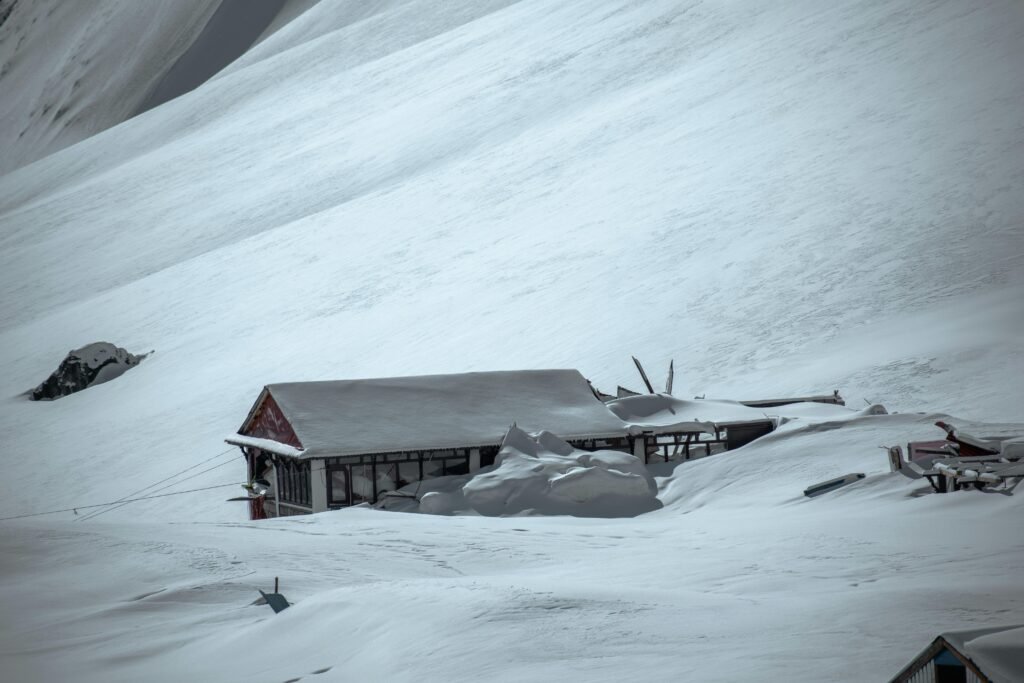
Ever had your dream film shoot turn into a soggy mess because of an unexpected storm? Yeah, we’ve all been there—or at least heard horror stories. Whether it’s your crew scrambling for cover or equipment getting drenched, weather risk can derail even the most meticulously planned production.
This post will dive into how film production insurance can protect you from Mother Nature’s mood swings. We’ll break down why this coverage is essential, what steps to take before filming, tips for choosing the right policy, and more (including some brutal honesty). Ready? Let’s roll!
Table of Contents
- Key Takeaways
- Understanding Weather Risk in Film Production
- Steps to Protect Your Set Against Weather Risk
- Tips for Choosing the Right Film Production Insurance
- Real-Life Examples: How Others Handled Weather Disasters
- FAQs About Film Production Insurance and Weather Risk
- Conclusion
Key Takeaways
- Weather risk poses significant financial threats to outdoor film shoots.
- Film production insurance helps mitigate losses caused by adverse weather conditions.
- Pre-production planning reduces exposure to weather-related risks.
- Always read the fine print on your insurance policy—trust me, it’s worth it.
Understanding Weather Risk in Film Production
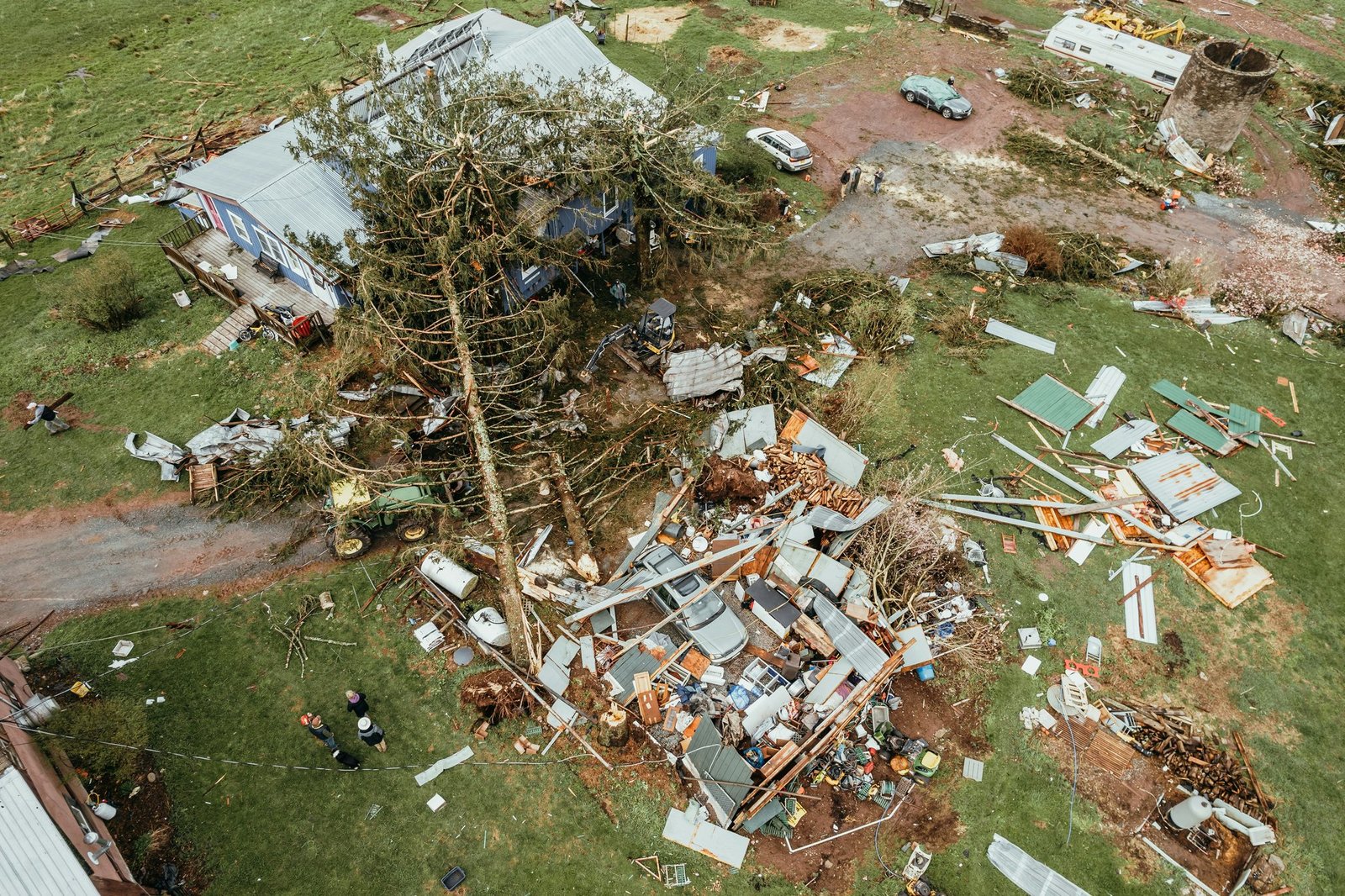
Filmmaking often involves working outdoors where weather unpredictability reigns supreme. One wrong gust of wind or torrential downpour could mean thousands lost in damaged gear, wasted man-hours, and logistical chaos.
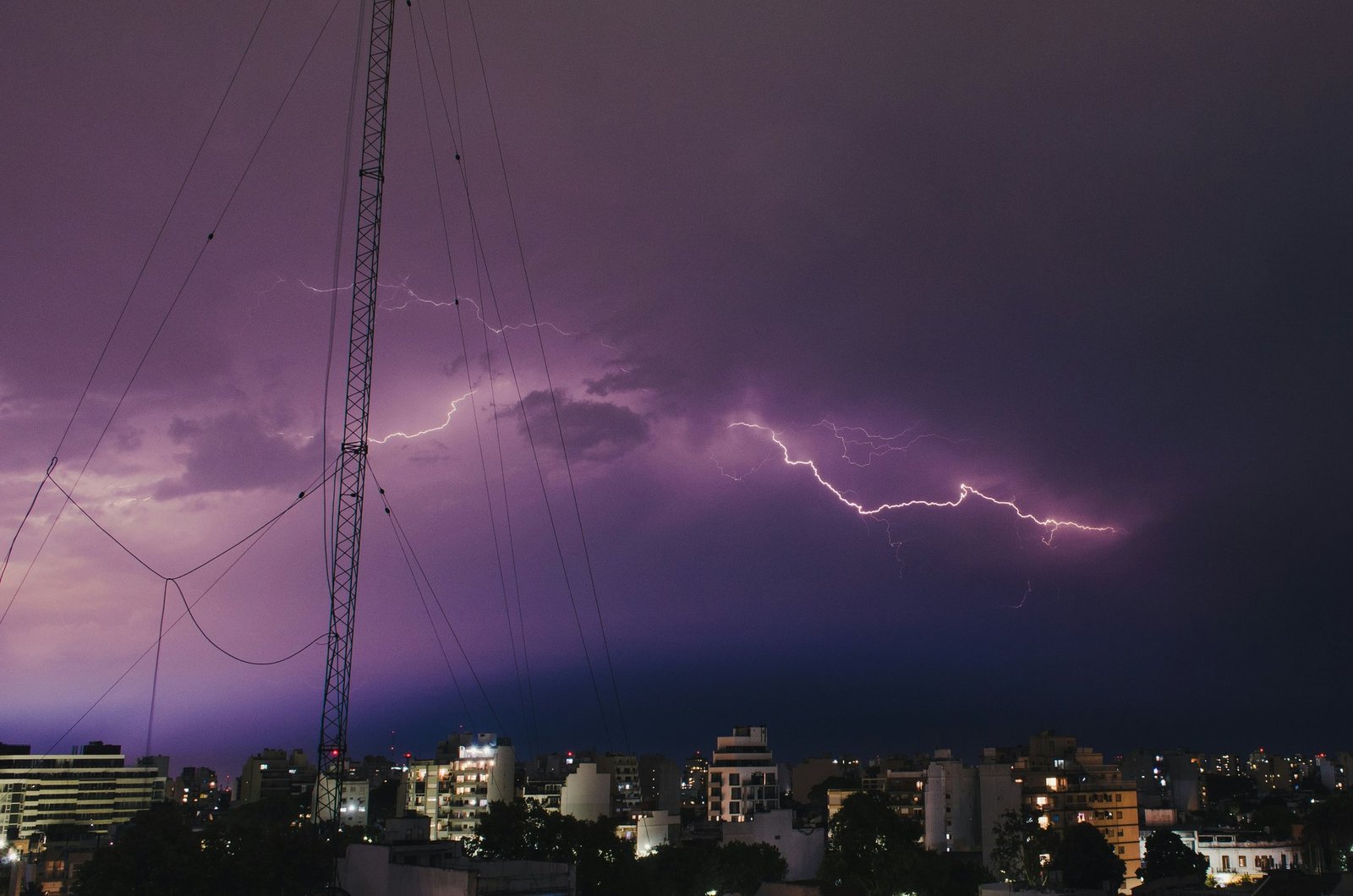
“But doesn’t my standard insurance have me covered?” – Ugh, No.
Here’s the kicker: many basic policies don’t explicitly cover delays due to lousy weather unless you opt for specialized add-ons like weather risk insurance. That’s right—you might think you’re protected, but one rainy day later, you’re out thousands. Ask any seasoned producer—they’ll tell you firsthand about the heartache of not being adequately insured.
Rant Time:
Honestly, I once saw a director try to “tough it out” through hail. The cameras survived… barely. But boy, did he regret skipping proper insurance when his drone crashed mid-flight thanks to high winds. Don’t be that guy.
Steps to Protect Your Set Against Weather Risk
Let’s say you’ve booked the perfect location—a sun-soaked beach at sunrise. Sounds Instagrammable, right? Sure, until clouds roll in and ruin everything. Here’s how to safeguard against such disasters:
Step 1: Scout Locations Strategically
Visit potential sites well ahead of time. Look for natural shelters nearby in case of rain, and check historical weather patterns using apps like AccuWeather or Dark Sky.
Step 2: Invest in Backup Plans
Create contingency plans for each shoot day. What happens if lightning strikes? Where do your actors go? Keep portable tents handy for shade or shelter.
Step 3: Monitor Forecasts Like Your Career Depends On It
Use real-time alerts from meteorologists who specialize in hyper-localized updates. Trust me; obsessive weather-checking becomes second nature after losing two days of shooting due to surprise storms.
Optimist You:
*”Follow these steps, and you’ll conquer every weather challenge!”*
Grumpy You:
*”Yeah, yeah—but only if Murphy’s Law decides to take the day off.”*
Tips for Choosing the Right Film Production Insurance
When shopping for film production insurance, keep these pointers in mind:
- Check Coverage Limits: Ensure your policy covers both equipment damage AND delay costs associated with bad weather.
- Read Reviews: Not all insurers are created equal. Some offer better claims processes than others.
- Ask About Deductibles: Lower premiums may sound tempting, but higher deductibles could bite you later.
Note: NEVER skimp on vetting your provider. A cheap deal isn’t worth crying over unpaid claims later. True story—I worked with a client who saved $500 upfront only to lose $50k+ during hurricane season. Chef’s kiss disaster.
Real-Life Examples: How Others Handled Weather Disasters
In 2022, Indie filmmaker Sarah Cole faced a freak blizzard while shooting her debut feature in rural Colorado. Thanks to comprehensive weather risk insurance, she recovered nearly all costs incurred from rescheduling scenes and repairing waterlogged lighting rigs.
Compare that to another newbie director who tried DIY weatherproofing tactics instead of opting for insurance. Spoiler alert: His budget tanked faster than a popcorn flick at the box office.
FAQs About Film Production Insurance and Weather Risk
Does film production insurance always include weather-related coverage?
Nope. Many base policies exclude specific perils like floods or excessive heatwaves. Always clarify exclusions upfront.
How much does weather-specific insurance cost?
Pricing varies based on project size, location, and duration. Budget anywhere from $500-$5,000 monthly.
Can I file claims retroactively if something goes wrong?
Unfortunately, no. Ensure you purchase coverage BEFORE starting principal photography.
Conclusion
From hurricanes to heatwaves, weather risk remains an unavoidable part of outdoor filmmaking. But armed with good planning, smart investments in insurance, and plenty of coffee, you can face those challenges head-on. Remember: preparation beats panic every time.
So next time you prep for a shoot, channel your inner survivalist—and maybe cue up “Jaws” music as ominous clouds gather overhead.
Like finding Waldo in frame 178, protecting yourself from weather disasters takes dedication. Stay sharp out there, filmmakers!
Haiku Time:
Rain ruins the takes,
Insurance saves your bacon.
Cheers to dry edits.