Ever had a $50,000 camera lens shatter on set? Or worse, an actor trip over equipment and sue you for damages? If not, count yourself lucky—but don’t count on that luck lasting forever.
In this post, we’ll tackle why having the right insurance policy is non-negotiable in film production. From understanding coverage options to avoiding rookie mistakes (yes, even experienced producers make them), you’ll learn how to protect your projects—and wallet. Buckle up!
Table of Contents
- Why Does an Insurance Policy Matter in Film Production?
- Types of Insurance Policies Every Producer Needs
- How to Choose the Perfect Insurance Policy for Your Project
- Best Practices for Managing Your Insurance Policy
- Real-Life Lessons from Successful Productions
- Frequently Asked Questions About Insurance Policies
Key Takeaways
- An insurance policy isn’t just a safety net—it’s peace of mind for unpredictable filmmaking scenarios.
- Common types include general liability, equipment insurance, workers’ compensation, and errors & omissions coverage.
- Avoid cheap policies at all costs—they often leave you exposed when disaster strikes.
Why Does an Insurance Policy Matter in Film Production?
I once produced a short film where everything went wrong—literally EVERYTHING. Rain flooded our location, a light stand tipped onto an actor (thankfully minor injuries), and someone *cough* borrowed *cough* my drone without asking (*spoiler*: it crashed). Had I not invested in a solid insurance policy, I’d still be paying off debts today.
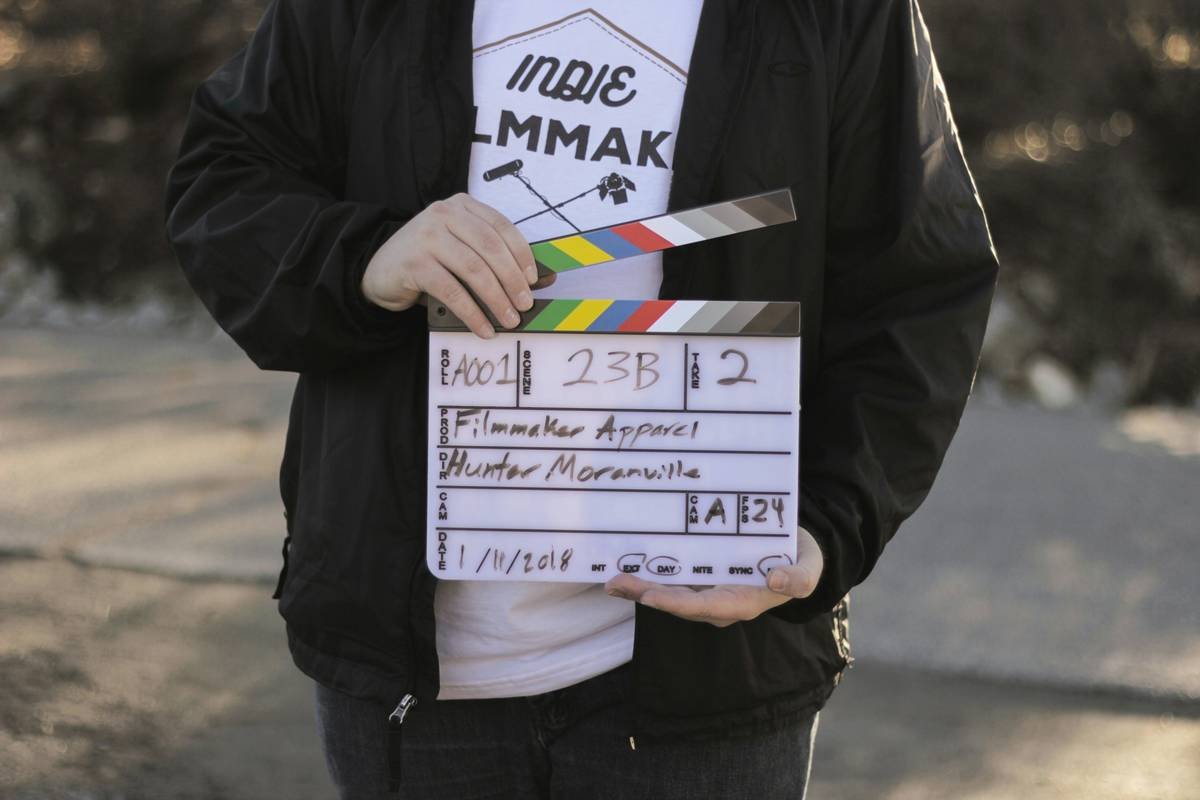
Pictured above: A film crew setting up high-value equipment that could easily get damaged without proper coverage.
The reality? Accidents happen. Whether it’s stolen gear, injuries on set, or third-party property damage, every filmmaker needs protection.
“Optimist Me”: “You’ll breeze through any setbacks!”
“Grumpy Me”: “Sure—if you’ve got deep pockets and no caffeine withdrawal.”
Types of Insurance Policies Every Producer Needs
- General Liability Coverage: Protects against bodily injury, property damage, and advertising harm.
- Equipment Insurance: Covers cameras, lenses, drones, mics—the works.
- Workers’ Compensation: Essential if hiring staff; it covers medical bills and lost wages due to work-related injuries.
- Errors & Omissions (E&O): Guards against legal claims related to copyright infringement or defamation.
How to Choose the Perfect Insurance Policy for Your Project
- Assess Risks: Ask yourself, “What could go wrong?” Brainstorm worst-case scenarios specific to your shoot.
- Compare Quotes: Don’t settle for the first quote you find online. Shop around like a hawk scanning rooftops for mice.
- Read Fine Print Carefully: Avoid hidden clauses that exclude common risks like natural disasters or equipment theft.
TERRIBLE TIP: Go With the Cheapest Option
DO NOT DO THIS. The cheaper the policy, the higher chance it’ll leave you hanging mid-crisis. Remember: You get what you pay for.
Best Practices for Managing Your Insurance Policy
- Document Everything: Snap photos of equipment before shoots as proof-of-condition.
- File Claims ASAP: Delayed reporting can void your claim entirely.
- Review Annually: Production needs evolve. Update your policy regularly.
Real-Life Lessons from Successful Productions
In 2019, indie director Alex Lee faced a nightmare scenario when her entire sound kit was stolen during pre-production. Thanks to robust equipment coverage, she replaced everything within weeks—saving her film’s release date.
On the flip side, veteran producer Tony Jones skipped insuring extras on his low-budget feature. One minor accident later? Legal fees ate up his profit margin faster than popcorn disappears at a movie premiere.
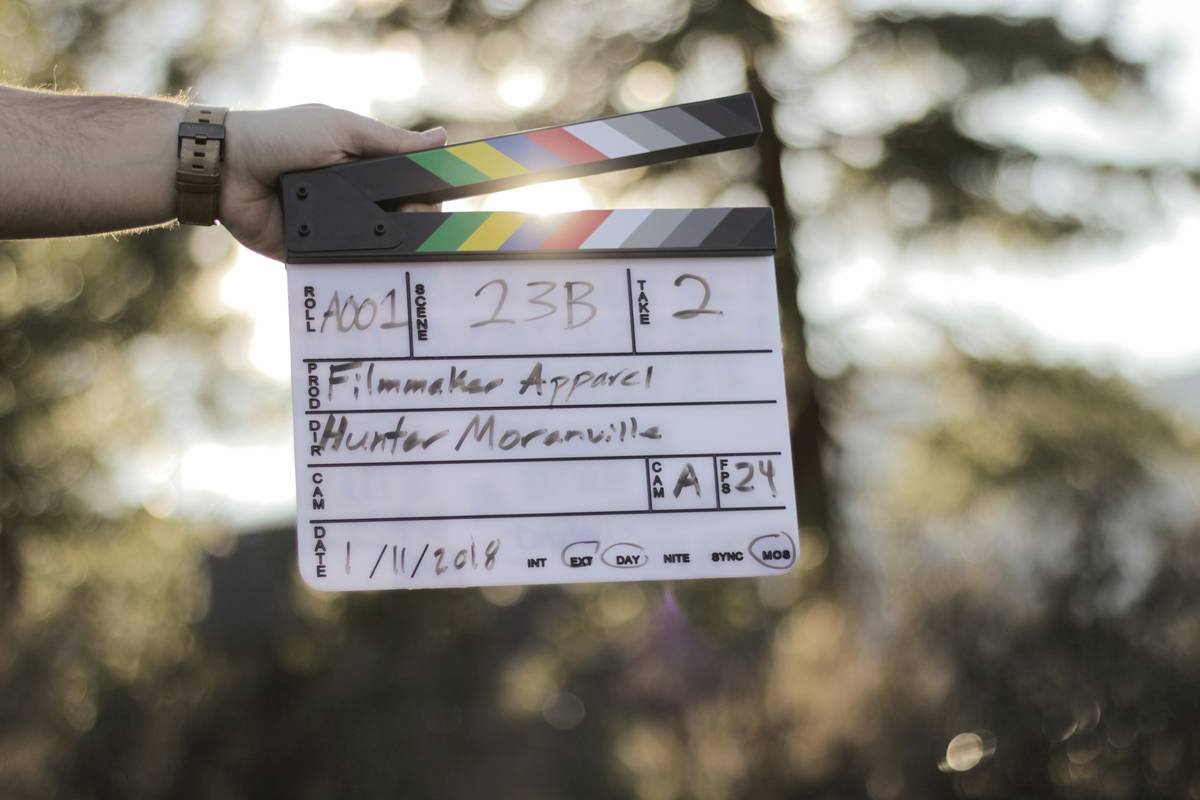
Pictured above: An empty workspace symbolizing stolen or missing equipment—an avoidable catastrophe with the right insurance policy.
Frequently Asked Questions About Insurance Policies
Q1: Do I Need Separate Coverage for Each Shoot Location?
Yes, especially if moving between states or countries, as regulations vary widely.
Q2: Can Freelancers Get Their Own Equipment Insurance?
Absolutely! Look into standalone policies tailored for freelancers.
Q3: Is E&O Coverage Only Necessary for Big Studios?
Nope. Even small projects risk lawsuits over intellectual property issues.
Conclusion
Investing in the right insurance policy might feel overwhelming, but think of it as buying calm instead of chaos. With the insights shared here, you’re ready to choose wisely and safeguard your art.
Like dodging spoilers while binge-watching Breaking Bad, protecting your films requires some strategy—but trust me, the payoff is worth it.
Bonus Haiku:
Lights flicker, rain pours.
Insurance saves dreams intact,
Roll credits, stress-free.