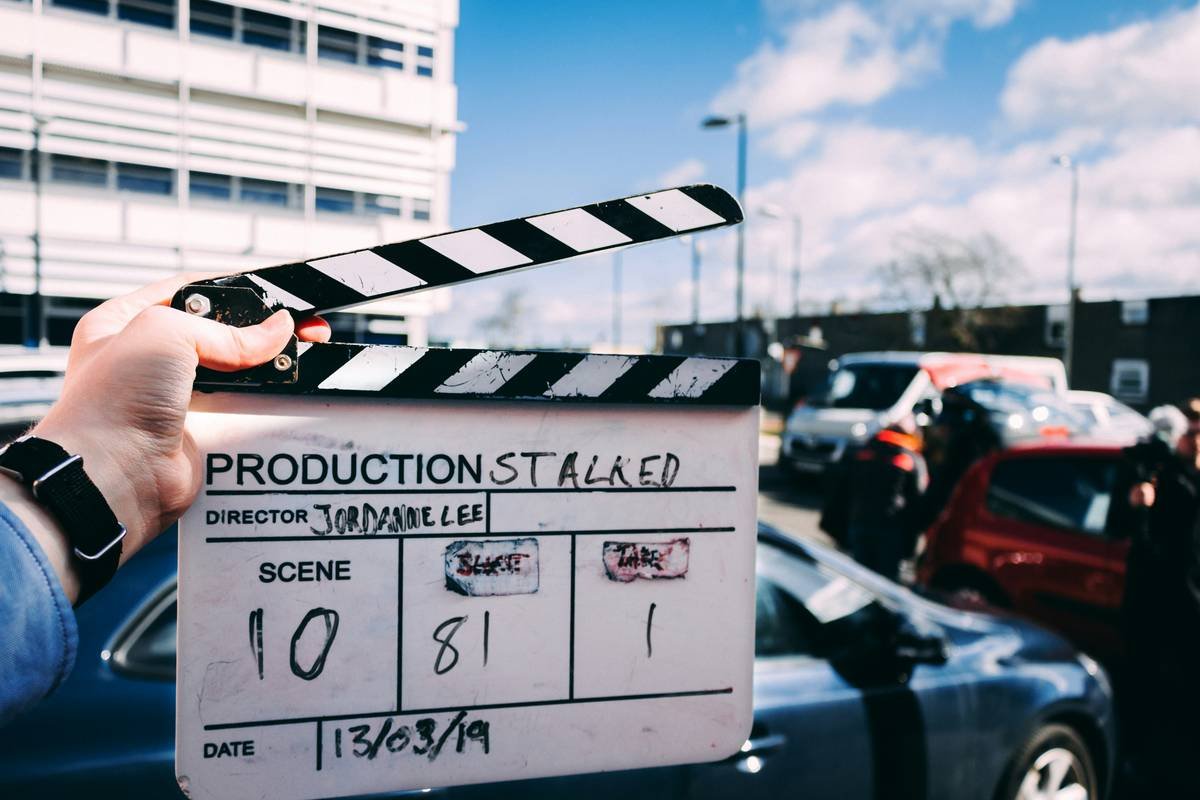
Ever had a drone crash into an actor during a crucial scene? We didn’t—but we’ve worked with people who did. Talk about awkward (and expensive).
Filmmaking is risky business, whether you’re shooting a Hollywood blockbuster or your indie passion project. Equipment failures, accidents on set, weather mishaps—they all add up to potential disasters if not properly insured. That’s where risk insurance comes in as the unsung hero of film production. In this guide, you’ll learn why risk insurance matters, how to get it right, and some brutally honest tips along the way.
Table of Contents
- Why Risk Insurance Matters for Film Production
- Step-by-Step Guide to Choosing the Right Insurance
- Tips & Best Practices for Managing Risk Insurance
- Real-World Examples: Lessons from the Trenches
- Frequently Asked Questions About Film Production Risk Insurance
Key Takeaways
- Risk insurance protects against unexpected costs like equipment damage, injuries, or delays.
- Different policies cater to specific needs—from general liability to specialized stunt coverage.
- Choosing the wrong policy can cost more than just money—it could derail your entire project.
- Be proactive about understanding exclusions and tailoring coverage to your unique production.
Why Does Risk Insurance Matter for Film Production?
Film productions are chaotic by nature, and even the best-laid plans can go awry. Imagine spending months prepping for a big shoot, only to have rain wipe out $50,000 worth of rented gear—or worse, someone getting injured because no one thought to secure permits properly.

“Optimist You:” “It won’t happen to me!”
“Grumpy You:” “Ugh, famous last words.”
Here’s the deal: Insurance isn’t glamorous, but neither is paying out-of-pocket for lawsuits or ruined equipment. Risk insurance acts as a safety net, letting you focus on creating great content without constantly worrying about what might go wrong.
A Personal Fail Worth Sharing
One time, I helped produce a short film where we skipped proper location permits. Fast forward two days later—an angry neighbor called the cops mid-shoot, halting everything. Not only did we lose valuable filming time, but fines piled up quickly. Lesson learned: Cutting corners on legalities means inviting trouble. Proper risk insurance would’ve covered those fines easily.
Step-by-Step Guide to Choosing the Right Insurance
Okay, let’s dive into the nitty-gritty. How do you pick the right type of risk insurance? Follow these steps:
Step 1: Assess Your Specific Needs
Ask yourself:
- What kind of scenes am I shooting? (Stunts? Water? Animals?)
- How much gear am I using, and who owns it?
- Are there any unusual locations involved?
Step 2: Research Types of Coverage
From General Liability to Workers’ Comp, different policies cover different issues. For example:
- General Liability: Covers third-party bodily injury or property damage.
- Equipment Floater: Protects expensive cameras and lighting rigs.
- Errors & Omissions: Shields you from copyright claims.
Step 3: Compare Quotes
Shop around! Different insurers offer wildly varying rates based on experience level, budget size, and other factors. Pro tip: Use brokers specializing in entertainment insurance—they know the industry inside-out.
Tips & Best Practices for Managing Risk Insurance
- Don’t Skimp on Documentation: Keep receipts, contracts, and proof of ownership handy. You’ll need them when filing claims.
- Understand Exclusions: Every policy has fine print. Read carefully so you don’t assume coverage where none exists.
- Tailor Coverage: Generic packages rarely fit perfectly; customize yours to match your exact needs.
- Terrible Tip Disclaimer: Some producers think “going bare” saves cash. Sure, until something goes horribly wrong—which it inevitably does.
A Rant About Cutting Corners
Listen, I get it—budgets are tight. But skipping insurance because “it’s too expensive”? That’s gambling with thousands (if not millions) of dollars. Trust me, trying to explain to investors why their funds vanished due to preventable mishaps never ends well.
Real-World Examples: Lessons from the Trenches
Case Study #1: The Exploding Drone Incident
A low-budget indie crew decided against insuring their drone fleet. Predictably, one malfunctioned mid-flight, crashing spectacularly onto a car below. Repair costs? Over $7K—not including legal fees. A basic equipment floater policy could’ve prevented financial ruin.
Case Study #2: When Mother Nature Strikes
Another team ignored advice to add weather contingency clauses to their policy. One freak storm flooded their primary set, destroying props, costumes, and sets. Total loss: $20K+. Again, avoidable with proper planning.
Frequently Asked Questions About Film Production Risk Insurance
Q: Is risk insurance mandatory for all productions?
A: While not legally required everywhere, most studios, distributors, and locations will demand it before greenlighting projects.
Q: Can smaller crews afford decent coverage?
A: Yes! Many providers tailor affordable options specifically for independent filmmakers. Look for flexible pay-as-you-go plans.
Q: What happens if I file a claim?
A: After submitting evidence/documentation, your insurer investigates and processes payouts within weeks (or sooner).
Conclusion
Risk insurance may seem boring compared to lights, cameras, action—but ignoring its importance is asking for disaster. By assessing your needs, comparing quotes, and tailoring policies accordingly, you ensure smooth sailing through even the murkiest waters.
So next time you prep for a shoot, remember: Your biggest asset isn’t talent—it’s preparation. And part of that prep is having the right protections in place.
And now, for our final Easter egg…
Like loading Neopets on dial-up, securing risk insurance takes patience—but pays off big time.