Ever had your film shoot come to a grinding halt because an actor got injured, equipment broke down, or footage went missing? Yeah, it happens more often than you’d think. Imagine pouring months of hard work and thousands of dollars into a project only for one unforeseen disaster to wipe everything out. That’s where film protection comes in—your safety net against chaos.
In this guide, we’ll dive deep into the world of film production insurance, uncover why it’s non-negotiable, and show you how to choose the best coverage for your projects. By the end, you’ll know exactly what steps to take to keep your set—and sanity—intact.
You’ll learn:
- The hidden risks that could derail your film (and cost big bucks)
- A step-by-step process for getting insured
- Tips to avoid rookie mistakes when shopping for policies
- Real-world examples of films saved by smart insurance choices
Table of Contents
- Key Takeaways
- Why Film Protection Matters
- How to Get Insured for Your Next Project
- Top Tips for Smart Coverage Decisions
- Case Studies: When Film Protection Saved the Day
- FAQs About Film Protection
Key Takeaways
- Film protection insurance protects against unforeseen disasters like injuries, damaged gear, or lost footage.
- Policies vary widely; ensure yours covers all aspects of your project.
- Choosing inadequate coverage can lead to financial ruin.
- Real-world case studies prove that having proper film protection pays off dramatically.
Why Film Protection Matters
Filmmaking is unpredictable. One minute, you’re capturing golden-hour magic; the next, someone trips over cables, shattering lenses worth thousands. Or worse—a freak storm destroys props mid-shoot. These scenarios aren’t just nightmares—they happen daily on sets worldwide.
“Optimist You:” “No worries! My crew knows their stuff.”
“Grumpy Me:” Ugh, even pros slip up sometimes.
Let me share something embarrassing: Early in my career, I decided to “save money” by skipping insurance. What happened? A camera operator accidentally dropped our drone mid-flight during a key aerial shot. The repair bill? $8,000. Lesson learned—the hard way.
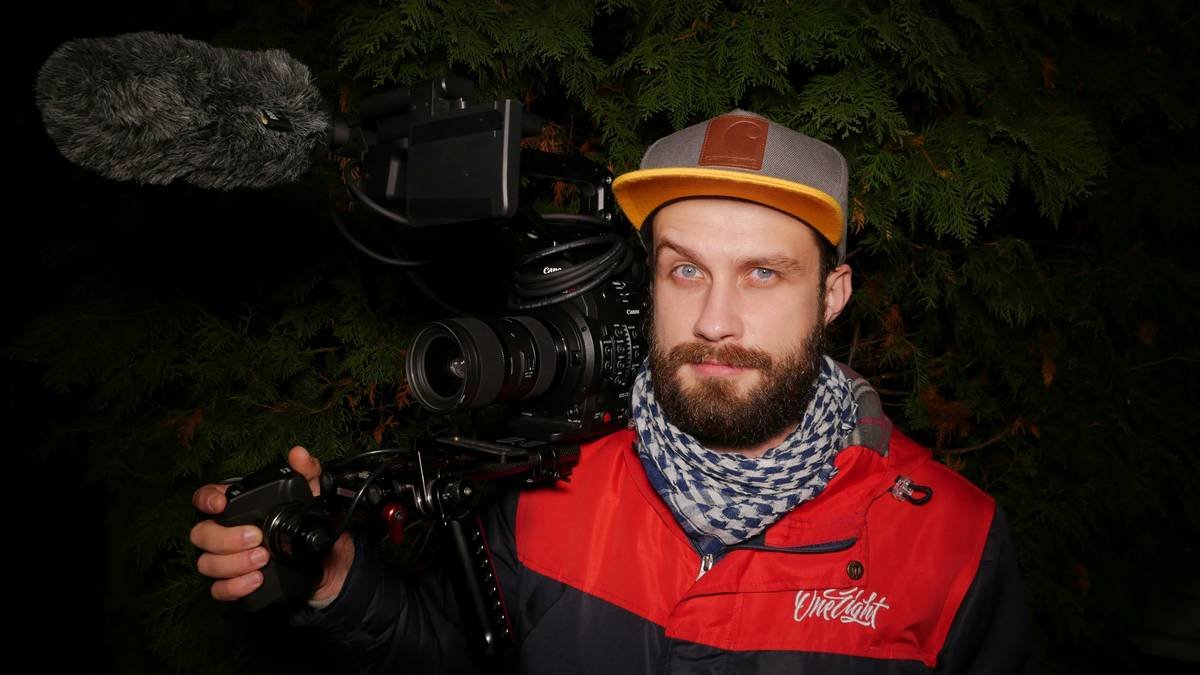
This sensory overload hits fast: panicked voices shouting, cameras clicking frantically, phones buzzing as producers call suppliers. Without film protection, these incidents turn catastrophic.
How to Get Insured for Your Next Project
Getting insured doesn’t have to feel overwhelming. Follow these simple steps:
Step 1: Assess Your Risks
Create a list of potential hazards unique to your project. Consider:
- Crew size & experience level
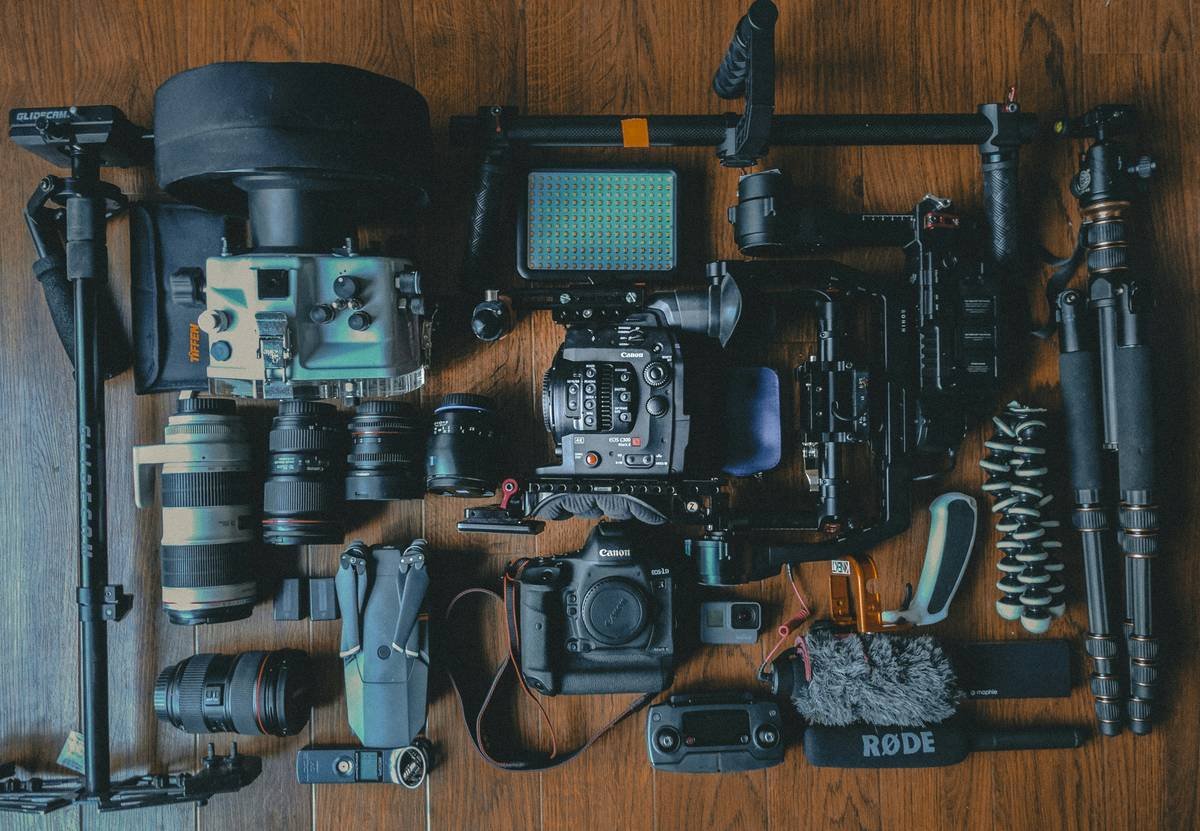
- Equipment value
- Shooting location challenges (urban vs remote)
Step 2: Choose the Right Policy Type
Common options include:
- General Liability: Protects from third-party claims.
- Equipment Insurance: Covers gear theft/damage.
- Workers’ Comp: For on-set accidents.

Step 3: Shop Around
Get quotes from multiple providers. Trust me—this step alone can save hundreds.
Step 4: Review Details Carefully
Read fine print thoroughly. Some policies exclude acts of God, drones, or dangerous stunts.
“Optimist You:” “This policy looks great!”
“Grumpy Me:” Did you actually read the exclusions? No? Go check again.
Top Tips for Smart Coverage Decisions
- Don’t Skimp! Cheaper isn’t better if it leaves you unprotected.
- Work with specialized brokers who understand entertainment needs.
- Always disclose risky activities upfront. (Yes, base jumping counts!)
*Terrible Tip Alert:* Don’t try hiding details to lower premiums—it backfires. - Bundle policies whenever possible for discounts.
RANT TIME. Ever seen generic home/business insurance trying to pass itself off as legit film protection? It drives me nuts. If they don’t mention locations, custom riders, or industry-specific language, RUN AWAY.
Case Studies: When Film Protection Saved the Day
Case Study #1: Indie filmmaker Sarah had her entire cast quarantined due to Covid exposure. With her policy covering delays, she rescheduled without losing financing.
Case Study #2: Action flick producers destroyed two cars in stunt rehearsals. Thanks to comprehensive auto protection included in their film insurance, replacements were covered fully.
Sounds chef’s kiss, right?
FAQs About Film Protection
What does film protection typically cover?
Most policies cover liability, equipment damage, legal fees, and weather delays.
Is film protection mandatory?
For big-budget productions, yes. Many investors require proof of insurance before funding.
Can independent filmmakers afford it?
Absolutely. Policies start at affordable rates depending on scope.
Are drones covered under standard plans?
Nope. Look for specialized add-ons.
Conclusion
Film protection isn’t optional—it’s essential. From shielding your budget to safeguarding creativity, smart insurance ensures your movie makes it to the screen intact. So whether you’re shooting blockbusters or indie shorts, make sure you’ve got your back protected.
Like a Tamagotchi, your film’s life depends on daily care—including top-notch insurance.
Haiku Time:
Lights, camera… oh no!
Gear breaks, storms rage—but wait,
Insurance saves the day.