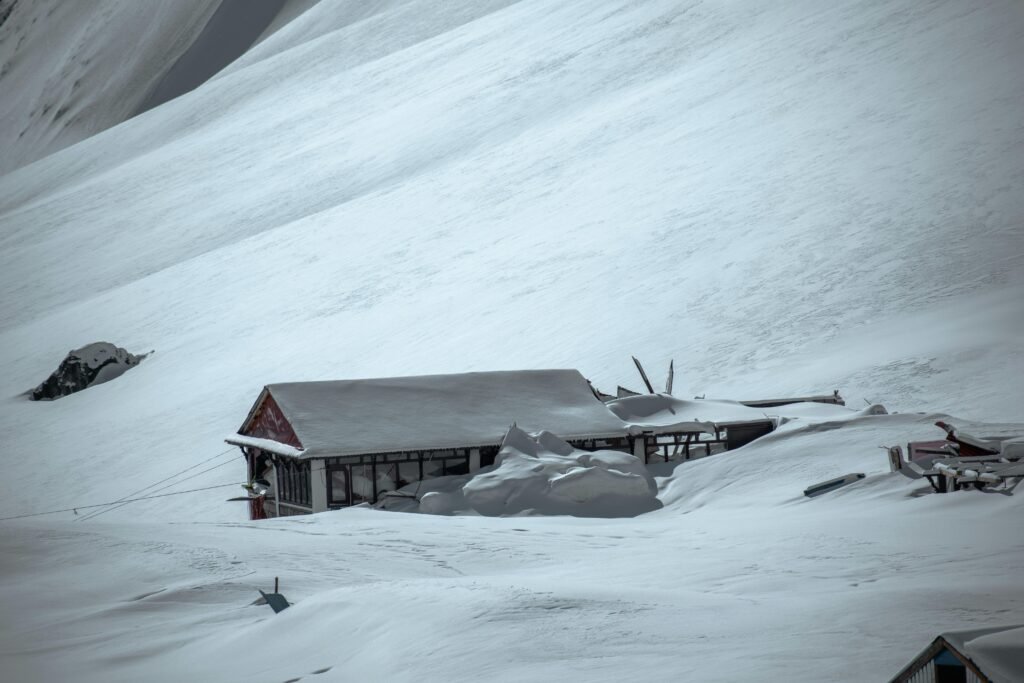
Ever had a shoot grind to a screeching halt because of bad weather, equipment failure, or an actor’s sudden appendicitis? Yeah, it’s like hearing nails on a chalkboard for your schedule AND budget.
When you’re knee-deep in film production, delays are as common as coffee spills on set. But what if I told you there’s a way to soften the blow? Enter film production insurance with delay compensation. In this guide, we’ll walk you through everything from understanding why it matters to how to get the best policy without losing sleep—or profits.
You’ll learn:
- What delay compensation really means (and why it’s a life-saver).
- How film production insurance fits into your financial planning toolkit.
- Actionable steps to secure coverage that actually pays out when you need it most.
Table of Contents
- Why Delay Compensation Matters in Film Production
- Steps to Secure Film Production Insurance with Delay Compensation
- Best Practices for Maximizing Your Benefits
- Real-World Examples of Delay Compensation Savings
- FAQs About Film Production Insurance and Delay Compensation
Key Takeaways
- Delay compensation is a critical safety net for filmmakers facing unexpected disruptions.
- Film production insurance policies vary widely; shop around carefully.
- Documentation is key—track every detail before, during, and after a delay.
Why Delay Compensation Matters in Film Production
“Optimist You: ‘We’ve got this shoot under control! Nothing can go wrong!'”
“Grumpy You: ‘Famous last words… Have you seen the forecast?'”
Let’s face it: delays happen in filmmaking faster than “Cut!” gets yelled. Whether it’s inclement weather, technical mishaps, or human error (yes, even pros mess up), they cost time—and money. And here’s the kicker: Without proper insurance coverage, these costs land squarely on your lap.
That’s where delay compensation swoops in like the superhero cape you didn’t know you needed. It reimburses lost income, crew wages, rental fees, and other expenses caused by unavoidable delays. Think of it as your backup plan when Murphy’s Law decides to crash your project premiere party.

Steps to Secure Film Production Insurance with Delay Compensation
Alright, let’s dive into the nitty-gritty. How do you lock down a solid insurance policy?
Step 1: Assess Your Risks Like Sherlock Holmes
- Evaluate your location risks (e.g., hurricane zones, earthquake-prone areas).
- Identify potential logistical bottlenecks (like shipping rented gear across state lines).
Step 2: Compare Policies Like a Pro Shopper
- Look beyond premiums—focus on coverage limits, exclusions, and claim processes.
- Ask insurers directly: Does their policy cover force majeure events like pandemics? Pro tip: Some won’t admit this upfront unless asked.
Step 3: Vet Your Insurance Provider
- Check reviews from fellow indie directors or producers.
- Call customer service just to test responsiveness. If they ghost you now, imagine post-disaster chaos.

Best Practices for Maximizing Your Benefits
I once made the rookie mistake of filing vague claims (“Well, uh, something broke…”). RIP reimbursement check. Learn from my pain:
Tip #1: Keep Records Like You’re Writing a Script
- Snap photos of damaged gear, stalled locations, or any evidence supporting your case.
- Maintain a timeline documenting all incidents leading up to the delay.
Tip #2: Don’t Go Overboard (Terrible Tip Alert)
Procrastination nation alert! Filing excessive claims too frequently may flag you as high-risk, making future policies pricey. Balance is crucial.
Tip #3: Consult Legal Help for Complex Claims
- Hire legal counsel familiar with entertainment law to navigate tricky disputes.
- They’re worth the investment if big bucks are at stake.
Real-World Examples of Delay Compensation Savings
Last year, a filmmaker friend was shooting near Yellowstone when wildfires forced evacuation mid-shoot. Thanks to meticulous documentation and a top-tier delay compensation clause, he recouped $50k+ in losses within weeks.

FAQs About Film Production Insurance and Delay Compensation
What exactly does delay compensation cover?
It typically covers direct expenses tied to unforeseen delays, such as overtime pay, extra rentals, and missed bookings.
Are natural disasters included?
Sometimes—but read your policy closely. Earthquakes, floods, etc., might require additional endorsements.
How long does it take to receive compensation?
Typically 30–60 days after submitting complete documentation, depending on the insurer.
Conclusion
There you have it, partner. With the right preparation and insights, securing film production insurance with robust delay compensation feels less daunting and more achievable. Remember: Documentation saves lives (or at least budgets), and shopping smart ensures you don’t overpay while staying protected.
So next time disaster strikes on set, rest easy knowing your wallet has backup worthy of Hollywood stardom.
P.S.: Like trying to catch Pikachu on Pokémon GO back in 2016, finding perfect insurance takes persistence—but the rewards are oh-so-sweet.