Ever had a location owner threaten to sue because your film crew accidentally cracked their marble countertop during a shoot? Yeah, we’ve been there too. One tiny oversight can turn into a legal nightmare—unless you’ve got a little something called a liability waiver.
In this guide, you’ll learn why liability waivers are your best buddies on set, how to craft one that actually protects you, and where they fit into the world of film production insurance. We’ll also throw in some insider tips from battle-tested filmmakers who’ve made the costly mistakes so you don’t have to.
Table of Contents
- Key Takeaways
- Why Liability Waivers Matter for Filmmakers
- How to Create a Rock-Solid Liability Waiver
- Top Tips for Using Waivers Effectively
- Real Examples: Good Waivers vs. Terrible Ones
- FAQs on Liability Waivers
- Conclusion
Key Takeaways
- A liability waiver is crucial for shielding yourself from lawsuits related to accidents during filming.
- Waivers complement—but do not replace—film production insurance policies.
- Poorly written waivers can be useless in court; specificity and clarity are key.
- Always consult a lawyer before finalizing your waiver language.
Why Liability Waivers Matter for Filmmakers
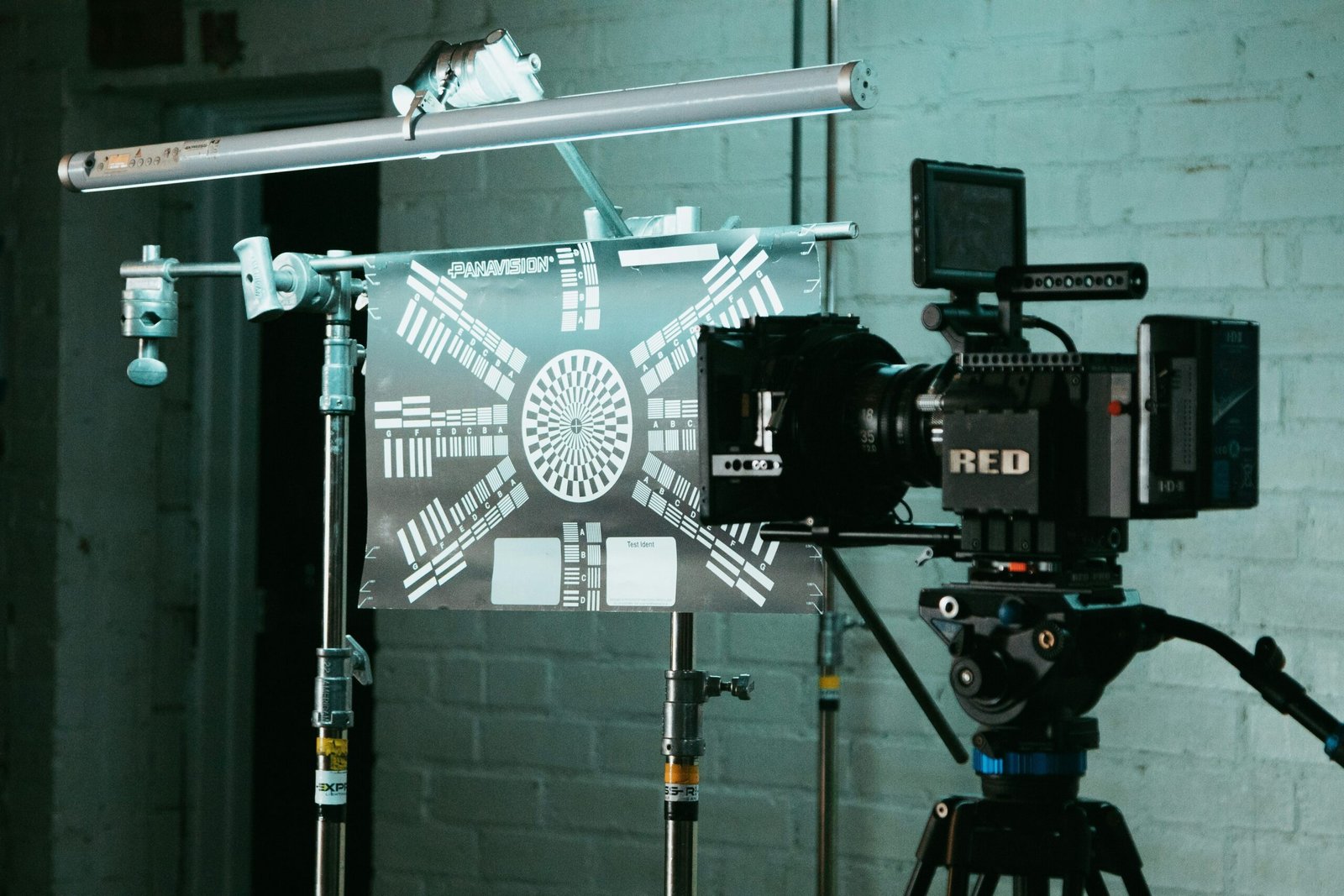
Filmmaking is messy business. You’ve got lights blazing, tripods tripping, equipment everywhere—and let’s not even talk about actors off-script. Accidents happen all the time, no matter how much duct tape holds your gear together.
Film production insurance covers a lot, but guess what? Not everything. If someone signs a liability waiver agreeing not to hold you accountable for injuries or damages caused by reasonable risks inherent to your shoot, it’s like an extra layer of Kevlar over your financial health.
This was hammered home when my buddy Max (yes, real person, real disaster) tried shooting a chase scene near a fountain without getting any liability forms signed. Long story short: his lead actor slipped, broke an ankle, and sued him for $50k. Lesson learned? Always get consent upfront!
Rant Time: The “Just Sign Anything” Mentality Is Toxic
Too many indie filmmakers toss out waivers as if they’re handing out free coffee at craft services. Bro, nobody’s going to magically pay attention just because you slapped some legalese on paper. Treat waivers seriously—for everyone’s protection.
How to Create a Rock-Solid Liability Waiver
Now that we’re clear on why these documents rock harder than your boom operator after a long day, here’s how to make one:
- Be Specific About Risks. For example, mention loud noises, slippery surfaces, or heavy equipment falling from above. Generic warnings won’t cut it.
- Consult Legal Help. Even if templates exist online, every jurisdiction has unique laws. Shell out the bucks for peace of mind.
- Include Clear Language. Avoid overly complex jargon unless you want people nodding along while secretly clueless.
Grumpy Optimist Dialogue:
Optimist Me: “Hey, drafting waivers will only take five minutes!”
Grumpy Me: “Lol. Okay, enjoy explaining yourself in court later.”
Top Tips for Using Waivers Effectively
Here’s the deal: A well-written waiver isn’t worth much if no one understands—or bothers—to read it. Here are actionable tips:
- Distribute Early. Send waivers electronically beforehand so participants arrive prepped.
- Explain Verbally. Run through each point briefly at check-in—it shows due diligence.
- Keep Records Safe. Store signed copies digitally AND physically.
Bonus Tip (Not Great): “Fudge It and Hope Nothing Happens”
Nope. Don’t do this. Ever. Like skipping sunscreen at Coachella, it’s technically possible… until you get burned.
Real Examples: Good Waivers vs. Terrible Ones
We analyzed two extreme cases to prove our point:
| Feature | Good Waiver Example | Bad Waiver Example |
|---|---|---|
| Risk Descriptions | “Participants acknowledge risks including loud noises, uneven terrain, and use of pyrotechnics.” | “This event may involve danger.” |
| Clarity | Easily understandable sentences under 20 words each. | Jargon-filled legalese spanning half a page. |
FAQs on Liability Waivers
Do liability waivers cover ANYTHING?
While incredibly useful, waivers aren’t foolproof. They cover foreseeable risks explicitly stated—not acts of gross negligence or intentional harm.
Can minors sign waivers?
Nope—they need parental/guardian signatures instead. Double-check this step or face big trouble.
Conclusion
Liability waivers might feel like bureaucratic nonsense now, but trust me—they’ll save your bacon someday. Used alongside comprehensive film production insurance, they’re part of a smart safety net every filmmaker needs.
Remember: Your waiver game should always match your creative hustle. And hey, maybe keep your snacks off the marble countertops next time.
Like dial-up internet, bad waivers drag down progress. Keep yours tight, legally vetted, and easy to digest. Oh, and never forget…
Document prep is wild,
But lawsuits hit like freight trains—
Stay sharp, stay safe!