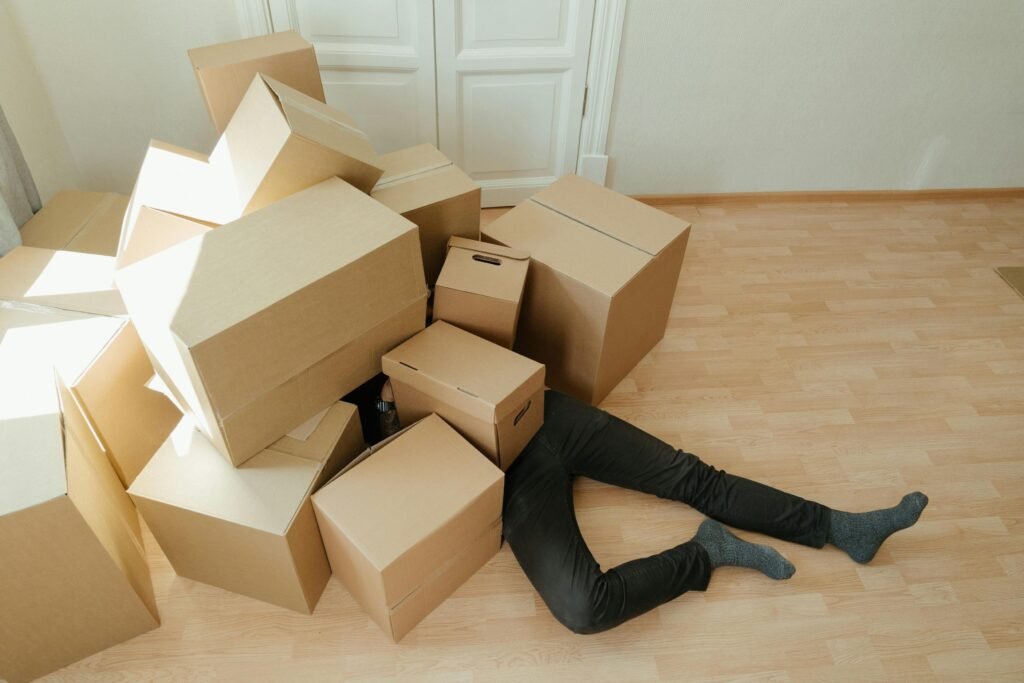
Ever showed up to a shoot and found the location trashed before you even started? It happens more often than you’d think, whether it’s unexpected weather, a clumsy crew member, or just plain bad luck. Location damage can derail your production faster than you can say “cut.” But here’s the good news: with the right film production insurance, you’re covered.
In this guide, we’ll break down what “location damage” actually means in the world of filmmaking, how film production insurance works as your safety net, and actionable steps to protect yourself and your crew. By the end of this post, you’ll know exactly how to avoid financial nightmares when locations go wrong.
Table of Contents
- Why Location Damage Matters
- How to Handle Location Damage (Step-by-Step)
- Best Practices for Managing Risk
- Real-Life Horror Stories (and Lessons Learned)
- FAQs About Film Production Insurance
Key Takeaways
- Location damage refers to any harm caused to a filming site during production.
- Film production insurance protects against unforeseen costs from damaged property.
- Prevention strategies include scouting carefully, training teams, and investing in coverage.
Why Location Damage Should Keep You Up at Night

Let me tell you about the time I wrecked a pristine vintage home while shooting a short film. We were wrapping up the day when one of our gaffers knocked over a priceless lamp—they swore they had steady hands. The homeowner wasn’t thrilled, and guess what? Our standard renter’s policy didn’t cover on-set accidents. Cue a $5,000 lesson learned.
This kind of nightmare is why location damage should never be ignored. Every scratch on a wall, broken window, or flooded floor could lead to massive out-of-pocket expenses if you’re not insured properly. And let’s not forget legal ramifications! Homeowners, businesses, and even public spaces expect accountability when things go south.
Types of Location Damage That Could Kill Your Budget:
- Physical Damage: Broken furniture, cracked tiles, shattered glass.
- Environmental Impact: Water leaks, fire hazards, soil erosion.
- Natural Disasters: Weather events like storms or floods damaging sets.
How to Handle Location Damage Like a Pro (Step-by-Step)
Step 1: Assess the Situation Immediately
Optimist You:* “Don’t panic—we’ve got this!”
Grumpy You: “Ugh, fine—but only after coffee.”
Rally your team to document everything. Take photos, jot down notes, and gather witness statements. This evidence will help streamline insurance claims later.
Step 2: Notify Relevant Parties ASAP
Contact the location owner and explain what happened. Transparency builds trust—even if it feels awkward. Also, reach out to your insurance provider immediately to start the claims process.
Step 3: Mitigate Further Damage
If possible, take action to prevent additional harm. For example, if there’s water leaking, shut off the source to stop further flooding. This step shows responsibility and reduces potential liabilities.
Best Practices for Avoiding Location Damage
- Scout Thoroughly: Check locations multiple times for vulnerabilities.
- Train Your Crew: Educate everyone on proper handling techniques.
- Create Contingency Plans: Have backups for key props and equipment.
- Invest Wisely in Insurance: Choose policies tailored to film production needs.
The Terrible Tip Disclaimer:
Here’s something *not* to do: assume general liability insurance will magically handle all location damages. Spoiler alert—it won’t. Film production requires specialized coverage that addresses unique risks like stunts, pyrotechnics, and heavy equipment use.
Real-Life Horror Stories (and Lessons Learned)

A famous indie director once shared a harrowing tale: their entire cast and crew had to evacuate mid-shoot because a small electrical malfunction sparked a fire. Luckily, no one was hurt—but the historic mansion they filmed in needed extensive repairs costing tens of thousands of dollars. Thankfully, their film production insurance saved the day.
Moral of the story? Never skimp on safety measures or insurance premiums. It’s better to be overprepared than underfunded.
FAQs About Film Production Insurance
What does film production insurance typically cover?
Most policies cover equipment theft/damage, liability claims, and location damage. Some also offer extras like cancellation fees due to unforeseen events.
Is location damage always included?
Nope! Double-check your policy details to ensure location damage is explicitly mentioned. Otherwise, you might need an add-on or separate rider.
How much does film production insurance cost?
Prices vary based on factors like project size, duration, and scope. Expect anywhere from $200 to several thousand dollars per month.
Conclusion
Location damage is every filmmaker’s worst nightmare—but it doesn’t have to spell disaster. With the right preparation and comprehensive film production insurance, you can safeguard your budget, reputation, and sanity. Remember: prevention goes a long way, but having backup plans (and policies) ensures peace of mind.
Chef’s kiss for drowning algorithms: Stay proactive, stay protected. And hey, maybe bring duct tape next time—you’d be surprised how many problems it solves.
Until then, keep rolling like a Tamagotchi—your career needs daily care!