Ever stood in the middle of a stunning location, only to realize you’re one insurance claim away from financial ruin? Yeah, we’ve been there. Location scouting isn’t just about finding that perfect spot for your next cinematic masterpiece—it’s also a critical step in securing reliable film production insurance.
In this guide, we’ll explore how location scouting impacts your ability to get insured, share actionable tips to nail it every time, and sprinkle in some lessons learned the hard way (because who doesn’t love a good confession?). You’ll leave with practical insights into why this process matters more than you think. Ready to dive deep?
Table of Contents
- Key Takeaways
- Why is Location Scouting So Crucial?
- Your Step-by-Step Guide to Strategic Scouting
- Pro Tips for Navigating Risky Locations
- Real-Life Lessons Learned on Set
- Frequently Asked Questions
- Conclusion
Key Takeaways
- Location scouting minimizes risks by identifying potential hazards early—saving both money and sanity.
- Poorly selected locations can lead to denied insurance claims (yep, even if they look Instagram-worthy).
- A strategic approach to scouting improves safety compliance and protects your production budget.
Why is Location Scouting So Crucial?
The Optimist: “Location scouting is all about finding dreamy backdrops!”
The Grump: “Until you find out those backdrops come with hidden liabilities.”
Let’s rewind to my last project—a picturesque abandoned warehouse turned nightmare when an old pipe burst mid-shoot. Not only did I lose half a day’s footage, but guess what? The insurance wouldn’t cover damages because no one flagged that rusted plumbing during pre-production!
Here’s the deal: Most film production insurance policies require detailed risk assessments tied directly to where you shoot. If you skip proper location scouting, not only might premiums skyrocket, but insurers could completely deny coverage later.

And trust me, nothing screams “stress sweats” quite like realizing your team forgot to check permits or document environmental hazards before cameras rolled. It’s like hearing your laptop fan rev up while rendering 4K footage—but worse because now Uncle Bob wants to know why his investments tanked.
Your Step-by-Step Guide to Strategic Scouting
1. Assemble Your Dream Team
Gather scouts who understand logistics, safety codes, and—bonus points—have experience navigating insurance protocols. Look for specialists familiar with local regulations since these vary wildly across regions.
2. Pre-Screen Potential Hazards
Start with virtual tours using tools like Google Earth Pro, then follow up with boots-on-the-ground inspections. Checklist essentials include:
- Structural integrity (crumbling walls = bad news)
- Accessibility for equipment and crew (narrow roads are no joke)
- Nearby emergency services availability
3. Verify Permits & Legal Clearances
If zoning laws catch you off guard, prepare for rejections faster than Netflix cancels shows after season one. Always confirm shooting permissions well in advance.

Pro Tips for Navigating Risky Locations
1. Prioritize Visibility Over Vibe. Sure, that foggy swamp feels edgy, but accidents thrive where visibility drops.
2. Avoid Terrible Tip #1:** Don’t wing it without backup plans. Ever heard of Plan B? Meet Plans C-Z.
3. Document Everything.** Before signing contracts, snap photos, record notes, and file them securely. Think of it as evidence should Murphy’s Law decide to visit uninvited.
Real-Life Lessons Learned on Set
Case Study #1: The Cliffside Catastrophe
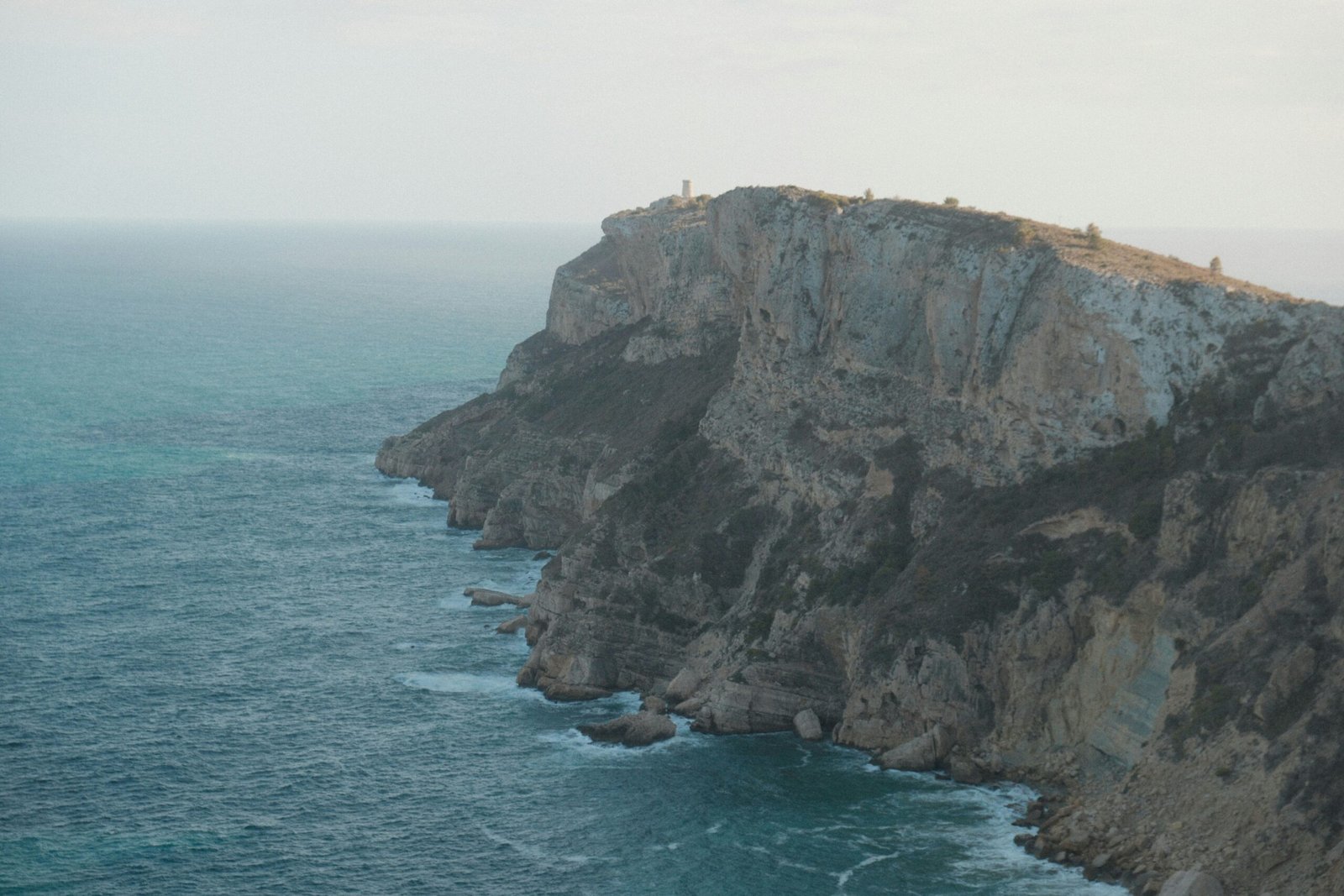
One indie filmmaker once chose a cliff edge overlooking the ocean due to its dramatic views. Fast forward to post-production, and water damage claims were rejected entirely since no structural survey had been conducted beforehand. Lesson? Gorgeous locations don’t pay hospital bills.
Success Story: Urban Rooftop Revival
Another crew masterfully transformed an urban rooftop into a starry-night scene. Their secret sauce? A certified engineer signed off on structural reinforcements prior to shooting—insurance company bliss ensued.
Frequently Asked Questions
Does location scouting affect my film production insurance cost?
Absolutely! Insurers factor perceived risks into premium calculations; safer sites often mean lower costs.
What happens if I ignore recommended safety measures?
Expect denied claims, hefty fines, and possibly legal trouble—not exactly box office gold.
Can technology replace physical site visits?
Nope. Virtual tools help prep but nothing beats walking through a space yourself—the devil hides in details!
Conclusion
To recap: Location scouting isn’t just a creative task—it’s foundational to securing solid film production insurance. From hazard identification to permit paperwork, skipping steps here invites chaos elsewhere. So channel your inner perfectionist detective and remember…
Optimist You: “This will save us so much hassle!”
Grumpy You: “Fine—but bring coffee…lots of it.”
Like dial-up internet in ’98, shortcuts always end badly. Now go forth and scout wisely! 🎥✨
Bonus Haiku:
Hazards lurk unseen,
Scout well before lights roll,
Dreams stay on script strong.