Ever had your shoot shut down because a drone crashed into a tree? Or faced a lawsuit when an actor tripped over equipment during a pivotal scene? Yeah, we’ve all heard those nightmare stories. But here’s a shocking stat: 85% of independent filmmakers have no insurance at all. That means if disaster strikes, it’s game over—your wallet takes the hit.
In this post, we’ll break down everything you need to know about shooting insurance to protect your film production from costly disasters. We’ll walk through what it is, how to get covered, and tips for saving money without skimping on quality. Let’s dive in!
Table of Contents
- What Exactly Is Shooting Insurance?
- Why You Absolutely Need Film Production Insurance
- Step-by-Step Guide to Getting Covered
- Tips for Saving Money on Your Policy
- Real-Life Success Stories (And One Epic Fail)
- FAQs About Shooting Insurance
Key Takeaways
- Film production insurance protects against accidents, lawsuits, and equipment damage.
- Without shooting insurance, filmmakers risk financial ruin.
- There are affordable ways to tailor coverage to your specific needs.
- Real-world examples prove that even small productions benefit from proper insurance.
What Exactly Is Shooting Insurance?
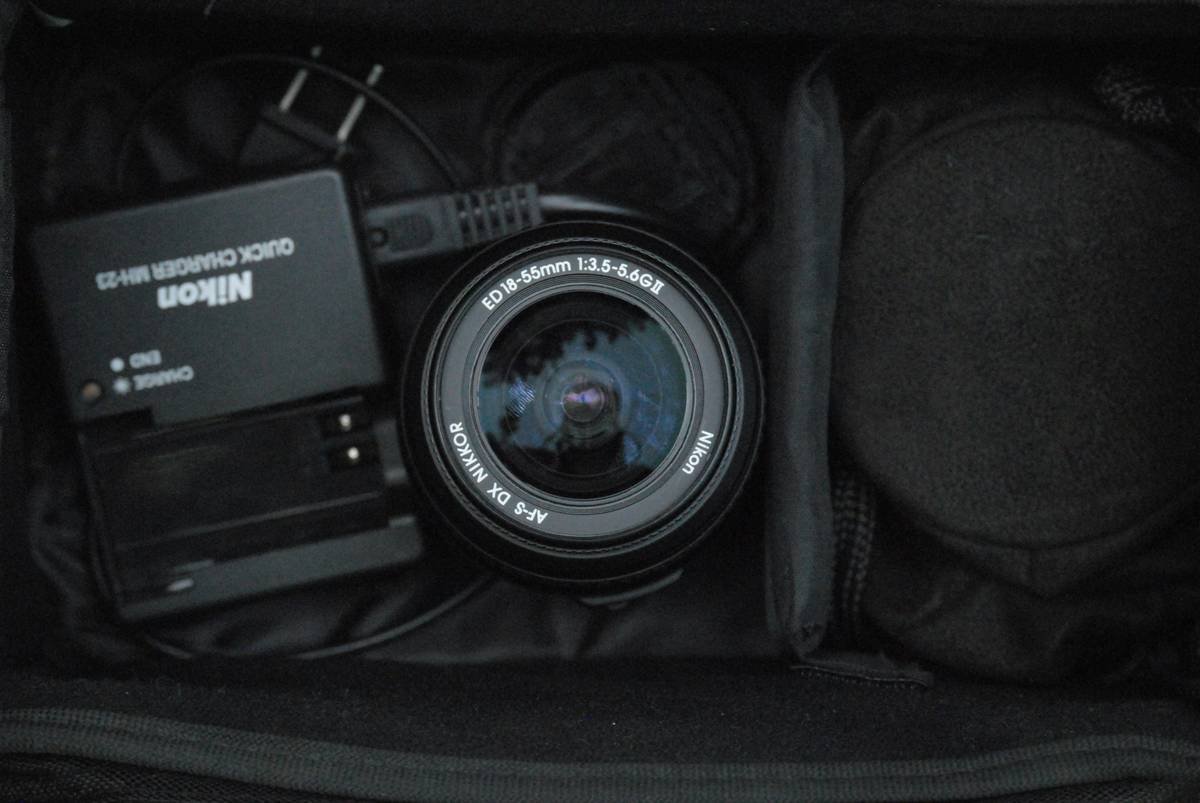
Shooting insurance is specialized coverage designed specifically for the unique risks involved in filmmaking. From drones hitting power lines to stolen cameras to injuries on set, a good policy covers it all. Imagine trying to replace $30,000 worth of camera gear or dealing with legal fees after someone tripped over cables—that’s where shooting insurance steps in as your safety net.
Why You Absolutely Need Film Production Insurance
Here’s a confession: I once skipped getting insurance for a short indie project because “nothing bad has ever happened before.” Spoiler alert—it did. A borrowed light stand fell on an extra’s foot mid-shoot, resulting in a $5,000 medical bill. Lesson learned: Don’t let optimism blindside you.
Optimist You: “But my crew’s careful!”
Grumpy You: “Sure, until Murphy’s Law kicks in and something goes horribly wrong.”
The truth is, anything can happen on set. Whether you’re working with expensive rentals, handling stunts, or shooting on location, you need protection. And trust me, venues often require proof of insurance just to let you film there.
Step-by-Step Guide to Getting Covered
Getting shooting insurance might feel daunting, but it doesn’t have to be. Follow these steps:
Step 1: Assess Your Risks
Consider your biggest potential hazards. Are you using pyrotechnics? Renting cranes? Shooting near water? Each factor impacts your policy needs.
Step 2: Research Providers
Not all insurers specialize in film production. Look for companies familiar with entertainment-related policies. Some top names include:
- Front Row Insurance Brokers
- Film Emporium
- Hencove Insurance Solutions
Step 3: Compare Quotes
Never settle for the first quote. Shop around to find a plan that fits your budget while offering robust coverage.
Step 4: Read the Fine Print
This part sounds boring, but skipping it could cost you. Make sure exclusions don’t leave you exposed.
Step 5: Submit Documentation
You may need to provide scripts, budgets, or permits depending on your insurer’s requirements.
Tips for Saving Money on Your Policy
Insurance isn’t cheap—but neither is losing your life savings to an accident. Here’s how to save while staying protected:
- Bundling Policies: Combine liability, property, and workers’ comp under one roof.
- Higher Deductibles: Opt for higher deductibles to lower premiums—just make sure you can afford them in case of claims.
- Limited Coverage Periods: Instead of yearly plans, consider per-project policies for shorter shoots.
- Terrible Tip Disclaimer: Avoid ultra-cheap DIY online policies; they rarely cover real-world scenarios adequately.
Real-Life Success Stories (And One Epic Fail)
Let’s talk about Jane, a documentary filmmaker who secured comprehensive shooting insurance for her nature series. When a bear damaged her drone and GoPro rig, she filed a claim—and recouped every penny. Crisis averted.
On the flip side, Mike, a newbie director, thought he’d save cash by skipping insurance entirely. His boom mic slipped and broke a priceless antique vase at a historic venue. No policy meant paying out-of-pocket repairs totaling $10K. Ouch.
FAQs About Shooting Insurance
How Much Does Shooting Insurance Cost?
Cost varies based on risks, but expect anywhere from $300–$2,000 per project for basic coverage.
Can Beginners Afford It?
Absolutely. Many providers offer scaled-down options tailored to low-budget films.
Is Equipment Always Covered?
Nope! Rental gear usually requires separate rental insurance endorsements.
Conclusion
Filmmaking is already a rollercoaster ride—you don’t need uninsured nightmares adding chaos. By understanding and investing in shooting insurance, you safeguard your art, finances, and future projects. Start exploring quotes today so you can focus less on liabilities and more on creative brilliance.
P.S. If all else fails… remember, "Backup footage + popcorn = hope."