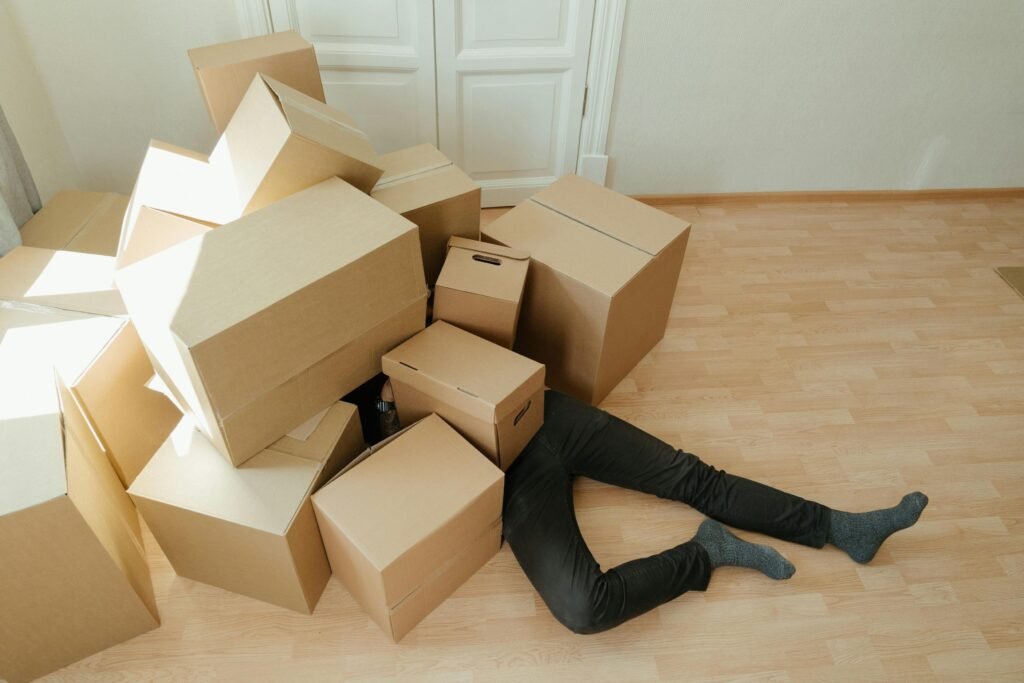
“Ever found yourself staring at a $50,000 bill because a camera rig accidentally smashed someone’s car? Yeah, us too.”
Filmmaking is chaotic as hell. But while you’re focused on nailing that perfect tracking shot or choreographing a breathtaking explosion, there’s one glaring danger lurking behind the scenes: third-party damages. Whether it’s equipment falling onto private property or crew members accidentally causing harm, these incidents can derail your production faster than an actor ghosting you on set day.
In this post, we’ll break down what third-party damages mean in film production insurance, why they matter more than you think, and how to dodge the financial bullets. (Spoiler alert: It involves swearing less at your insurance broker.) By the end of this guide, you’ll know exactly how to protect yourself and ensure your project doesn’t implode under its own liabilities.
Table of Contents
- Key Takeaways
- What Are Third-Party Damages?
- Why Film Production Insurance Matters
- How to Prevent (and Cover) Third-Party Damages
- Tips & Best Practices for Managing Risks
- Real-World Example: A Case Study
- FAQs About Film Production Insurance
- Conclusion
Key Takeaways
- Third-party damages occur when your production causes harm to others’ property or safety.
- Film production insurance shields you from crippling lawsuits arising out of accidents.
- Proactive risk management minimizes claims and keeps costs low.
- Ignoring coverage could bankrupt even well-funded indie projects.
What Are Third-Party Damages?
Picture this: Your team sets up lighting rigs near a suburban street. One slip-up—a cable snaps, a lamp falls—and suddenly Mrs. Johnson’s prized garden gnome lies in pieces. This scenario isn’t hypothetical; it happens all the time.
Third-party damages refer to any harm caused by your production activities to people who aren’t directly involved in your project. This includes:
- Property damage (e.g., broken windows, scratched floors).
- Bodily injury (e.g., tripping hazards).
- Legal claims resulting from negligence or accidental acts.

Rant Break:
I once ignored checking our general liability limits before shooting indoors. Big mistake. When a smoke machine shorted out a venue’s wiring, guess who got stuck paying reparments? Me. UGH. Moral of the story? Always double-check.
Why Film Production Insurance Matters
Without proper insurance, every loose cable becomes a potential lawsuit waiting to happen. Here’s why film production insurance is non-negotiable:
- Protection Against Lawsuits: Without coverage, you might face personal liability if things go south (remember poor Mrs. Johnson?).
- Piece of Mind: Knowing you’re covered lets you focus on creativity instead of catastrophe.
- Industry Standards: Locations often require proof of insurance before granting permits.
No budget-friendly filmmaker ever wants to revisit *that* nightmare call from their panicked producer after an unforeseen mishap.
How to Prevent (and Cover) Third-Party Damages
Optimist You: “Okay cool, let’s just get insured!”
Grumpy You: “Ugh, fine—but only if coffee’s involved.”
Here’s how to cover your bases:
- Review Your Policy: Ensure General Liability covers both property and bodily injury.
- Hire Producers That Prioritize Safety: Experienced producers have protocols preventing clumsy mistakes.
- Inspect Equipment Regularly: A malfunctioning crane isn’t just sketchy—it’s expensive AF.
- Train Your Crew: Proper training reduces accidental oversights significantly!
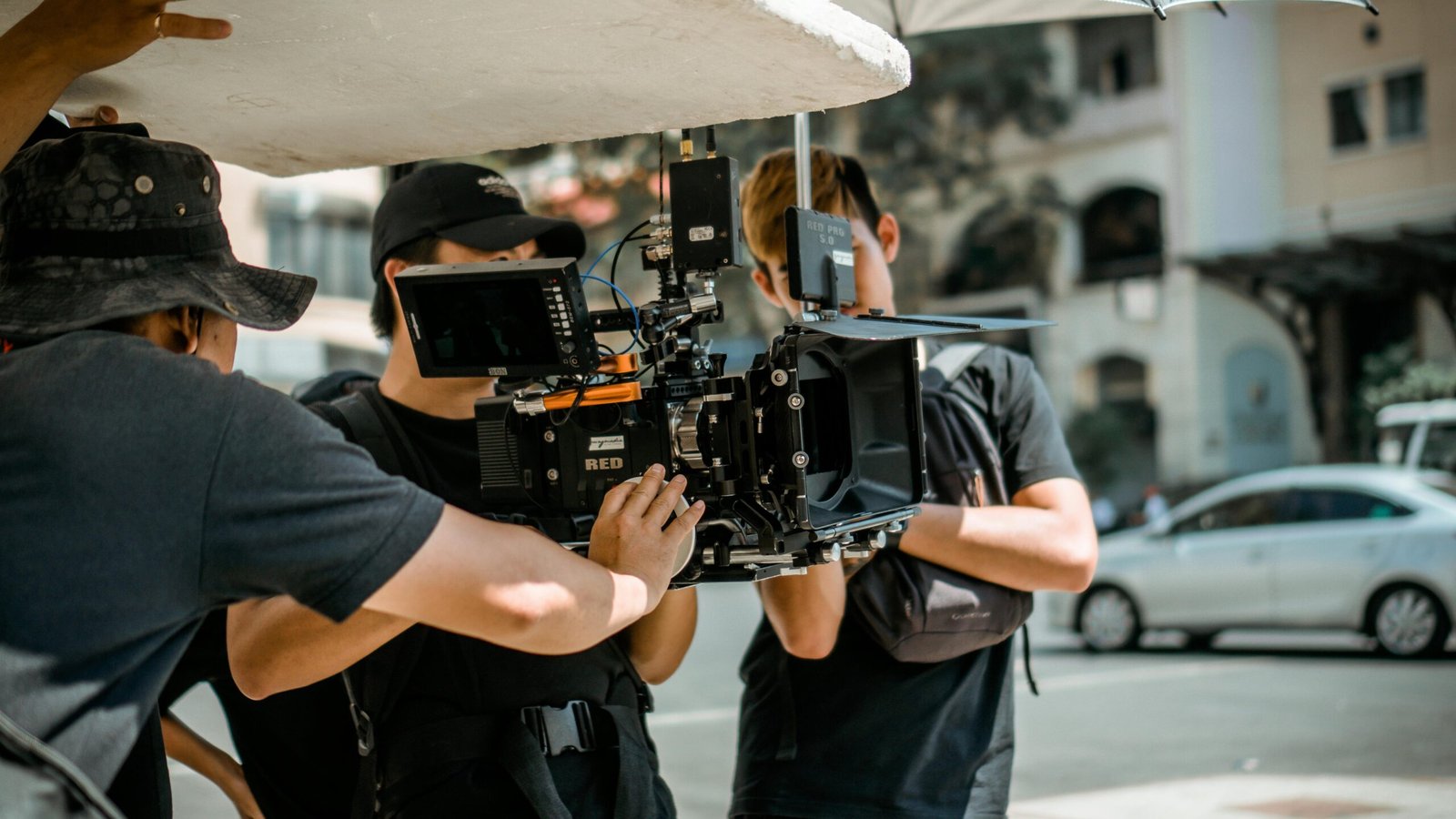
Terrible Tip Alert:
“Ignore signing waivers.” WRONG! Waivers alone don’t guarantee protection—insurance does!
Tips & Best Practices for Managing Risks
Follow these tips to minimize third-party risks:
- Create buffer zones around sensitive areas during shoots.
- Clearly mark trip hazards for both cast/crew AND bystanders alike.
- Consider location scouting not just for aesthetics but also for accessibility risks.
Sure, none of this stuff feels sexy compared to envisioning your masterpiece on-screen—but trust me, avoiding disaster IS cinematic gold.
Real-World Example: A Case Study
In 2019, a mid-sized film company faced massive backlash when poorly secured props damaged nearby storefronts. Thankfully, their comprehensive policy absorbed most repair expenses, saving them from severe bankruptcy woes. Lesson learned? Don’t skimp!

FAQs About Film Production Insurance
Q: Does my standard business policy cover filmmaking?
Absolutely not. Filmmaking requires specialized policies tailored specifically toward unique industry needs.
Q: Is third-party coverage included automatically?
Not always. Confirm whether add-ons such as “completed operations” are part of your plan.
Q: Can I reduce premiums?
Yes! Implement stricter safety measures and invest in better gear maintenance regularly.
Conclusion
Film production insurance may seem daunting—but overlooking third-party damages can destroy careers quicker than bad reviews tank box office numbers. From understanding what qualifies as damage to implementing proper safeguards, staying informed ensures smooth sailing throughout your creative journey.
Remember: Protecting against third-party damages means protecting YOUR future self. And hey, who couldn’t use fewer sleepless nights stressing over potential lawsuits? 😉
Like Pokémon catching mechanics, mastering film finance needs daily practice—not luck.