Ever had a $50,000 camera rig go down mid-shoot because someone tripped over a cable? Or spent three days in post-production only to realize half your footage was ruined by an unexpected weather delay? Yeah, us too. But here’s the kicker: most filmmakers don’t realize how much their insurance benefits can save them from these nightmares. Today, we’ll dive into the nitty-gritty of this microniche gem—film production insurance—and uncover why it might just be your budget’s best friend.
This post will break down everything you need to know about leveraging insurance benefits specific to film production. From understanding coverage basics to avoiding rookie mistakes (spoiler alert: one involves signing contracts without reading), we’ve got you covered. Grab your coffee and let’s get into it.
Table of Contents
- Key Takeaways
- Why Does Film Production Insurance Matter?
- Step 1: Understanding Different Types of Coverage
- Pro Tips for Maximizing Your Insurance Benefits
- Real-World Examples of Insurance Wins (and Fails)
- Frequently Asked Questions About Film Production Insurance
Key Takeaways
- Film production insurance protects equipment, personnel, and liabilities.
- Insurance benefits extend beyond payouts—they include risk mitigation tools.
- Choosing the right policy requires understanding your project scope.
- Avoid costly errors like skipping producer liability checks or underinsuring gear.
Why Does Film Production Insurance Matter?
Picture this: You’re halfway through filming a high-stakes car chase scene when—not kidding—a rogue pigeon flies directly into the drone carrying your hero shot camera. It crashes spectacularly onto the hood of a vintage Mustang valued at $250,000. Now what?
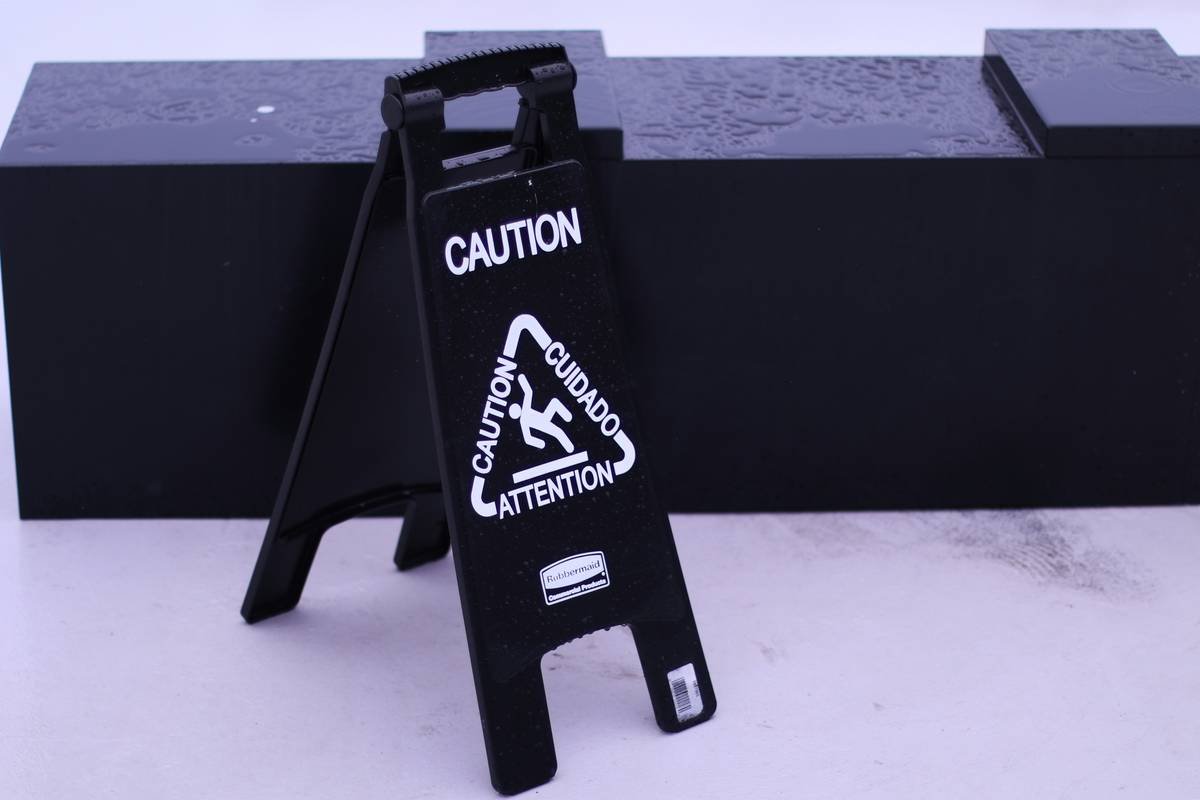
Accidents happen even on tightly controlled sets.
Without proper insurance, that single incident could spell financial doom for independent filmmakers or small studios. And while some think “it won’t happen to me,” statistics show otherwise. According to industry reports, nearly 70% of productions experience some form of claim-worthy mishap annually. That’s where insurance benefits come in—not just covering disasters but offering peace of mind so you can focus on creativity.
“Optimist You: ‘We’ll breeze through this shoot!’ Grumpy You: ‘Yeah, until someone spills coffee on the lighting board.’”
Step 1: Understanding Different Types of Coverage
Not all insurance policies are created equal, folks. Let’s break it down:
General Liability Insurance
Covers bodily injuries or property damage caused during filming. If a curious passerby trips over cables and sues, this has your back.
Equipment Floater Insurance
Your DSLRs, drones, and mics? Covered. Perfect for protecting expensive gear against theft, loss, or accidents.
Worker’s Compensation Insurance
Required if hiring crew members. Accidents happen; make sure everyone gets taken care of.
Errors & Omissions (E&O) Insurance
Protects against legal claims related to defamation, copyright infringement, or other creative blunders.
Sounds like your laptop fan during a 4K render—whirrrr—but trust me, figuring out which types apply is worth every moment.

Choose wisely: Each type serves a unique purpose.
Pro Tips for Maximizing Your Insurance Benefits
- Read Policies Carefully. Confession time: One of my first projects involved misinterpreting a clause about “natural disasters.” Spoiler: It didn’t cover lightning strikes during an outdoor night shoot. Learn from my fail!
- Bundle Policies for Discounts. Many insurers offer deals if you combine multiple types of coverage—it’s chef’s kiss for saving cash.
- Work with Specialized Agents. Generalists often miss nuances in film-specific risks. A specialized agent knows exactly what indie filmmakers need.
- Document Everything. Snap photos of damaged gear immediately after incidents occur. This makes filing claims smoother than butter.
<
Terrible Tip Disclaimer:
One website suggested going uninsured for “smaller shoots.” Ugh. Even small shoots involve pricey gear and potential liabilities. Avoid this bad advice like expired milk.
Real-World Examples of Insurance Wins (and Fails)
Case Study #1: Saved By E&O
A filmmaker used stock footage in their documentary without permission. A few months later, they received a cease-and-desist letter. Thanks to Errors & Omissions insurance, the issue was resolved professionally without major costs.
Rant Alert:
Honestly, stop thinking DIY solutions will always work. Last year, I watched a film crew attempt their own insurance via personal auto plans. Guess what? When a stunt driver crashed a borrowed car, no one was covered. Lesson learned: Spend money upfront to avoid spending way more later.

A cautionary tale about cutting corners on insurance.
Frequently Asked Questions About Film Production Insurance
Is general liability insurance mandatory?
In most cases, yes. Many locations require proof of liability insurance before granting permission to film.
Does renters’ insurance cover film equipment?
Nope. Renters’ insurance rarely extends to professional-grade gear. Stick with equipment floater policies.
Can I insure volunteers?
Typically, no. Volunteers fall outside standard worker’s comp policies. Always confirm coverage details with your provider.
Conclusion
Navigating film production insurance isn’t glamorous, but it’s essential. Leveraging insurance benefits effectively ensures smooth sailing through inevitable hiccups—whether it’s bad weather, clumsy crewmembers, or errant pigeons. Remember, preparation beats panic every time.
Here’s a haiku to send you off:
Camera lens shatters,
Insurance pays for repairs,
Art lives on forever.