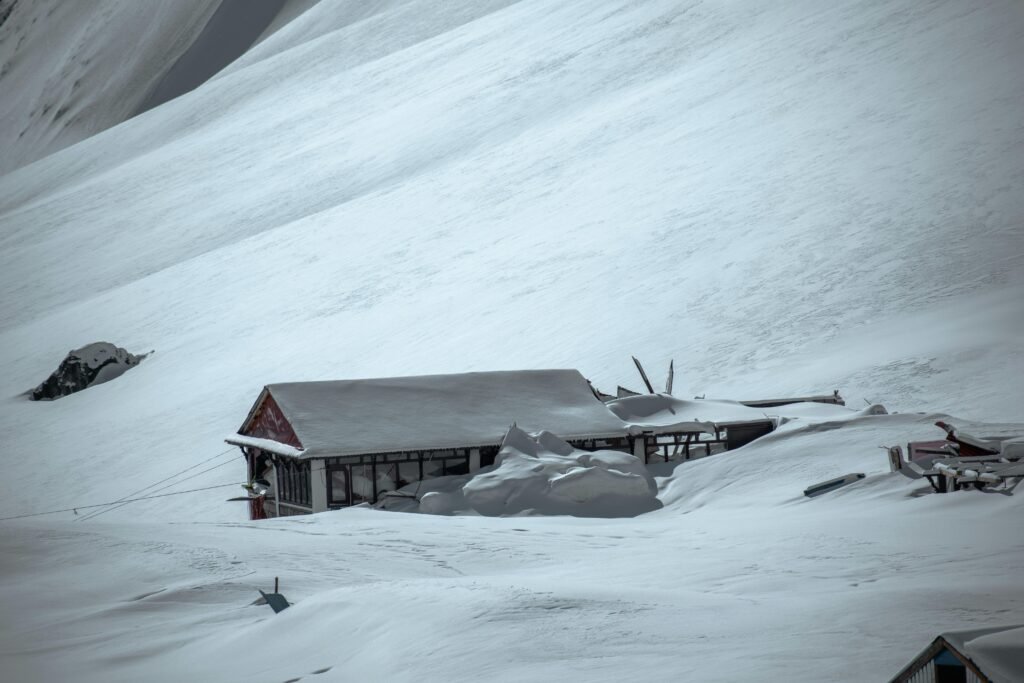
Ever planned a $50,000 outdoor shoot only to have Mother Nature laugh in your face? Yeah, us too. Weather interruptions are the silent budget assassins of film production. One minute you’re filming the perfect sunset scene; the next, monsoon-level rain turns your set into a muddy swamp. But there’s a secret weapon most filmmakers overlook: film production insurance. Let’s dive into how it can save you from financial chaos when clouds roll in.
Table of Contents
- Key Takeaways
- Why Weather Interruptions Are a Big Deal for Filmmakers
- How Film Production Insurance Works
- Tips to Maximize Your Coverage Against Weather Interruptions
- Real-Life Examples of Saved Shoots
- FAQs About Film Production Insurance and Weather Interruptions
Key Takeaways
- Film production insurance protects against weather-related delays that drain budgets.
- Choosing the right policy involves understanding coverage limits and exclusions.
- Proactive planning with backup dates and locations minimizes losses even before insurance kicks in.
- Documenting everything—weather reports, location permits, communication—is critical for claims.
Why Weather Interruptions Are a Big Deal for Filmmakers
I once had a crew ready to shoot an epic action sequence on top of a mountain. The forecast predicted clear skies… until a sudden hailstorm forced everyone off-site. We lost two full days of work and thousands of dollars. “It’s just weather,” I thought at first. Boy, was I wrong.
“Optimist You: ‘We’ll reschedule!’ Grumpy You: ‘Ugh, fine—but only if my credit limit survives.’”
The harsh truth is that weather interruptions mess up more than just timelines—they blow holes in budgets faster than you can say “rain check.” Equipment rentals, actor fees, catering costs—they all add up quickly. And don’t get me started on reshoot logistics.
That’s why knowing about film production insurance isn’t optional; it’s survival.

How Film Production Insurance Works
Film production insurance comes in different flavors, but one of its best features is protection against weather interruption. Here’s how it works:
- Policy Selection: Choose a policy covering specific types of interruptions like rain or extreme temperatures.
- Documentation: Keep detailed records of all expenses tied to the interrupted shoot.
- Claims Process: Submit proof such as weather reports and invoices. Insurers review these documents to reimburse eligible costs.
But here’s where people screw up: they think any delay gets covered. Nope. Policies often exclude situations where no proactive measures were taken (e.g., ignoring obvious storm warnings). So read the fine print carefully!
Tips to Maximize Your Coverage Against Weather Interruptions
Here’s what not to do: “Oh well, let’s wing it!” Instead:
- Create Contingency Plans: Have backup dates and indoor locations lined up. This shows insurers you tried to mitigate risks.
- Invest in Monitoring Tools: Use apps like AccuWeather or Dark Sky to stay ahead of sudden changes.
- Communicate Clearly: Inform cast, crew, and stakeholders early about potential delays.
- Avoid Terrible Tips Like This One: Don’t rely solely on cheap policies promising sky-high payouts. They’re usually scams.
And remember, always document everything—from daily call sheets to post-shoot expense receipts. Sounds tedious? It’s less painful than dealing with denied claims later.
Real-Life Examples of Saved Shoots
Take indie filmmaker Sarah J., who faced torrential downpours during her short film shoot. Thanks to comprehensive film production insurance, she recouped over $8,000 in lost rental fees and overtime wages. “Without this lifeline,” she said, “I’d still be stuck paying off debts.”
Another example: A commercial team shooting car ads shifted operations indoors after freak snowfall. Their insurer reimbursed additional studio rental costs, keeping the project on track—and within budget.

FAQs About Film Production Insurance and Weather Interruptions
What qualifies as a ‘weather interruption’?
Any adverse weather event severe enough to halt filming safely. Think hurricanes, blizzards, or flash floods—not light drizzle unless your script says otherwise!
How long does it take to process a claim?
Typically weeks to months, depending on documentation quality and insurer efficiency. Start filing immediately after interruptions occur.
Are all film production insurance plans equal?
Nope. Some specialize in low-budget projects, others cater to blockbusters. Compare options based on your project scope.
Can I insure international shoots?
Absolutely, though premiums might reflect higher risks abroad. Confirm coverage terms with your provider before booking flights.
Conclusion
Weather interruptions won’t disappear anytime soon—but neither should your profits. With the right film production insurance policy in hand, you can breathe easy knowing help is available when Mother Nature decides to throw tantrums.
So go forth, brave filmmaker, and conquer those clouds. Just make sure you’ve got the paperwork to prove it.
Random Haiku to End It All:
Rain pounds on the lens,
Insurance saves dreams undone—
Scene reset. Roll tape.