“Ever had a shoot grind to a halt because of bad weather or equipment failure? Yeah, us too.”
Filmmaking is unpredictable. One minute you’re filming the perfect sunset shot; the next, your star actor gets stuck in traffic, and you’ve lost precious daylight hours. That’s why film production insurance exists—to protect your wallet from chaos. But here’s something most filmmakers overlook: delay cover. It could be the difference between salvaging your project and going over budget by thousands.
In this guide, we’ll explain what delay cover is, why it matters, and how to make sure you’re fully protected when things go sideways on set. You’ll also learn:
- What “delay cover” actually means (and no, it’s not just about rain delays)
- How to choose the right policy without losing sleep
- Pitfalls to avoid so you don’t end up with useless coverage
Table of Contents
- Key Takeaways
- The Problem With Delays in Film Productions
- Step-by-Step Guide to Choosing Delay Cover
- Best Practices for Maximizing Your Coverage
- Case Study: How Delay Cover Saved a Documentary Team
- FAQs: Everything You Need to Know About Delay Cover
Key Takeaways
- Delay cover protects against financial losses caused by unexpected delays during filming.
- Not all policies are created equal—read the fine print carefully!
- Underestimating daily costs can leave you underinsured. Don’t skimp on details.
- A trusted broker can save you time but always do your homework first.
The Problem With Delays in Film Productions

Picture this: You’ve planned every detail for weeks. The cast is ready, the locations are booked, and then…boom. A torrential downpour hits on a day meant for outdoor scenes. Or worse, your lead camera operator calls in sick. Suddenly, your schedule—and budget—are toast.
Here’s the brutal truth: Every hour of downtime costs money. According to industry estimates, even small independent films lose an average of $5,000 per day due to delays. For bigger productions, that figure skyrockets into the tens of thousands.
Pro-tip: This is where delay cover comes in. Unlike standard liability insurance, which typically covers accidents or property damage, delay cover focuses on mitigating risks associated with interruptions. Think weather issues, equipment malfunctions, or key personnel falling ill.
Step-by-Step Guide to Choosing Delay Cover
Step 1: Assess Your Risk Factors
Start by listing everything that could possibly go wrong during your shoot. Be brutally honest:
- Will you rely heavily on outdoor shoots? Weather delays are practically guaranteed.
- Do you have backup equipment readily available? If not, hardware failures could derail you fast.
- Are any critical roles filled by freelancers? Freelancer no-shows happen more often than you’d think.
Step 2: Estimate Daily Costs
To get adequate delay cover, you’ll need to calculate your daily operating expenses. Include salaries, rental fees, catering, transportation—the works. Trust me, lowballing these numbers will bite you later.
Step 3: Compare Insurance Providers
Optimist You: “There are tons of great options out there!”
Grumpy You: “Yeah, until you realize half of them don’t offer true delay cover.”
To avoid scams, check reviews, ask peers in the filmmaking community, and work with brokers who specialize in entertainment insurance. Always request sample contracts before signing anything.
Best Practices for Maximizing Your Coverage

- Customize Your Policy: Generic plans rarely meet unique needs. Tailor yours based on specific risks.
- Read the Fine Print: Some policies exclude certain types of delays (e.g., pandemic-related shutdowns). Make sure yours aligns with potential threats.
- Document Everything: Keep meticulous records of schedules, budgets, and incidents. Claims get denied when documentation is sloppy.
A Word of Warning: A terrible tip I hear too often is, “Wait until after pre-production to buy insurance.” Wrong move. Buy delay cover as soon as your planning phase begins—it’s cheaper and smarter.
Case Study: How Delay Cover Saved a Documentary Team
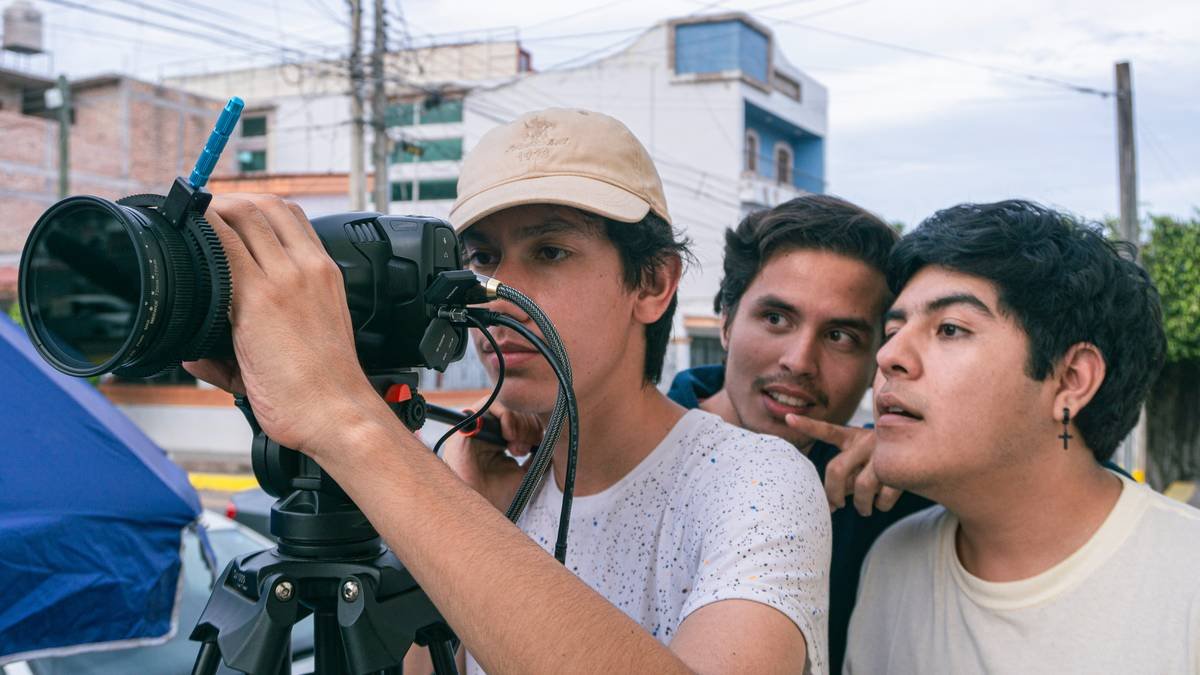
Last year, a documentary crew was working deep in Alaska’s wilderness. Halfway through shooting, their generator caught fire. Not only did they lose power, but local authorities shut them down until further investigation. Thanks to their robust delay cover, they recouped losses totaling $20,000—a lifesaver considering the remote location made finding replacements impossible.
Rant Alert: Why do people still skip insurance? Honestly, spending $1,000 upfront to potentially save $20K later feels like a no-brainer. Yet, I see crews rolling the dice far too often. Stop gambling with your livelihood!
FAQs: Everything You Need to Know About Delay Cover
What exactly does delay cover include?
It typically compensates for additional expenses incurred due to halted operations, such as rescheduling fees, hotel stays, and overtime pay.
Does delay cover apply globally?
Most reputable providers offer international coverage. However, confirm whether country-specific exclusions exist.
Can I extend my existing policy for better delay protection?
Sometimes yes, sometimes no. Contact your insurer early to discuss options.
Conclusion
Filmmaking isn’t just art—it’s business. And businesses thrive when prepared for pitfalls. By investing in comprehensive delay cover, you ensure your creative vision doesn’t crumble at the first sign of trouble.
Remember, hope is not a strategy. Protect yourself, plan ahead, and let nothing stand between you and the final cut.
Like a flip phone in 2002,
Your budget needs defense.
Get delay cover now!