Ever had a stunt go wrong during filming and realized you’re on the hook for thousands of dollars? Yeah, no one plans for that… until it happens.
Filmmaking is thrilling. It’s creative. It’s artistic. But let’s not sugarcoat it—it also comes with liability risk, especially when working without proper coverage. Whether it’s equipment damage, accidental injuries on set, or legal disputes over intellectual property, there are countless ways liability can rear its ugly head.
This post dives into how film production insurance mitigates your exposure to liability risks. You’ll learn:
- What exactly “liability risk” means in this industry.
- A step-by-step guide to choosing the right insurance policy.
- Best practices to keep your shoots safe and compliant.
- Real-life examples where filmmakers dodged financial ruin thanks to smart planning.
Table of Contents
- Key Takeaways
- What Exactly Is Liability Risk?
- How to Choose the Right Insurance Policy
- Best Practices for Managing Liability Risks
- Case Studies: When Insurance Saved the Day
- Frequently Asked Questions
Key Takeaways
- Liability risk refers to potential financial losses due to accidents, injuries, lawsuits, or other liabilities on set.
- Film production insurance is tailored to cover unique aspects of filmmaking like equipment, third-party damages, and workers’ compensation.
- Regularly reviewing policies ensures they align with current project needs.
What Exactly Is Liability Risk?
Filmmaking isn’t all glitz and glamour; behind every breathtaking shot is a minefield of liability pitfalls waiting to explode. Picture this: A crew member trips over a cable, breaking an expensive camera. Or worse—a passerby gets injured because someone didn’t secure props properly. Who pays for these disasters if you’re uninsured? That would be YOU.
“Liability risk involves any scenario where you could lose money due to circumstances beyond your control.”

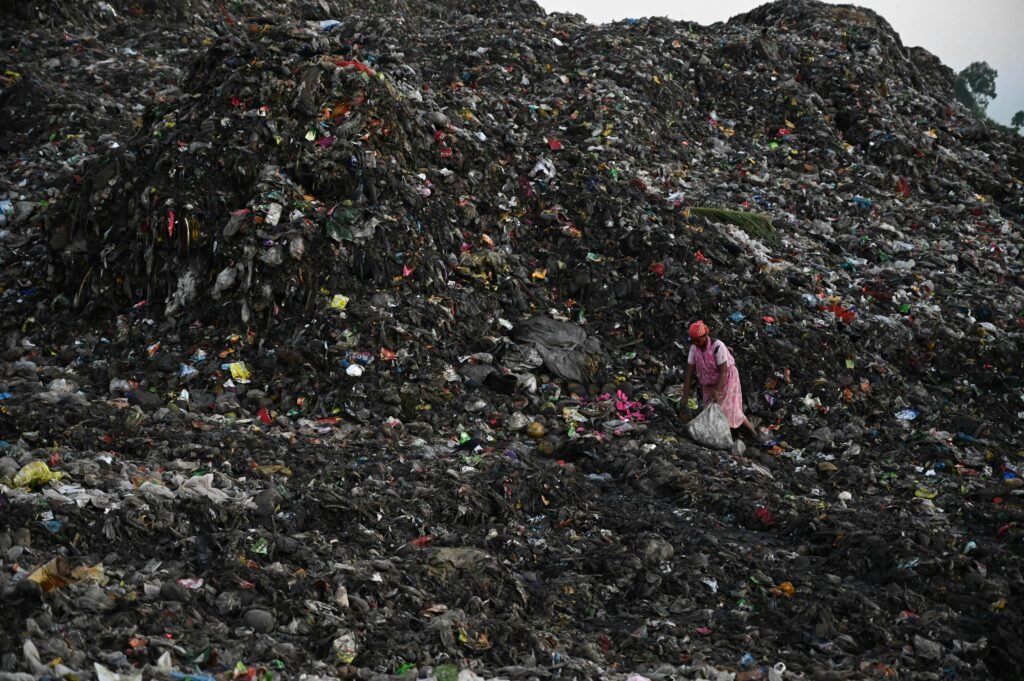
An example of what NOT to let happen on set! Accidents cost big bucks—be prepared.
To put it bluntly:
- If someone sues your production company for negligence, it’s game over unless you have general liability insurance.
- Your gear is worth tens (if not hundreds) of thousands of dollars—if stolen or damaged, replacement costs will crush you sans coverage.
- Third-party locations used for shooting often require proof of insurance before allowing access.
Optimist You:
“I’ve got talent and passion—I’ll figure out the rest later!”
Grumpy You:
*snorts* “Sure, buddy, and I assume you’ve saved up enough cash to pay out $50k+ settlements too? Thought so.”*
How to Choose the Right Insurance Policy
Picking the perfect film production insurance plan doesn’t need to feel like picking stocks blindfolded. Here are some steps to simplify the process:
1. Assess Your Needs
Do you shoot indie films or major blockbusters? Work indoors or outdoors? Use actors or animatronics? Different projects demand different levels of protection.
2. Understand Types of Coverage
The two most common types include:
- General Liability Insurance: Covers bodily injury, property damage, and advertising injury claims.
- Equipment Insurance: Protects cameras, lights, drones, and other pricey tools from theft/damage.
3. Compare Quotes
Get quotes from multiple insurers who specialize in entertainment industries. Don’t just opt for the cheapest option—check reviews and reputation.
Best Practices for Managing Liability Risks
Even with insurance, prevention beats cure. Follow these golden rules:
- Hire Experienced Crew: Skilled professionals reduce accidents significantly.
- Create Safety Protocols: Write clear guidelines for handling hazardous materials, setting up equipment, etc.
- Document Everything: Maintain logs of inspections, incidents, and communications with location owners.
Case Studies: When Insurance Saved the Day
Consider Alex, an indie filmmaker whose drone crashed mid-flight, destroying itself and damaging a bystander’s car window. Thanks to comprehensive equipment and general liability insurance, repairs were fully covered, sparing him bankruptcy.
Alex learned firsthand why skipping insurance = bad idea.
Frequently Asked Questions
Q: Isn’t standard business insurance enough for my film productions?
Nope—standard packages rarely account for the unique challenges faced by filmmakers. Specialized insurance fills those gaps.
Q: How much does film production insurance typically cost?
It varies widely based on factors like budget size, duration of coverage, and specific needs—but prices usually range from $600–$5,000 annually.
Q: What happens if my insurer denies a claim?
Fight back with documentation proving negligence wasn’t involved. If unsuccessful, consult a lawyer specializing in contractual agreements within the film sector.
Conclusion
Remember friends, ignoring liability risk is like playing Russian roulette at a poker table—eventually, Lady Luck turns her back. By understanding the importance of film production insurance and implementing best practices, you safeguard both your creativity AND finances.
So grab that cuppa coffee while we wrap up today’s lesson:
Camera rolls, scenes unfold,
Insurance shields us bold.
Don’t skip coverage—learn and grow,
Or face bills as foes!
Cheers to protecting your art while keeping lawyers at bay. Stay insured, stay awesome!