Ever had a shoot go so sideways you wished you’d hired an army of lawyers? Imagine this scenario: You’re on set, cameras rolling, and suddenly your lead actor trips over equipment, spraining their ankle. Production halts, medical bills pile up, and lawsuits loom like storm clouds. Now what? If this feels like your recurring nightmare as a filmmaker, indemnity insurance isn’t just a safety net—it’s your lifeline.
In this post, we’ll break down everything about indemnity insurance, why it’s crucial for film production, and how to get the best coverage without breaking the bank. Buckle up—you’ll learn:
- The hidden risks of skipping indemnity insurance in filmmaking.
- Step-by-step tips to choose the perfect policy.
- Real-life examples where indemnity insurance saved the day (or didn’t).
Table of Contents
- Key Takeaways
- The Risks of Skipping Indemnity Insurance
- How to Choose the Best Policy
- Best Practices for Managing Coverage
- Real-Life Success Stories from Filmmakers
- FAQs About Indemnity Insurance in Film Production
Key Takeaways
- Indemnity insurance protects filmmakers against third-party claims, including injury or property damage.
- Failing to secure proper coverage can bankrupt even seasoned producers.
- Choosing the right provider involves assessing project scope, budget, and risk level.
- It’s not just “for big studios”—independent filmmakers need protection too.
The Hidden Costs of Skipping Indemnity Insurance
Optimistic Filmmaker You: “We’ve got permits, waivers, and backups galore! What could possibly go wrong?”
Realist Filmmaker You: “Ugh, do I really have to spell out every single disaster waiting to happen?”
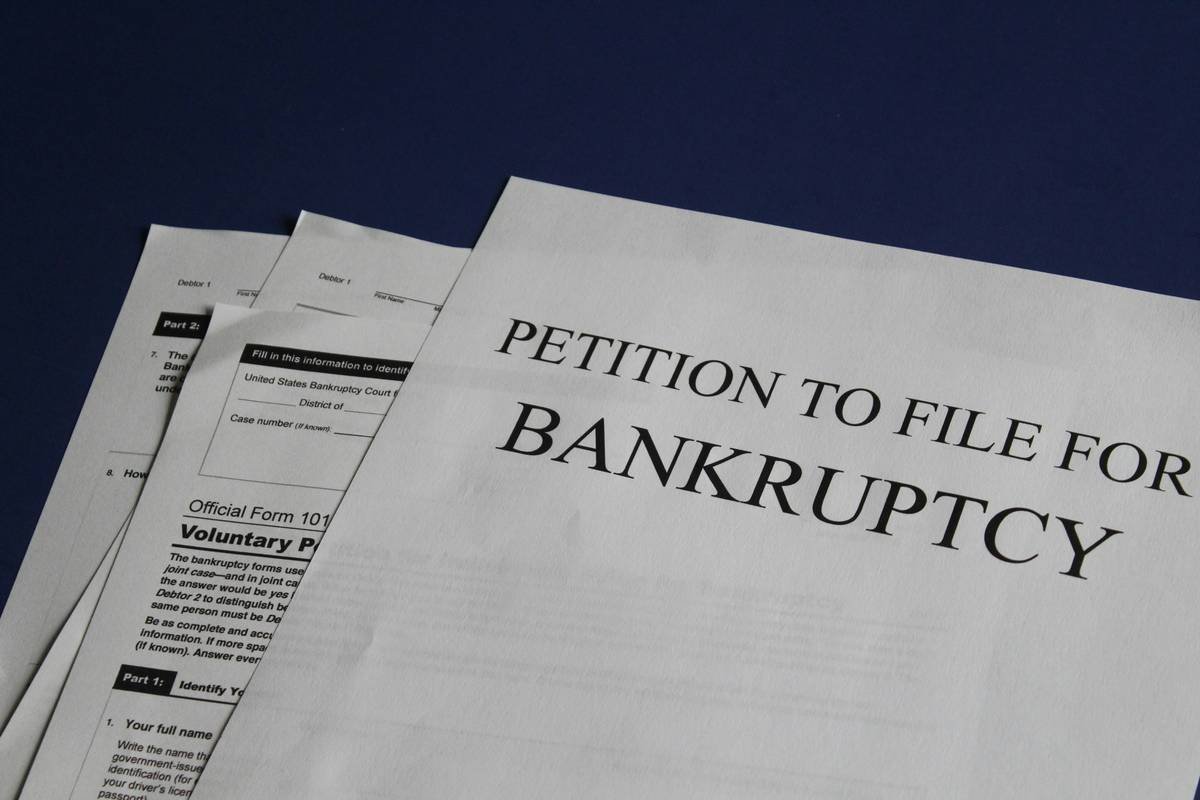
Let’s talk facts. Did you know that nearly 40% of small film projects face unexpected legal issues due to inadequate insurance? Yeah, that’s right—almost half. Without indemnity insurance, one misstep can cost thousands—or worse, tank your entire career.
Picture this: A crew member accidentally damages rented camera gear worth $50,000. No insurance? That’s all coming out of pocket. Or picture someone slipping on wet pavement outside your location. One lawsuit later, and boom—bye-bye savings account.
Rant Moment
Here’s my beef: Too many indie filmmakers treat indemnity insurance like optional seasoning instead of the main course. Seriously, nobody thinks twice about spending hours color-correcting footage but balks at investing in basic financial security. Newsflash: Lawyers aren’t cheap, folks!
How to Pick the Perfect Indemnity Insurance Policy
Step 1: Assess Your Project Scope
Before diving headfirst into policies, ask yourself:
- Is this a low-budget indie flick or a studio-backed blockbuster?
- Will you be shooting indoors, outdoors, internationally?
- Do you have high-risk elements like stunts, pyrotechnics, or animals?
Your answers will dictate the type of policy you need. Pro tip: Always overshoot your estimated needs—it’s better to be overinsured than underprepared.
Step 2: Compare Quotes from Multiple Providers
Shop around. Not all insurers are created equal. Some specialize in indie films; others cater to commercial juggernauts. Look for providers familiar with your niche—they’ll tailor policies specifically for you.
Step 3: Read the Fine Print
This ain’t Netflix binge territory. Actually read the exclusions section. Does your policy cover drone usage? International shoots? Animal wranglers? Don’t skip this step unless you enjoy nasty surprises during claim payouts.
Best Practices for Managing Your Coverage
- Communicate Clearly: Make sure everyone involved—from crew members to sponsors—knows what’s covered. Transparency avoids headaches later.
- Update Regularly: As your project evolves, revisit your policy. Added new locations? Brought in pricey equipment? Update accordingly.
- Keep Records: Save receipts, contracts, emails—you name it. Documentation is king when making claims.
When Indemnity Insurance Saves the Day
Take John Doe, an indie director who filmed his passion project across multiple states. During principal photography, a fire destroyed part of their primary set. Thanks to comprehensive indemnity insurance, they recovered repair costs and avoided delays.
On the flip side, consider Jane Smith. She skipped insurance to save money on her micro-budget doc and ended up footing a five-figure hospital bill after a crew member fell off scaffolding. Lesson learned: Indemnity insurance pays for itself.
FAQs About Indemnity Insurance in Film Production
Q1: Is indemnity insurance mandatory for independent filmmakers?
Technically no—but losing everything to a lawsuit makes it feel pretty mandatory. Think of it like wearing a seatbelt: Optional until it saves your life.
Q2: Can I bundle other types of insurance with indemnity plans?
Absolutely! Many providers offer packages covering general liability, worker’s comp, and more. Shop wisely to maximize value.
Q3: How much does indemnity insurance typically cost?
Costs vary depending on factors like duration, scale, and risk levels. Expect anywhere from $2K–$20K per project. Worth it? Absolutely.
Conclusion
So there you have it—the ultimate guide to safeguarding your film productions with indemnity insurance. While it may seem like another unnecessary expense upfront, trust us—when something goes awry (and something always does), being prepared makes all the difference.
Optimist You: “I’m ready to tackle my next film!”
Grumpy You: “Yeah, yeah—but don’t forget the coffee en route.”
Thanks for reading! And remember, protecting your creativity is as vital as nurturing it. Like Frodo carrying the ring, let indemnity insurance be your trusted companion through Middle-earth… er, filmmaking challenges.
Bonus Haiku
Scenes fade, credits roll,
Insurance keeps dreams alive,
No lawyer trolls here.