Ever scouted a dreamy location only to discover it requires more permits than your entire budget allows? Yeah, us too. And that’s why mastering Location Scouting is the secret weapon every indie filmmaker needs—especially when insuring your project.
In this post, we’ll dive into why Location Scouting isn’t just about pretty backdrops but also directly impacts your film production insurance costs (yes, really). You’ll learn:
- The hidden risks of skipping proper location vetting
- A step-by-step guide to nailing down perfect—and insured—locations
- Tips Hollywood pros swear by but rarely share
- Real-life examples from films that got it right (and wrong)
Table of Contents
- Key Takeaways
- The Problem: Why Location Matters Beyond Beauty
- Step-by-Step Guide to Effective Location Scouting
- Tips and Best Practices
- Examples That Prove It Works
- FAQs About Location Scouting and Film Insurance
- Conclusion
Key Takeaways
- Location scouting can drastically reduce your film production insurance premiums if done correctly.
- Rushed decisions often lead to costly re-shoots or legal trouble—plan ahead!
- Safety hazards at poorly-scouted sites might not be covered under standard insurance policies.
The Problem: Why Location Matters Beyond Beauty
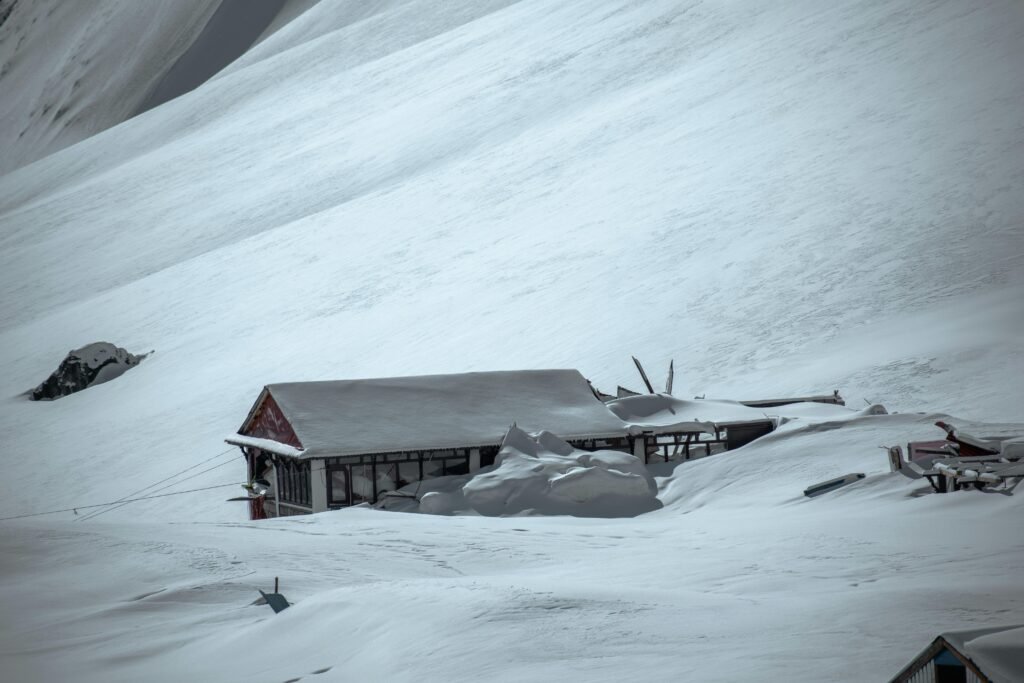
Picture this: you find an abandoned warehouse dripping with cinematic grit. Perfect for your gritty drama, right? Wrong. One week later, you’re hit with permit fines and realize the roof leaks—a liability nightmare uncovered during filming.
Here’s the brutal truth:
“Optimist You: ‘What could go wrong?’
Grumpy Me: *‘Plenty, buddy.* Start reading those insurance policies.’”
Abandoned locations may seem cheap—but they come with expensive consequences.
Insurance companies care deeply about location because it affects risk factors. If your set burns down due to faulty wiring in a space you didn’t inspect well, guess who pays? Yup, YOU. A solid location scouting process ensures your chosen spots meet both creative AND practical requirements.
Step-by-Step Guide to Effective Location Scouting
Step 1: Define Your Needs
Before visiting potential spots, jot down what you need based on your script. Ask:
- Does the scene require interior or exterior shots?
- How large does the space need to be?
- Are there unique environmental features required (e.g., water access)?
Step 2: Conduct Preliminary Research Online
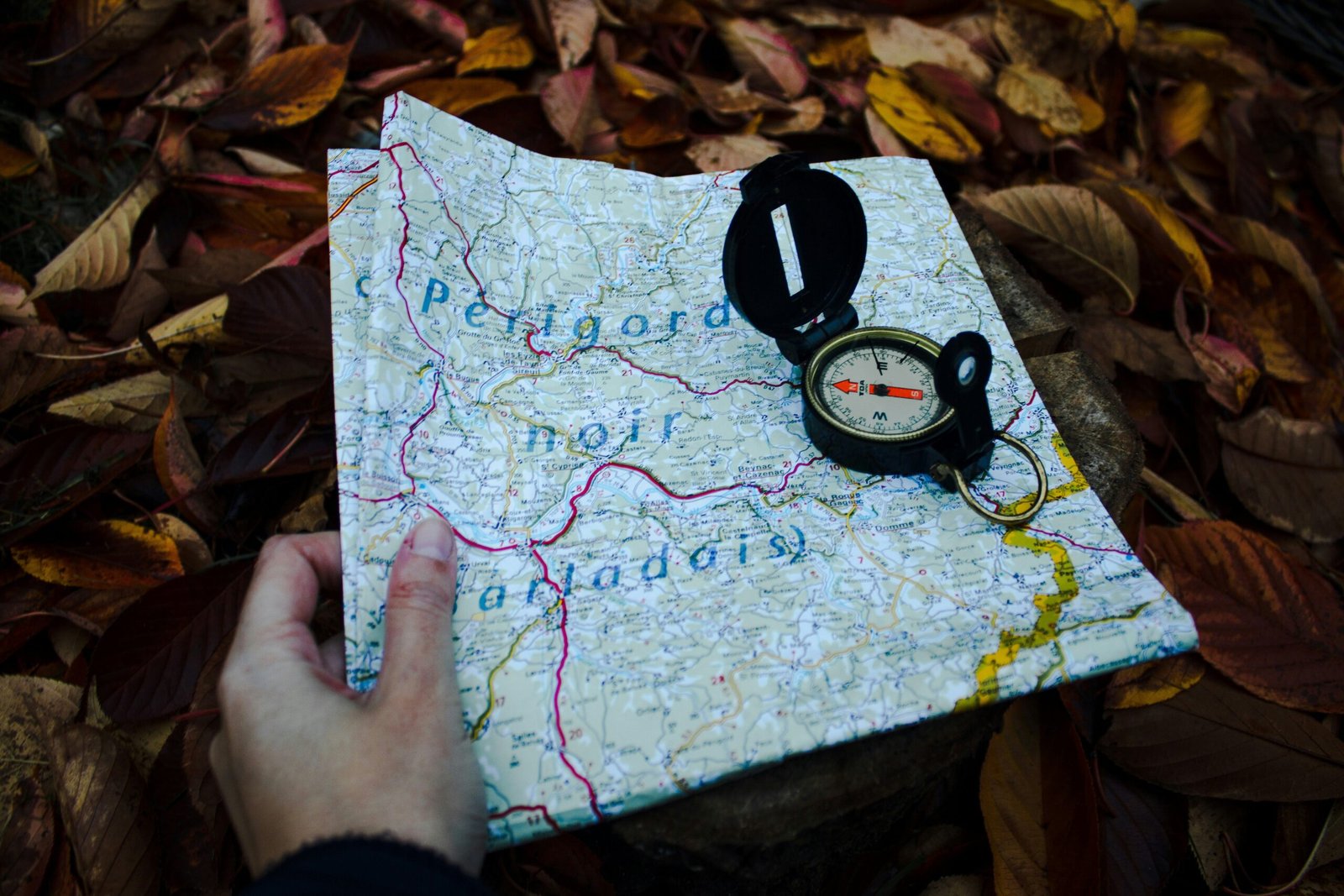
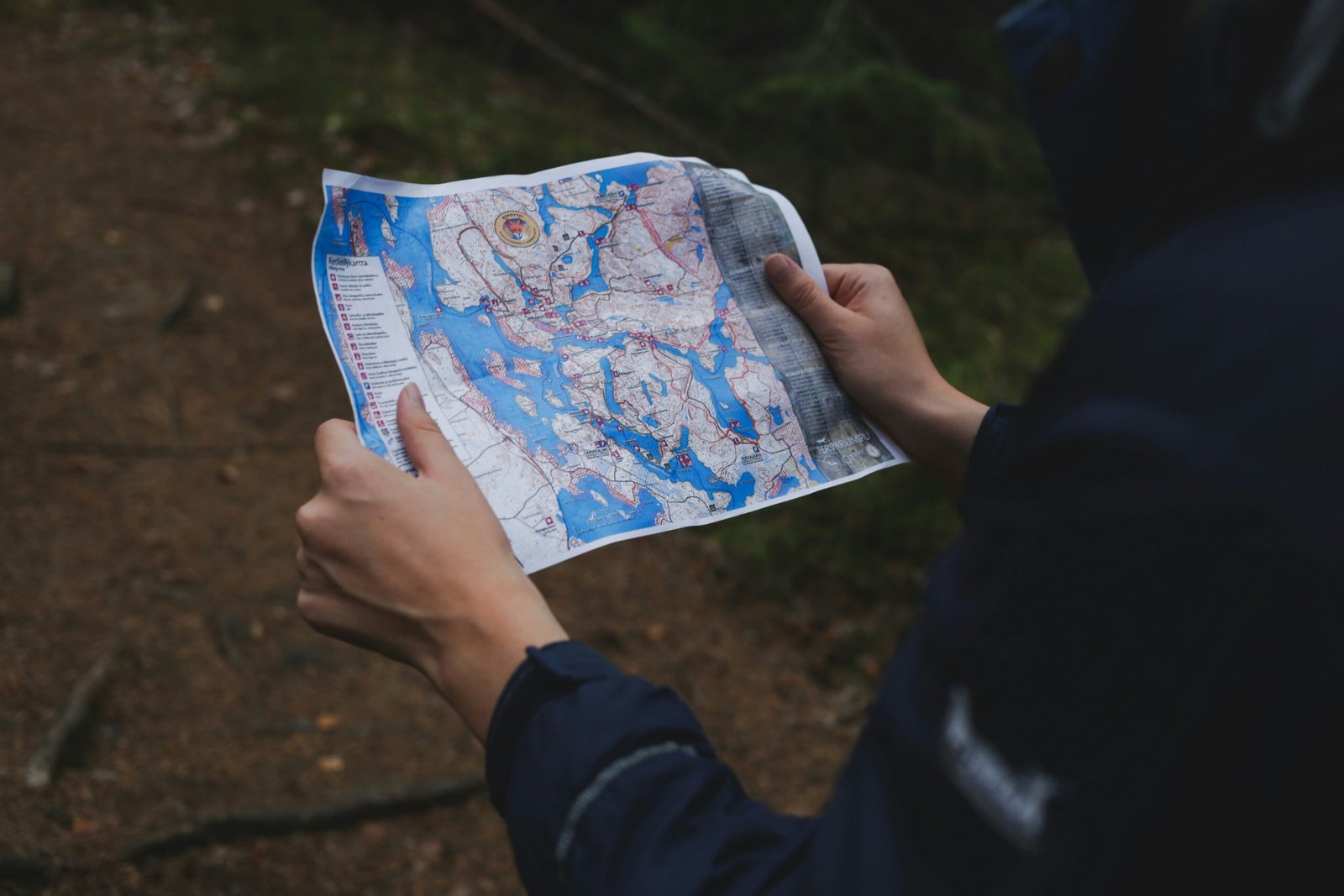
Fancy tech aside, start with Google Maps. Seriously, don’t skip this step—it helps narrow options without wasting time driving around aimlessly.
Step 3: Visit Potential Sites With Insurance in Mind
Bring a checklist. Inspect everything:
- Proximity to fire exits and medical facilities.
- Electrical setup (do NOT rely on extension cords).
- Access restrictions (parking for trucks? Disabled access?).

Your pre-scouting checklist is your best friend.
Step 4: Negotiate Permits Early
Permit delays kill productions faster than bad actors. Secure permissions ASAP; otherwise, even minor hiccups can snowball into disasters.
Step 5: Partner With Local Authorities
Sometimes, local councils offer resources or reduced rates on permits if approached early enough. Networking counts as much as creativity here.
Tips and Best Practices
Let’s cut the fluff. These are the golden nuggets:
- Always hire a local fixer. They know the area, shortcuts, and red tape better than anyone.
- Avoid terrible advice: Yes, someone once told me to “wing it” while scouting abroad. Unsurprisingly, I ended up spending double our original budget. Lesson learned.
- Document EVERYTHING. Photos, notes, sketches—they all matter when filing insurance claims later.
Rant Break:
Why do people think drone footage solves everything?! Drones crash, batteries die, and oh yeah—they still need permission to fly over private property. Ugh.
Examples That Prove It Works
Case Study: Indie Darling Gets It Right
The indie flick “Sunny Skies” nailed their beachside shoot thanks to meticulous planning. Their team spent weeks researching tide patterns and ensuring lifeguard proximity before locking in permits. Result? Zero accidents, zero penalties, smooth sailing.
When It All Goes Wrong (And Expensive)
Conversely, consider “City Chaos,” a featurette that ignored proper scouting. They opted for a rooftop without realizing structural weaknesses led to partial collapse mid-filming. Cue lawsuits, skyrocketing insurance rates, and months of reshoots.

This happens more often than filmmakers admit.
FAQs About Location Scouting and Film Insurance
Q: Can I scout solo or should I bring my crew?
A: Solo first, then revisit with key team members for final approval.
Q: Does insurance cover natural disasters?
A: Depends on policy specifics. Most require extra coverage for events like floods or earthquakes.
Q: How far in advance should I start scouting?
A: At least 6 months prior. Rush jobs increase stress and costs exponentially.
Conclusion
So, let’s recap:
- Effective Location Scouting saves money, minimizes risks, and keeps insurers happy.
- Skipping steps leads to chaos—literally and figuratively.
- Plan meticulously, stay organized, and always prioritize safety.
Now grab your camera, channel your inner Spielberg, and remember:
Shutter clicks,
Scout with care,
Dreams within reach.